Tag: dyslexia
-
Unlocking the Potential: Supporting Neurodivergent Individuals through Sensory Processing Differences

Sensory processing differences in neurodivergent individuals Neurodiversity refers to the concept that neurological differences, such as autism, ADHD, and dyslexia, are natural variations of the human brain rather than deficits or disorders. These differences can impact various aspects of daily life, including sensory processing. Sensory processing is the way our nervous system receives and responds…
-
Unlocking Potential: Assistive Technology Empowers Neurodiverse Learners to Succeed
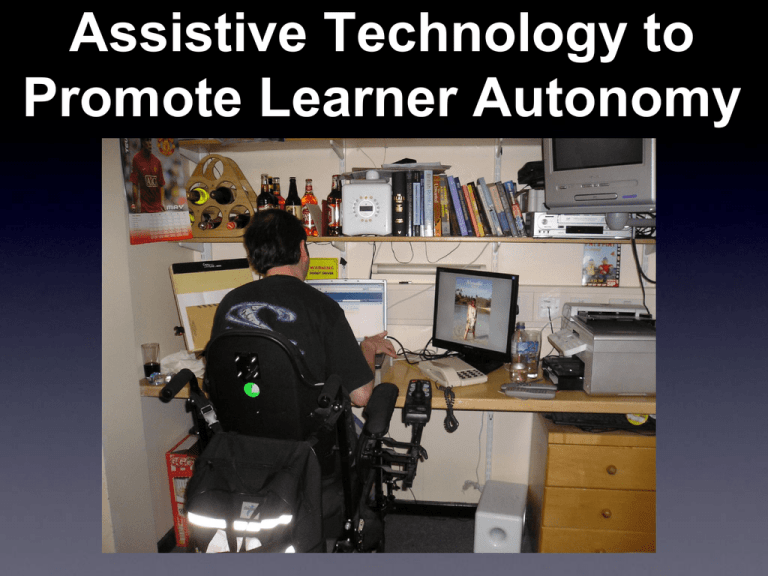
Assistive Technology for Neurodiverse Learners: Unlocking Potential and Empowering Success In today’s diverse educational landscape, it is crucial to recognize and support the unique learning needs of neurodiverse students. Neurodiversity refers to the natural variations in how individuals perceive, process, and learn information. It encompasses conditions such as autism spectrum disorder, attention deficit hyperactivity disorder…
-
Embracing Differences and Unlocking Potential: Thriving with Dyslexia
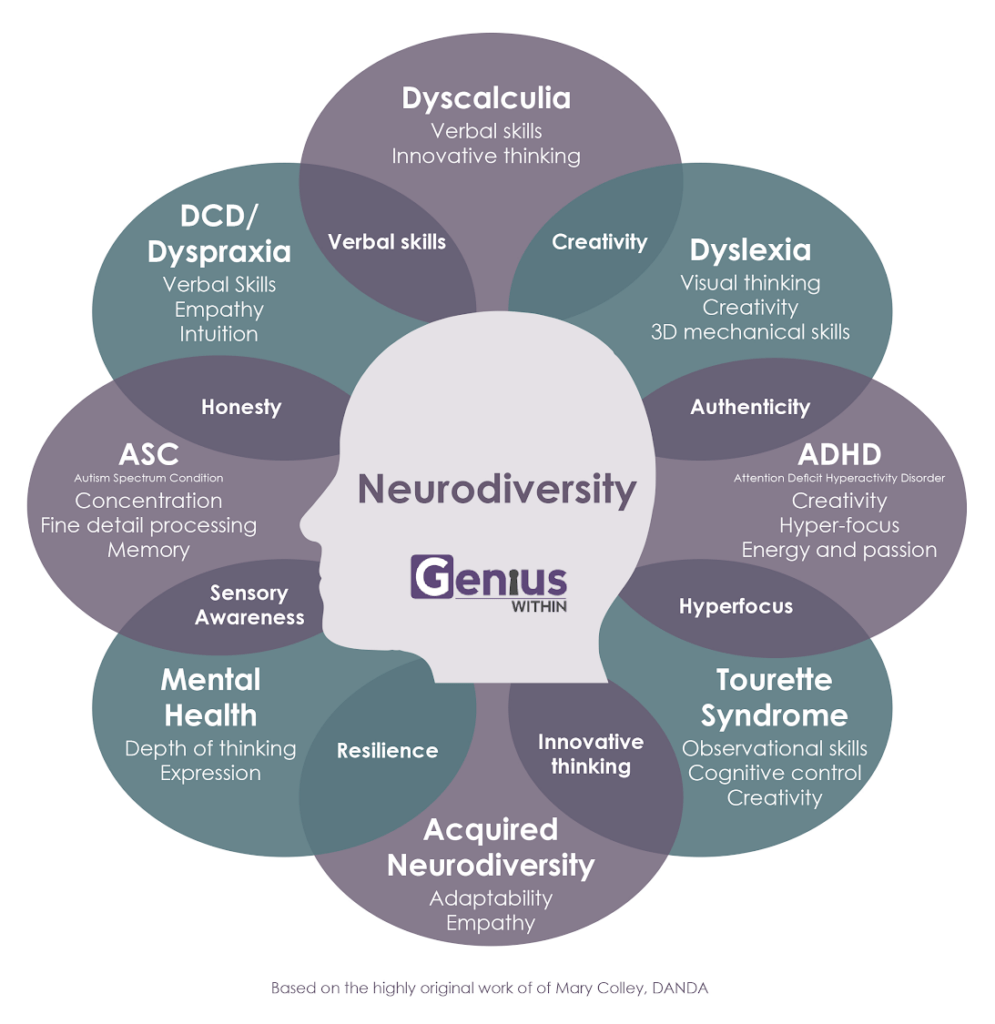
Dyslexia: Embracing Differences and Unlocking Potential In a world that often values conformity and standardized measures of success, it can be challenging for individuals who think differently to find their place. Dyslexia, a learning difference that affects reading, writing, spelling, and sometimes even speech, is one such condition that can make traditional education systems seem…
-
Empowering Voices and Ensuring Success: Self-Advocacy for Neurodiverse Individuals
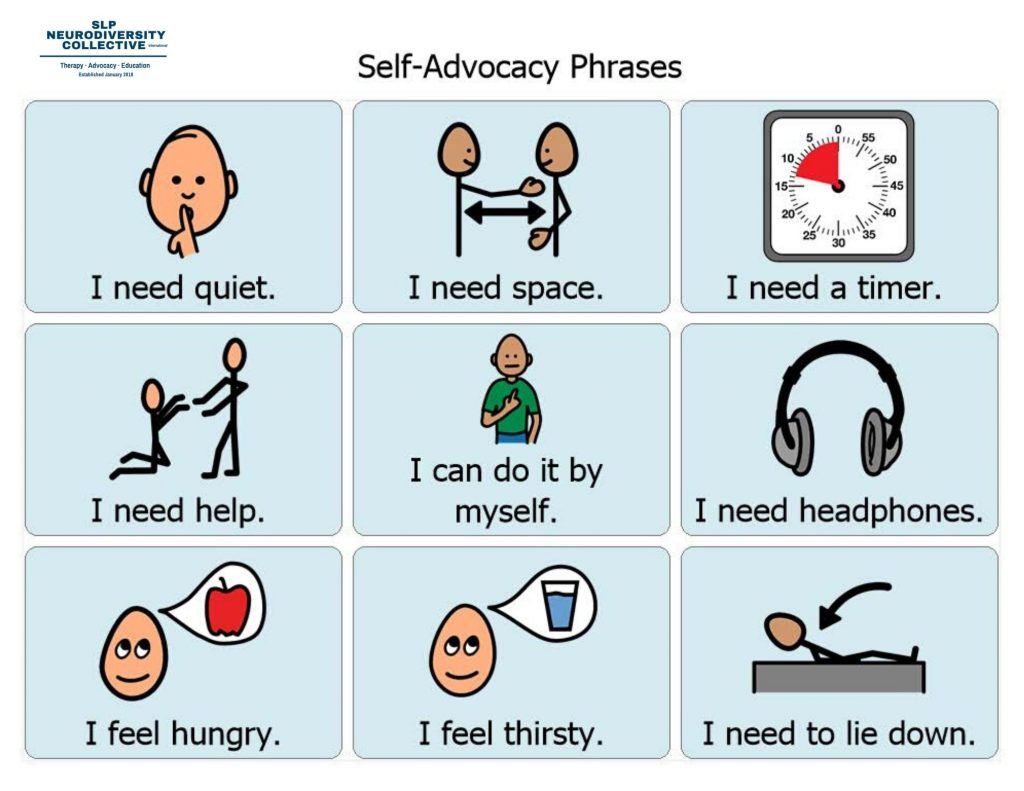
Self-Advocacy for Neurodiverse Individuals: Empowering Voices and Ensuring Success Introduction: In today’s society, it is crucial to empower individuals of all backgrounds and abilities to advocate for themselves. This is particularly true for neurodiverse individuals, who may have unique learning styles or neurological differences such as autism, ADHD, dyslexia, or other conditions. Self-advocacy is the…
-
Unlocking Potential: 8 Ways Alternative Education Supports Students with Dyslexia
Dyslexia is a learning disorder that affects the way people process language, particularly in reading and writing. It is estimated that around 10% of the global population has dyslexia to some degree. Individuals with dyslexia often face challenges in traditional education systems, but alternative schooling and education methods can provide effective strategies for overcoming these…
-
Keanu Reeves: An Unconventional Education
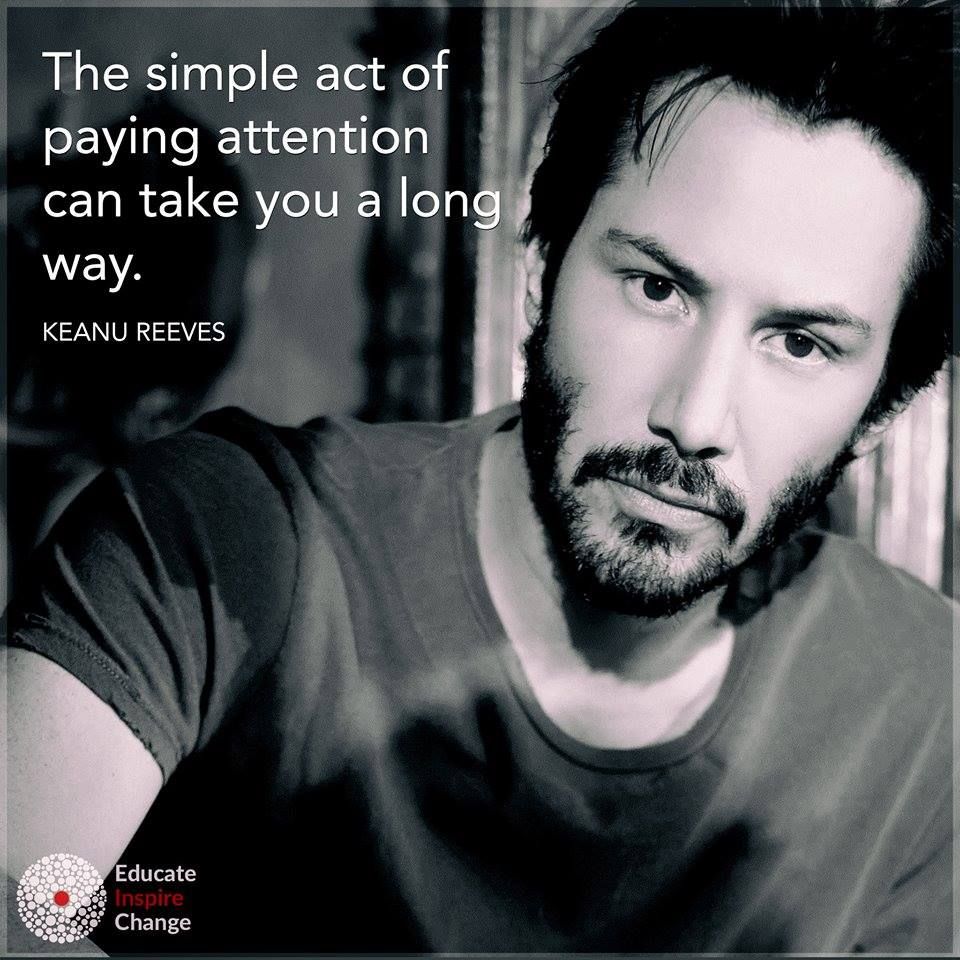
Keanu Reeves: An Unconventional Education In a world where traditional schooling and education are often seen as the only path to success, there are individuals who have defied this norm and achieved greatness through alternative means. One such individual is the renowned actor Keanu Reeves, whose journey in both life and career has been anything…
-
Embracing Neurodiversity: Creating Inclusive Schools for All Students
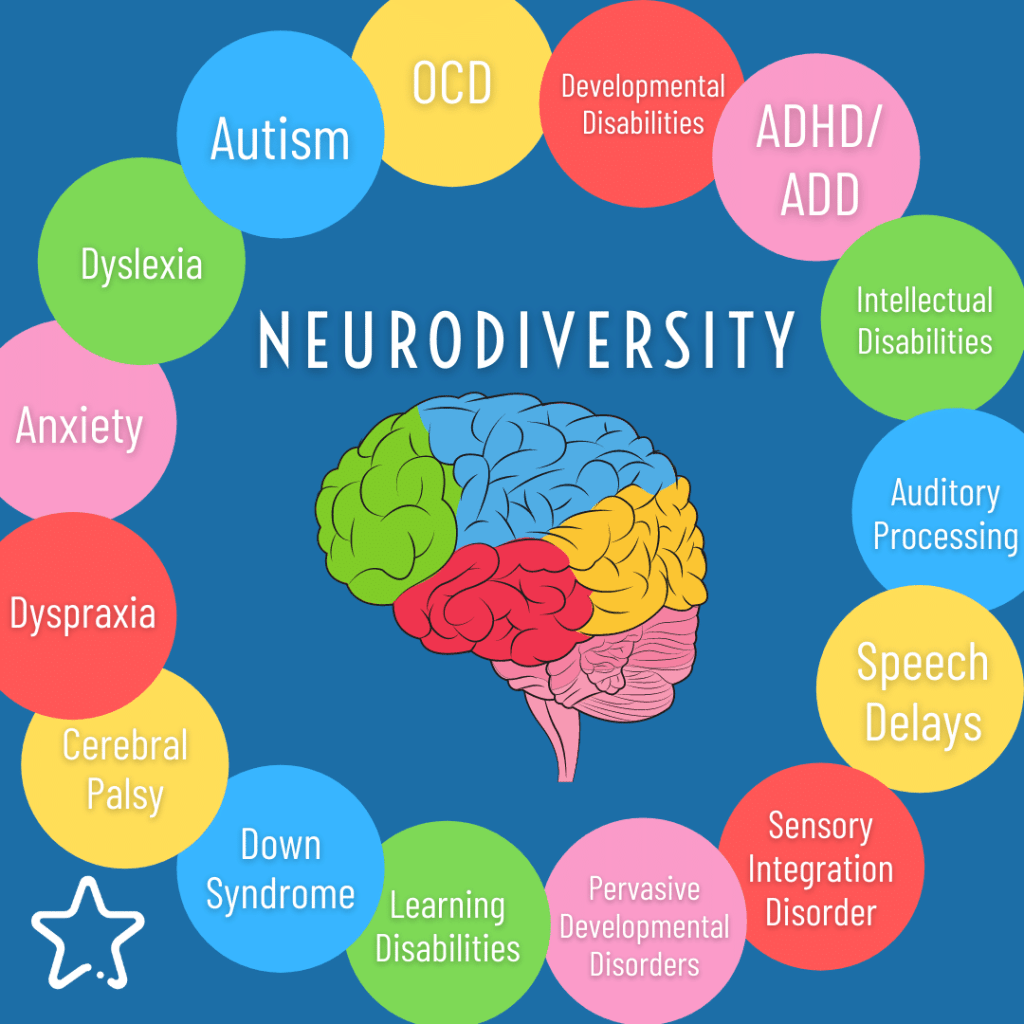
As we reflect on the evolution of education in recent years, one significant shift that deserves attention is the increased focus on neurodiversity and mental health support in schools. This progressive approach has been instrumental in creating inclusive learning environments where all students can thrive. Neurodiversity encompasses a range of neurological differences, including conditions such…
-
“Embracing Neurodiversity: Creating Inclusive Classrooms for All Students”
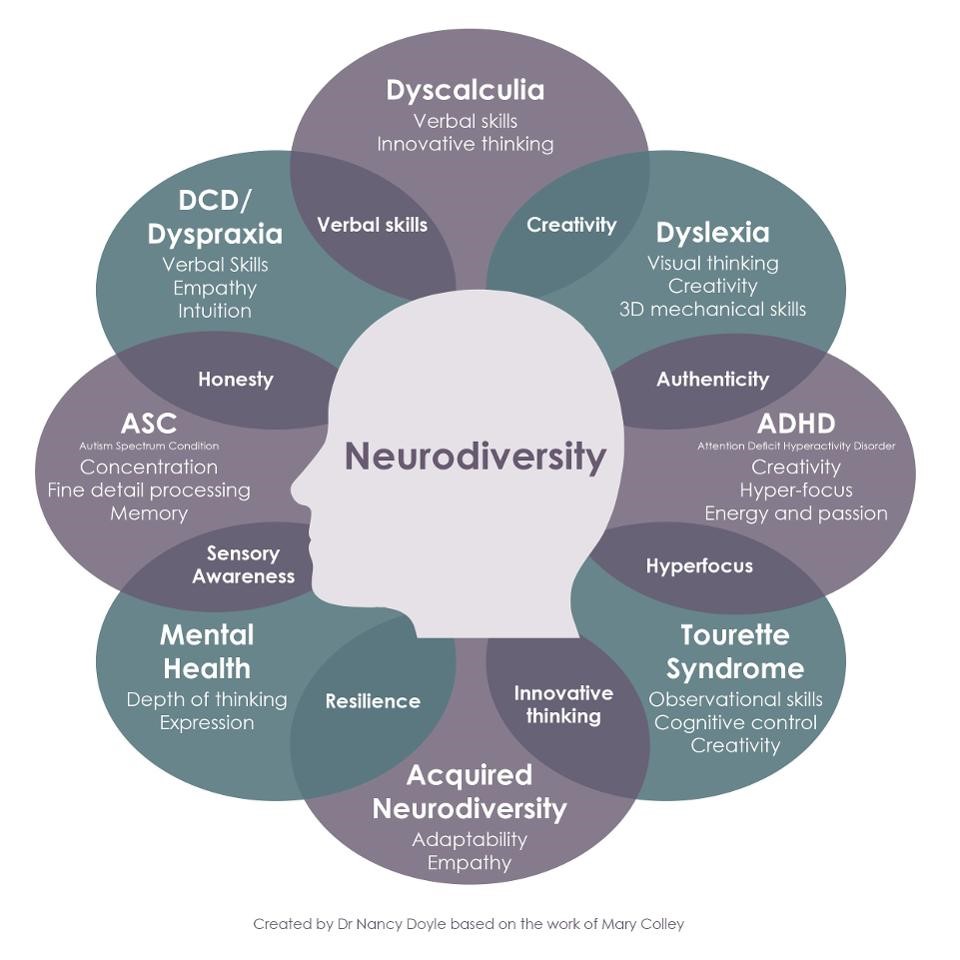
Neurodiversity in the Classroom: Embracing Differences and Promoting Inclusion In recent years, there has been an increasing recognition of the importance of neurodiversity in our classrooms. Neurodiversity refers to the idea that neurological differences, such as autism, ADHD, dyslexia, and other learning disabilities, are simply natural variations of the human brain rather than deficits or…
-
“Embracing Neurodiversity: From Urban Centers to Remote Landscapes, Inclusion Knows No Boundaries”
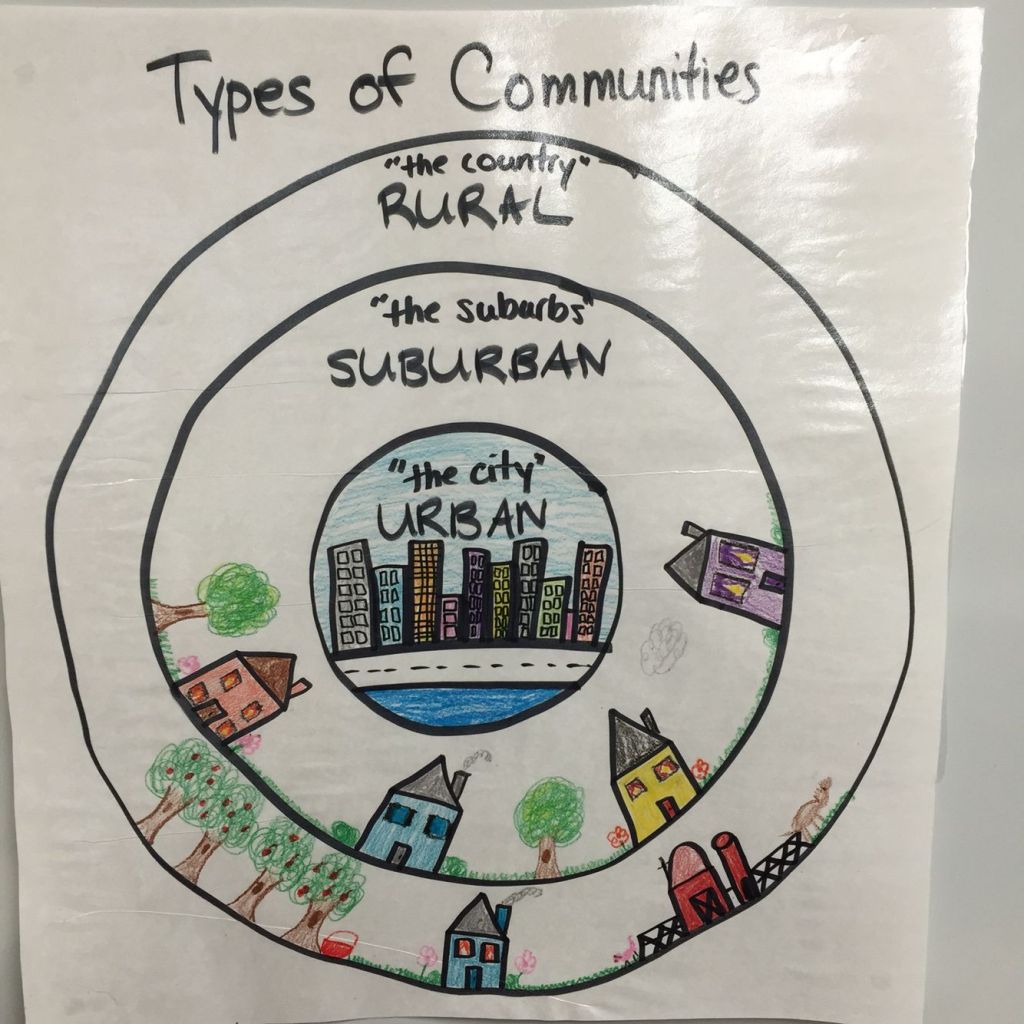
Neurodiversity in Different Environments Introduction: Neurodiversity refers to the natural variation in neurological conditions and brain functioning among individuals. It recognizes that neurodevelopmental disorders, such as autism spectrum disorder (ASD), attention deficit hyperactivity disorder (ADHD), dyslexia, and others, are simply different ways of being rather than deficits to be cured or fixed. This concept emphasizes…
-
Unlocking the Potential: Supporting Students with Dyslexia and Alternative Learning Styles

Understanding Dyslexia and How to Support Students with Alternative Learning Styles Introduction: Dyslexia is a learning difference that affects the way individuals process language. It is estimated that around 15-20% of people have dyslexia to some degree, making it one of the most common learning disorders. While dyslexia poses challenges in reading, writing, and spelling,…
 Alternative Amie