Tag: diversity and inclusion
-
“Unlocking the Power of Child-Centered Learning: The Reggio Emilia Approach”

The Reggio Emilia approach to education is renowned for its emphasis on child-centered learning and the recognition of children as capable, competent learners. This innovative educational philosophy originated in the town of Reggio Emilia, Italy, after World War II and has since gained international recognition for its unique principles and practices. One key aspect of…
-
Unlocking New Horizons: Apprenticeship Opportunities in Non-Traditional Industries
Apprenticeship Opportunities in Non-Traditional Industries In recent years, apprenticeships have gained significant recognition as an effective pathway to meaningful employment and career development. Traditionally associated with skilled trades such as construction and manufacturing, apprenticeships are now expanding into non-traditional industries, providing individuals with diverse opportunities for skill-building and professional growth. 1. Apprenticeships in Non-Traditional Industries:…
-
Unlocking Opportunities: Scholarships and Grants Empower Alternative Education

Scholarships and Grants: Opening Doors to Alternative Education Introduction: Education is the key that unlocks doors to a brighter future. It empowers individuals, enhances critical thinking, and enables personal growth. However, access to quality education can sometimes be limited due to financial constraints. Scholarships and grants have long been instrumental in bridging this gap by…
-
The Sudbury Model of Education: Fostering Social Justice and Empowering Students for Success

The Sudbury model of education has gained recognition for its unique approach to fostering social justice within a learning environment. By placing an emphasis on individual autonomy, self-directed learning, and democratic decision-making, Sudbury schools provide students with the tools they need to navigate the complexities of a diverse society. One key aspect of the Sudbury…
-
Investing for a Better World: Socially Responsible Investing (SRI) Leads the Way

Socially Responsible Investing (SRI): A Pathway to a Sustainable Future In today’s world, where issues like climate change, social inequality, and corporate misconduct dominate the headlines, individuals are becoming increasingly conscious of the impact their investments can have on society. As a result, Socially Responsible Investing (SRI) is gaining momentum as a powerful tool for…
-
Are Teacher-Led Learning Circles the Solution We’ve Been Looking For?

As the debate on effective teaching methods continues, teacher-led learning circles have emerged as a popular alternative to traditional classroom models. But are they really the solution we’ve been looking for? Let’s take a closer look. The concept of teacher-led learning circles is simple: teachers come together in a circle and lead discussions on topics…
-
Empowering Learners: Applying Paulo Freire’s Critical Pedagogy in Alternative Education
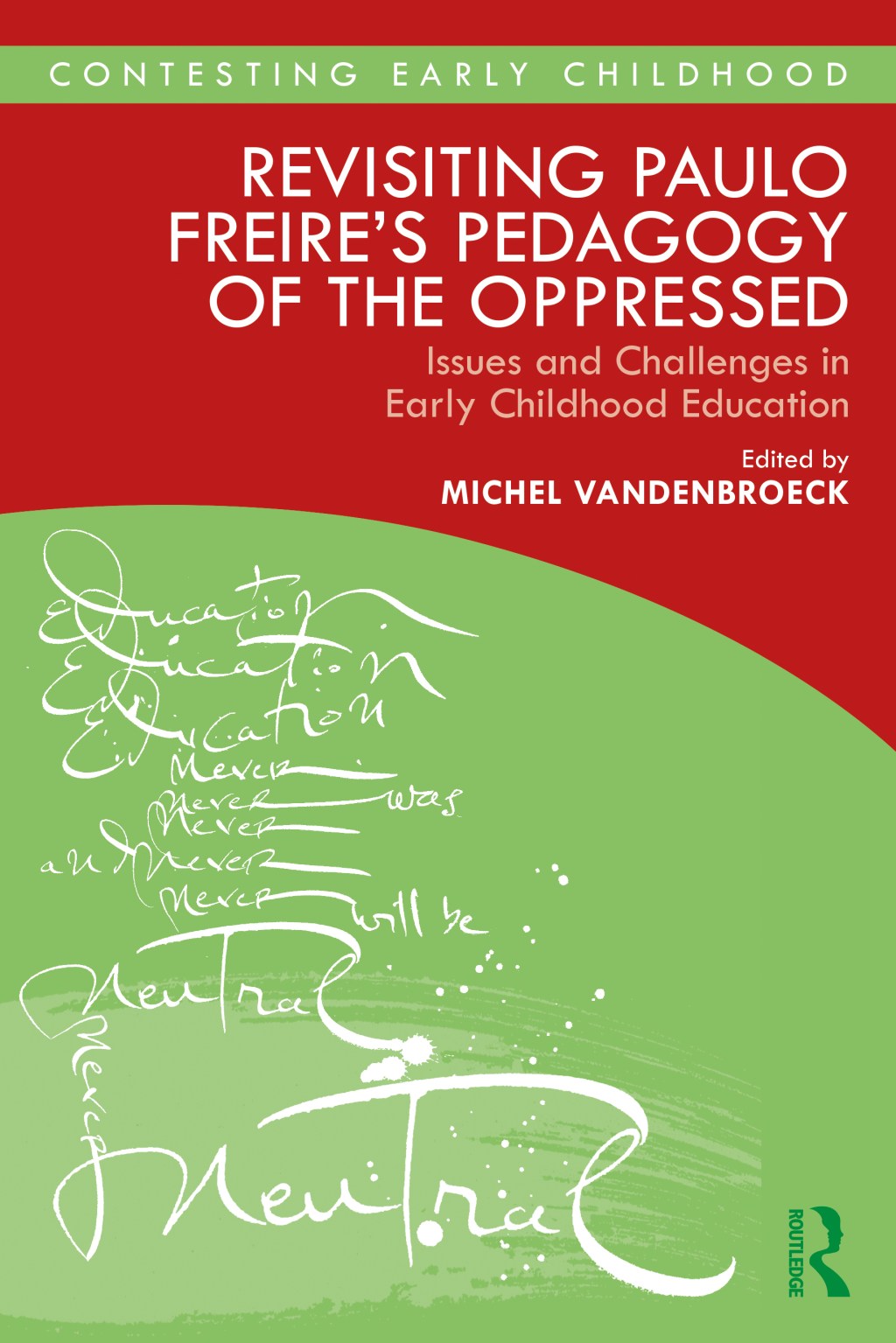
Paulo Freire was a Brazilian educator and philosopher who is widely known for his critical pedagogy approach to education. This approach emphasizes the importance of empowering students through critical thinking, dialogue, and reflection. In this post, we will explore the key principles of Freire’s critical pedagogy and discuss how they can be applied in alternative…
-
Mentorship: A Key Tool for Success in Alternative Education Programs

Mentorship has been proven to be an effective tool for promoting personal growth, development, and academic success in students. Alternative education programs often rely on mentorship relationships to help their students achieve their goals and succeed academically. One of the key benefits of mentorship in alternative education is that it provides students with a supportive…
-
10 Benefits of Prior Learning Assessment and Recognition (PLAR) for Adult Learners
Prior Learning Assessment and Recognition (PLAR) is a process of evaluating an individual’s prior learning experiences, knowledge, and skills to determine if they meet the requirements for academic credit or professional certification. It recognizes that learning can happen in various contexts and not just in traditional classrooms. Here are the top 10 benefits of Prior…
-
Breaking Down Barriers: The Many Faces of Apprenticeships

Women in Apprenticeships: For centuries, apprenticeships were only available to men. Women were not allowed to participate in these programs due to cultural and societal norms that dictated their roles should be limited to domestic duties. However, in recent years, there has been a push for more women to enter the trades through apprenticeship programs.…
 Alternative Amie