Tag: disabilities in education
-
Empowering Education: Unleashing the Power of Self-Directed Learning

Self-directed learning is a powerful educational approach that empowers students to take control of their own learning journey, fostering independence, critical thinking skills, and a lifelong love for learning. When applied in outdoor education, self-directed learning can enhance students’ connection with nature, promote experiential learning, and cultivate a sense of responsibility towards the environment. Incorporating…
-
Innovative Strategies Unveiled at Panel on Self-Paced Learning

Panel Discussion: Alternative Approaches to Self-Paced Learning Moderator: Welcome to our panel discussion on alternative approaches to self-paced learning. Today, we have a diverse group of experts who will share their insights and experiences on various aspects of self-directed education. Let’s dive right in! Role of Peer Feedback in Self-Paced Learning Panelist 1: Peer feedback…
-
Forest Schools: Nurturing Nature-Loving, Inclusive Learners
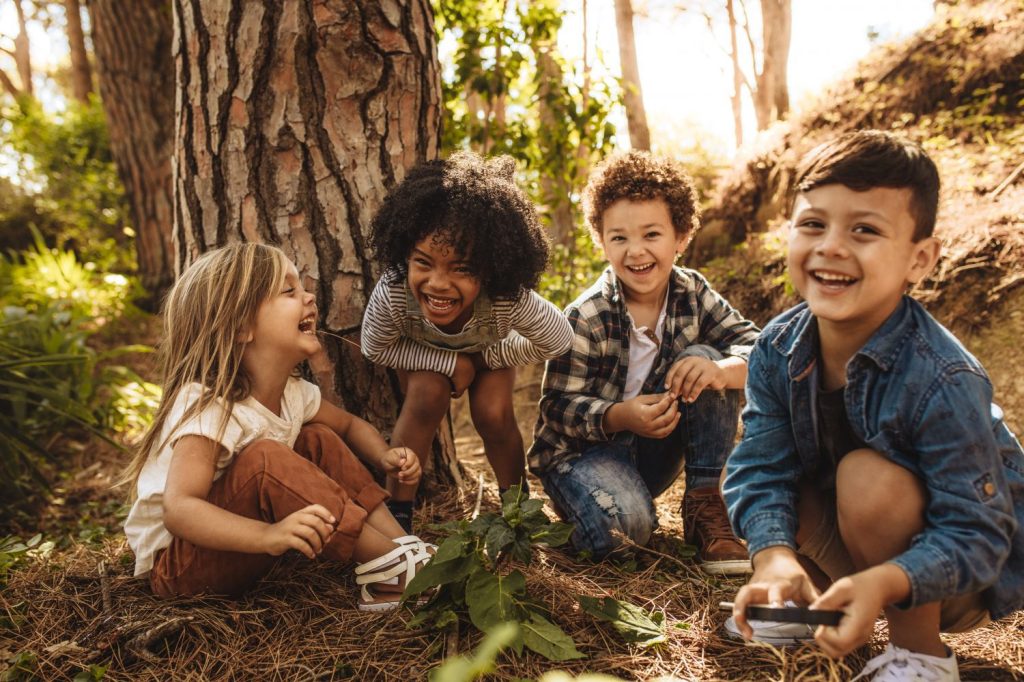
Forest schools have gained popularity in recent years as an alternative form of education that focuses on outdoor learning and connecting with nature. One particular area where forest schools have shown great promise is in catering to children with disabilities. These schools provide a unique environment where children with various physical, sensory, or cognitive disabilities…
-
Unlocking Student Potential: The Power of Narrative Assessments in Project-Based Learning

Narrative assessments in project-based learning offer a holistic approach to evaluating student understanding and engagement. By incorporating narratives into assessment practices, educators can gain valuable insights into students’ thought processes, problem-solving skills, and creativity. Narrative assessments provide a more comprehensive view of student progress compared to traditional tests or quizzes by capturing the depth of…
 Alternative Amie