Tag: differentiation
-
15 Reasons Why Rubrics Are Essential in Alternative Education Settings

Rubrics are an essential tool in the world of education, providing a clear and structured way to assess student work. They offer transparency, consistency, and fairness in evaluating student performance across various tasks and assignments. In alternative schooling and education settings, where traditional grading systems may not always align with the unique learning approaches used,…
-
Maximizing Learning Potential: The Power of Cluster Grouping for High-Achieving Students
Cluster grouping is a widely recognized and effective method of organizing students in educational settings to meet their diverse learning needs. This approach involves placing academically gifted or high-achieving students together in the same classroom or group, allowing them to work at an accelerated pace and delve deeper into challenging material. By clustering these students…
-
Unlocking Potential: The Power of Cluster Grouping for Gifted Students
Cluster grouping is a widely recognized and effective strategy in education that aims to meet the needs of gifted and talented students within mixed-ability classrooms. By grouping these advanced learners together, educators can provide more targeted instruction, challenging curriculum, and opportunities for social interaction with intellectual peers. In this article, we will explore the benefits…
-
Unleashing the Power of Rubrics in Alternative Education Settings
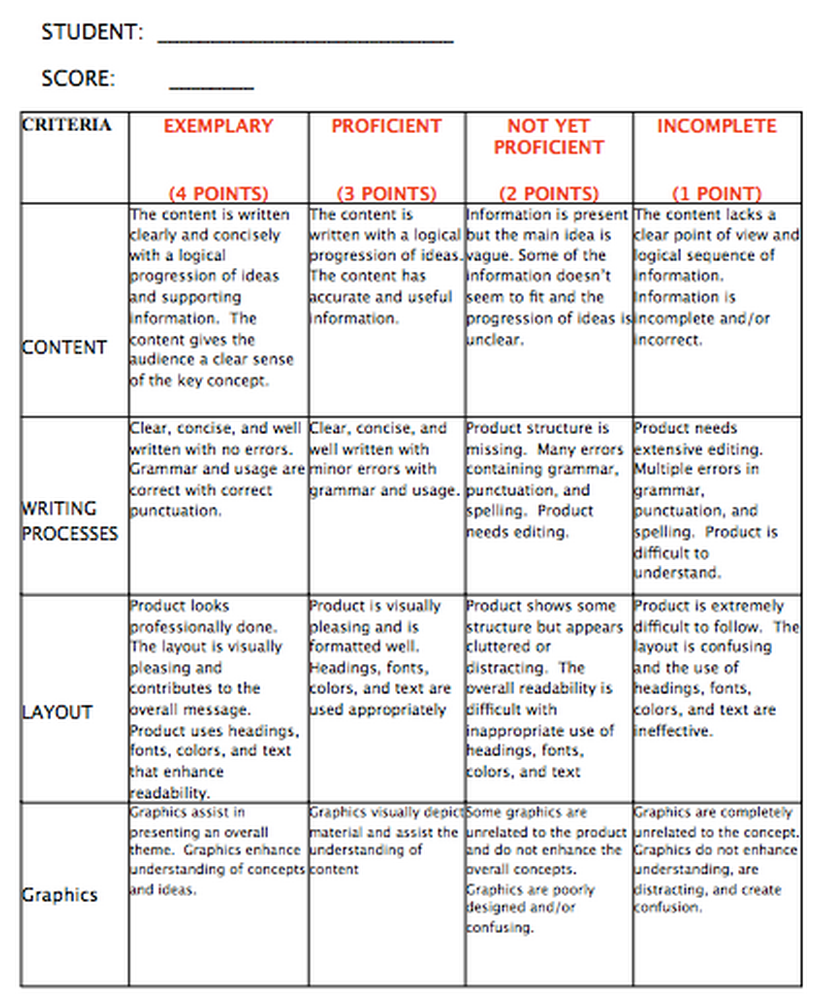
Rubrics are powerful tools used in education to assess student performance and provide clear expectations for assignments. They outline specific criteria and levels of achievement, making it easier for both students and teachers to understand what is expected and how their work will be evaluated. Rubrics can be beneficial in alternative schooling environments by providing…
-
“Unlocking Success: The Power of Sheltered Instruction in Diverse Classrooms”

Sheltered instruction is a method of teaching that aims to make content accessible to English language learners (ELLs) while also promoting their academic development. It provides support for students who are still developing proficiency in the English language by incorporating strategies that help them understand and engage with the material being taught. In recent years,…
-
Unlocking Potential: Accelerating Education for Enhanced Learning

Acceleration in Education: Unlocking Potential and Enhancing Learning In the traditional education system, students progress through the curriculum at a predetermined pace. However, this one-size-fits-all approach often fails to cater to the diverse needs and abilities of individual learners. To address this issue, alternative schooling methods have emerged that promote acceleration – an educational strategy…
-
Unleashing Potential: Harnessing Differentiation for Dynamic Portfolio Assessment

Differentiation in Portfolio Assessment Practices In the realm of alternative schooling and education, portfolio assessment has gained significant popularity as a powerful tool for evaluating student performance. Unlike traditional methods that rely solely on exams and standardized tests, portfolio assessment focuses on capturing a holistic view of students’ learning experiences and achievements over time. One…
-
“Unlocking Potential: Differentiating Instruction in IEPs for Student Success”
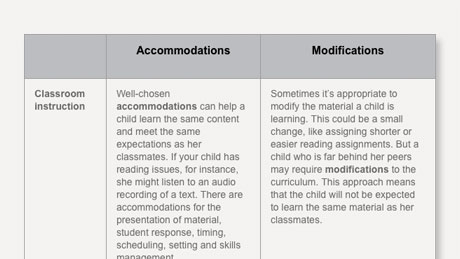
Differentiating Instruction in IEPs: Individualized Education Programs (IEPs) are designed to provide specialized support and accommodations for students with disabilities. One essential aspect of developing effective IEPs is differentiating instruction to meet the unique needs of each student. Differentiation involves tailoring instruction, content, and assessment to match a student’s abilities, learning style, and interests. In…
-
Navigating the Challenges of Multiage Classrooms: A Path to Inclusive Education

Challenges of Implementing Multiage Classrooms In recent years, there has been a growing interest in alternative approaches to education, and one such approach is the implementation of multiage classrooms. Multiage classrooms are composed of students from different age groups who learn together in the same classroom environment. This model challenges traditional grade-level structures and aims…
-
Unleashing the Power of Portfolios: A Comprehensive Approach to Assessing Student Learning

1. Authenticity in portfolio assessment: Authenticity is a crucial aspect of portfolio assessment as it ensures that students’ work reflects their true abilities and achievements. In traditional assessments, students often complete tasks or exams that don’t necessarily align with real-world experiences. However, portfolios allow students to showcase their skills and knowledge through authentic artifacts such…
 Alternative Amie