Tag: differentiated instruction
-
Revolutionizing Education: Personalized, Engaging, and Empowering Learning Experiences

In the realm of education, one size does not fit all. Traditional classroom settings may not always cater to the individual needs and learning styles of every student. This is where project-based learning, individualized curriculum, self-paced learning, and other innovative educational approaches come into play to offer a more personalized and engaging experience for learners.…
-
Empowering Education: Key Techniques for Differentiated Instruction
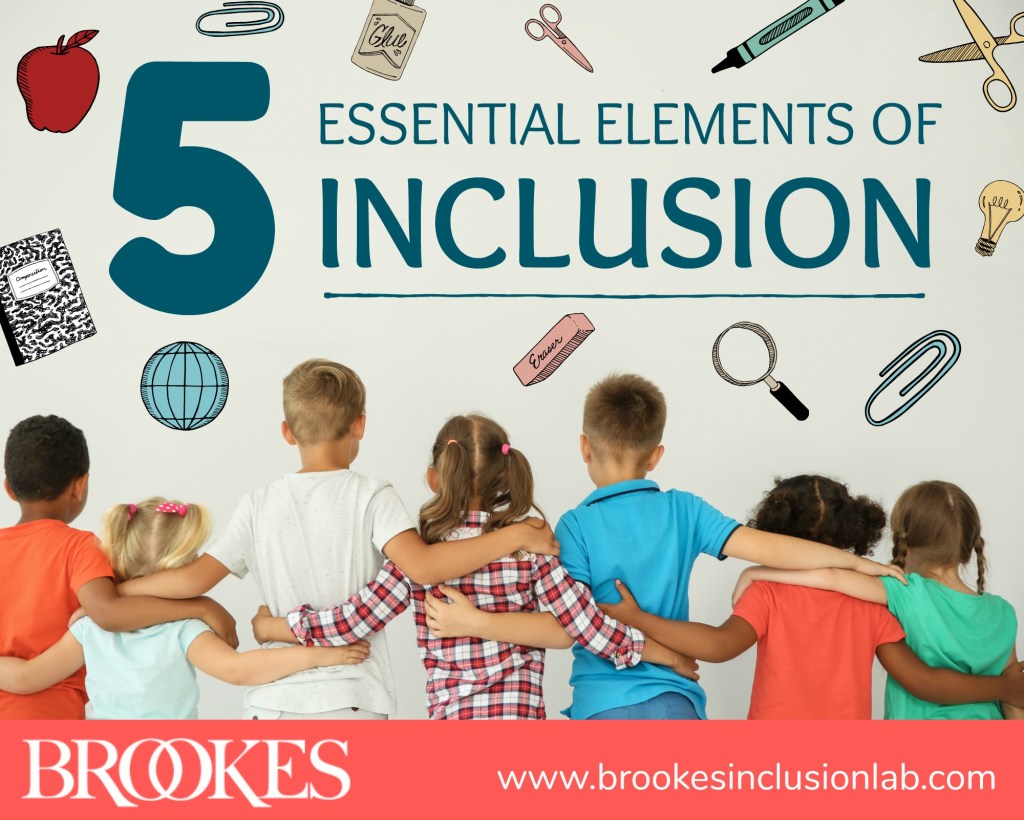
Differentiated instruction techniques are vital in creating an inclusive and effective learning environment that caters to the diverse needs of students. These strategies focus on recognizing individual strengths and weaknesses, allowing educators to tailor their teaching methods to better support each student’s learning style. Here are some key differentiated instruction techniques that can be implemented…
-
Empowering Diversity: The Vital Role of Assistive Technology in IEPs

Assistive technology plays a crucial role in Individualized Education Programs (IEPs) for students with diverse learning needs. By incorporating assistive technology into IEPs, educators can provide personalized support to help students access the curriculum and participate more fully in educational activities. Assistive technology can include devices such as tablets, speech-to-text software, communication boards, and sensory…
-
Boosting Engagement: The Power of Think-Pair-Share in Alternative Education
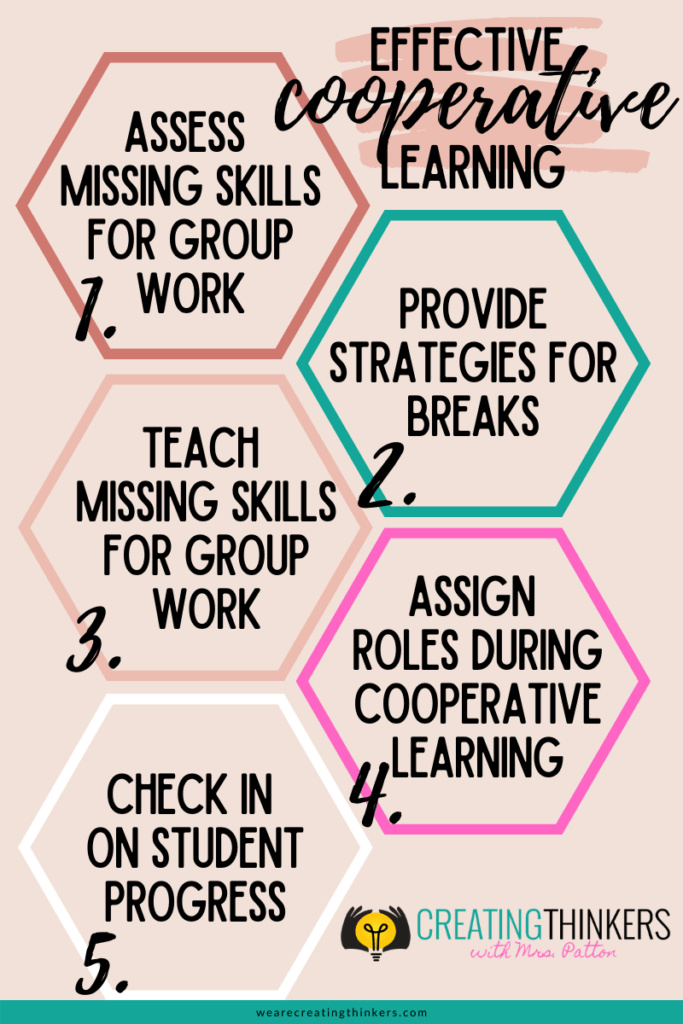
Think-pair-share is a widely-used teaching strategy that fosters active learning and student engagement in the classroom. Originally developed by social psychologist Frank Lyman and his colleagues in the 1980s, this collaborative learning technique has since gained popularity across various educational settings, including alternative schools. The think-pair-share strategy involves three main steps: thinking, pairing, and sharing.…
-
Empowering Education: Personalized Learning for Student Success
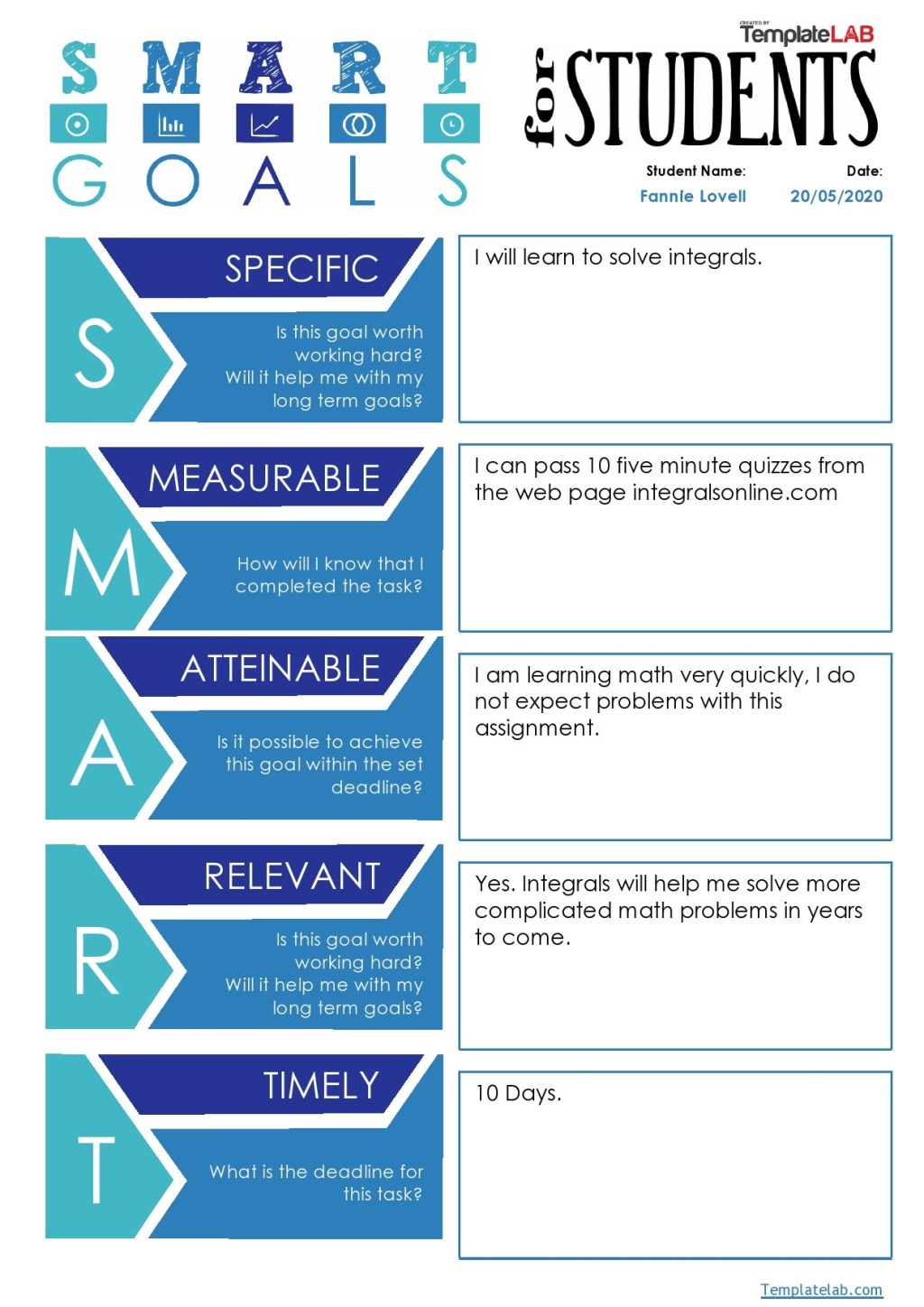
Personalized learning goals are a crucial component of effective education, allowing students to tailor their academic journey to their individual needs and interests. By setting personalized goals, students can take ownership of their learning and track their progress more effectively. This approach ensures that each student receives the support they need to succeed academically and…
-
“Empowering Students Through Personalized Education: A Comprehensive Approach to Success”

Individualized project-based learning is a powerful educational approach that places students at the center of their own learning journey. By engaging in projects that are tailored to their interests, abilities, and learning styles, students can develop critical thinking skills, creativity, and problem-solving abilities. This method allows for a more personalized and meaningful learning experience that…
-
Embracing Neurodiversity: Strategies for Inclusive Education Success
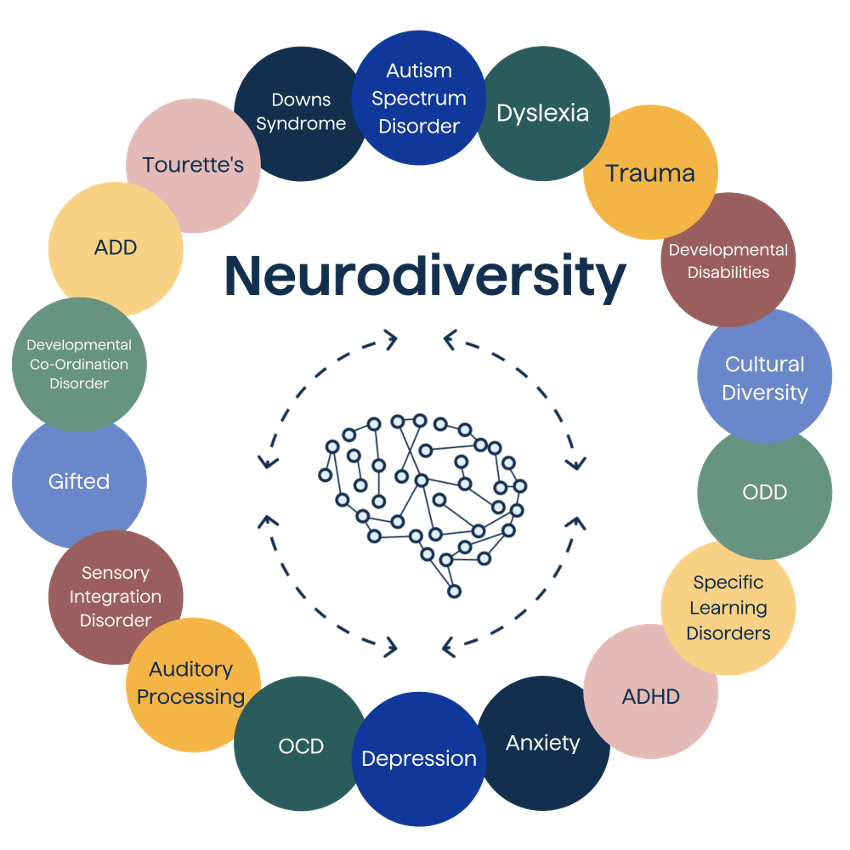
Neurodiversity is a concept that acknowledges and celebrates the unique neurological differences among individuals. In educational settings, neurodiversity encompasses a wide range of conditions, including sensory processing differences, executive functioning challenges, social communication difficulties, hyperfocus and special interests. Understanding and catering to the needs of neurodiverse students is crucial for creating inclusive learning environments where…
-
“Revolutionizing Education: Innovative Approaches for Student Success”

Project-based learning is an instructional approach that allows students to explore real-world problems and challenges. Through hands-on projects, students can apply their knowledge and skills to solve complex problems, work collaboratively with their peers, and engage in meaningful tasks that have a tangible impact on their communities. This approach helps students develop critical thinking, creativity,…
-
Unlocking the Power of Peer Mentorship: Benefits of Mixed-Age Groupings in Multiage Classrooms
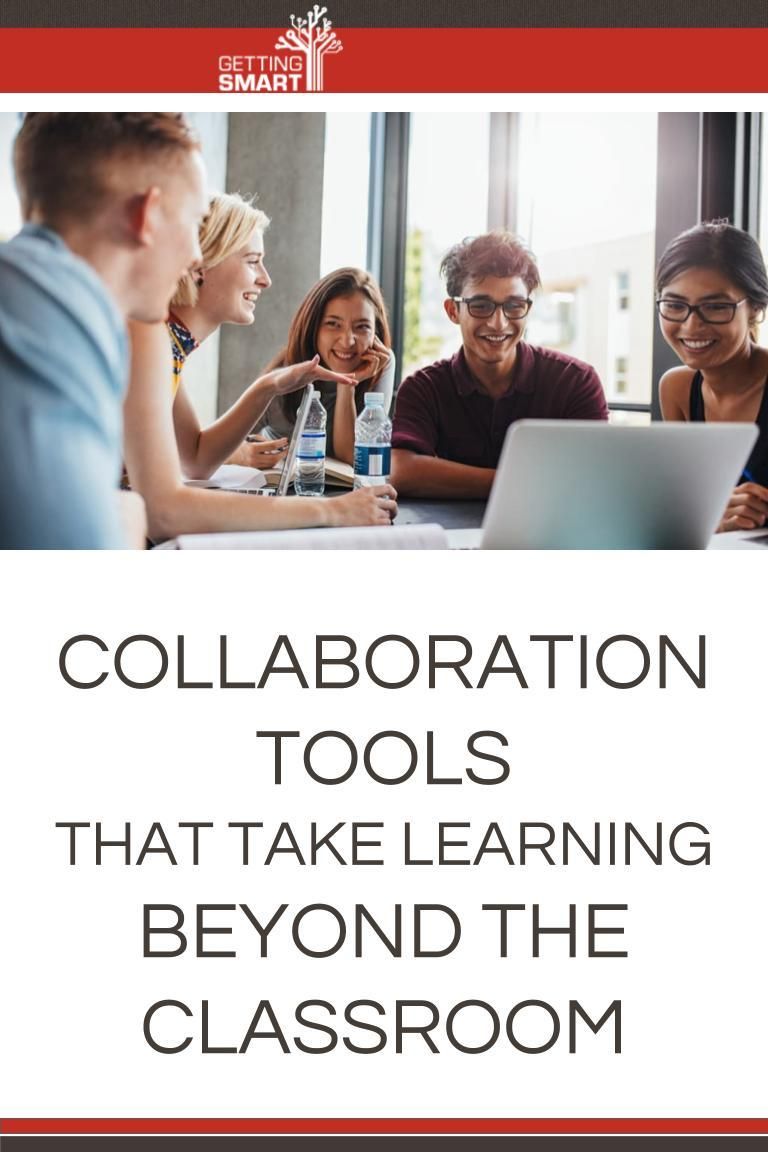
Mixed-age groupings in multiage classrooms offer numerous benefits that cater to the diverse needs of students and promote a holistic approach to learning. One of the key advantages is the opportunity for peer-to-peer learning, where older students can serve as mentors and role models for younger ones. This dynamic fosters a sense of community and…
-
Empowering Diverse Learners: Crafting Culturally Responsive and Trauma-Informed IEPs for Alternative Education Settings

In the world of special education, Individualized Education Programs (IEPs) play a crucial role in supporting students with diverse learning needs. When developing IEPs for students in alternative education settings, it is essential to adopt culturally responsive practices that honor and respect the unique backgrounds and experiences of each student. Culturally responsive IEPs take into…
 Alternative Amie