Tag: differentiated instruction
-
Maximizing Student Potential Through Differentiated Instruction

Differentiated instruction is a teaching approach that tailors lesson plans and classroom activities to meet the diverse learning needs of students. It recognizes that each student has unique strengths, weaknesses, interests, and ways of learning. By providing multiple avenues for students to learn and demonstrate understanding, differentiated instruction aims to maximize each student’s potential for…
-
Unlocking the Power of Co-op Resources: Enhancing Teaching Across Multiple Grade Levels
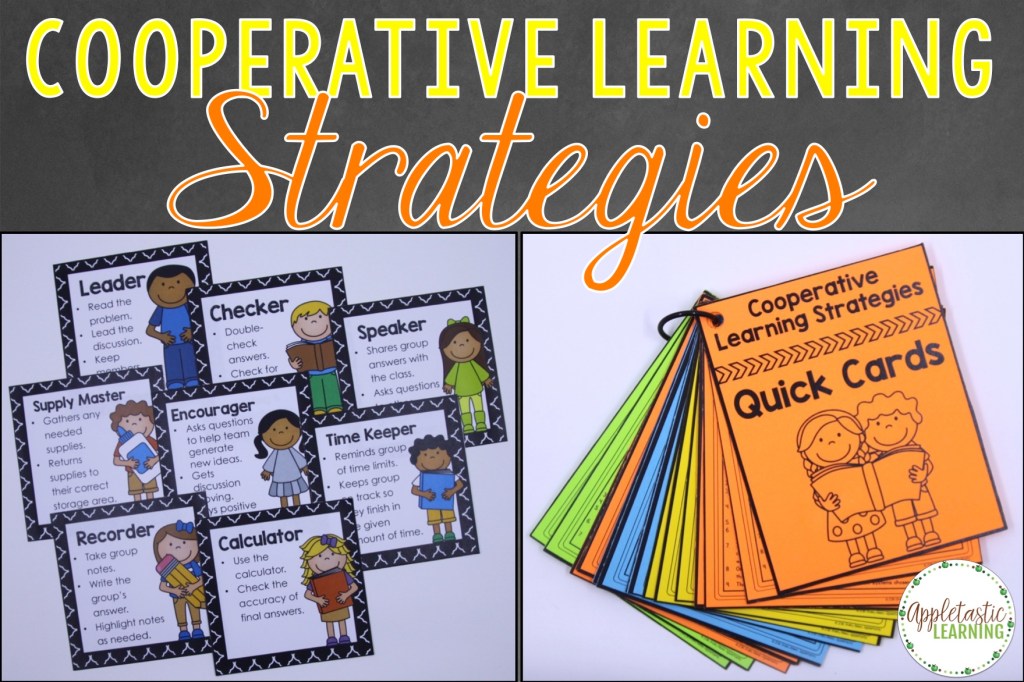
As a parent or educator in the alternative schooling and education community, finding resources that cater to teaching multiple grade levels can be a game-changer. Co-op resources offer a collaborative approach to learning that not only benefits students but also provides support and inspiration for teachers. In this spotlight on organization style post, we will…
-
Unlocking Potential: The Power of Differentiated Instruction
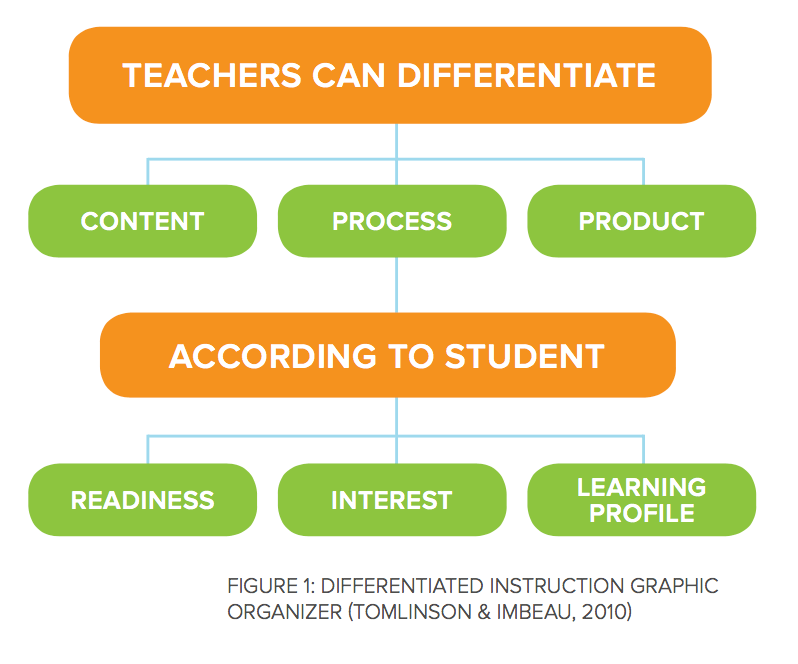
Differentiated instruction is a teaching approach that aims to cater to the diverse learning needs of students by providing varied and customized instructional strategies. This method acknowledges that learners have different strengths, weaknesses, interests, and learning styles, and therefore require tailored support to maximize their academic growth. In traditional classrooms, teachers often employ a one-size-fits-all…
-
Navigating the Challenges and Benefits of Multiage Classrooms

Implementing multiage classrooms comes with its own set of challenges, but also offers numerous benefits for students. One key challenge is addressing individual learning needs in a mixed-age setting. Teachers must be adept at differentiating instruction to cater to the diverse academic levels and learning styles present in their classroom. This requires careful planning and…
-
Navigating the Path to Success: Key Aspects of Individualized Education Programs (IEPs)
Transition planning is a crucial aspect of Individualized Education Programs (IEPs) for students with disabilities. It involves preparing students for life after high school, whether that be further education, employment, or independent living. Transition planning should ideally start as early as possible to ensure a smooth and successful transition. Assistive technology plays a significant role…
-
Navigating the Challenges of Implementing Multiage Classrooms

Implementing multiage classrooms comes with its own set of challenges that educators need to navigate. One of the primary challenges is curriculum development. Teachers must design a curriculum that meets the diverse needs and abilities of students spanning different grade levels. This requires careful planning to ensure that all students are appropriately challenged and supported…
-
“Unlocking Potential: The Power of Differentiated Instruction in the Classroom”

Differentiated instruction is a teaching approach that recognizes and responds to the diverse learning needs of students in a classroom. This method focuses on tailoring instruction to meet individual students’ strengths, needs, interests, and readiness levels, allowing all learners to access the curriculum effectively. One of the main principles of differentiated instruction is flexibility. Teachers…
-
Strategies for Developing Effective and Inclusive IEPs in Alternative Schooling Settings

Individualized Education Plans (IEPs) are essential tools in ensuring that students with diverse learning needs receive the appropriate support and accommodations to succeed academically. In alternative schooling settings, where students may have unique challenges or require different approaches to learning, it is crucial to tailor IEPs to meet their specific needs effectively. Here are some…
-
“Empowering Diversity: Differentiated Instruction Thrives in Cooperative Classrooms”

Differentiated instruction in cooperative settings has become a popular approach in many alternative education settings. This method focuses on tailoring teaching strategies to meet the diverse needs of students within a collaborative learning environment. By recognizing and accommodating individual differences, educators aim to create an inclusive and engaging classroom where all students can thrive. One…
-
Empowering Education: Innovative Strategies for Personalized Learning

Adaptive Learning Technology Q: What is adaptive learning technology and how does it benefit students in personalized learning environments? A: Adaptive learning technology refers to educational platforms and tools that use data analytics and artificial intelligence to customize the learning experience for each student. By analyzing students’ performance, engagement levels, and preferences, adaptive learning technology…
 Alternative Amie