Tag: differentiated instruction
-
“Unlocking Potential: How Differentiated Instruction Empowers Every Student”

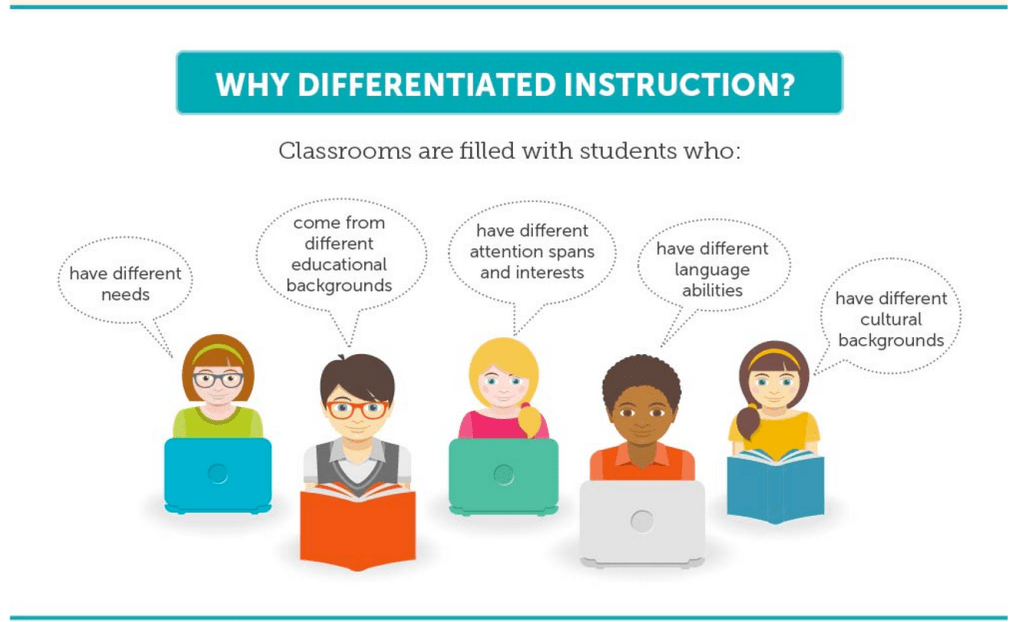
Differentiated Instruction: Meeting the Diverse Needs of Students Education is not a one-size-fits-all approach. Every student comes to the classroom with unique backgrounds, abilities, and learning styles. In order to provide an inclusive and effective learning environment, educators must adopt strategies that cater to these individual differences. One such strategy is differentiated instruction. What is…
-
Unleashing the Power of Personalized Learning: Alternative Schools Embrace Self-Directed Education

Self-directed learning in alternative schools In the world of education, traditional classrooms are not the only option for students seeking an individualized and tailored educational experience. Alternative schools have emerged as a popular choice for those looking to break away from the constraints of traditional teaching methods and explore more personalized approaches to learning. One…
-
Empowering Neurodiverse Learners: Effective Strategies for Differentiated Instruction
Differentiated Instruction Strategies for Neurodiverse Learners Introduction: In today’s diverse classrooms, it is essential to recognize and address the unique learning needs of neurodiverse learners. Neurodiversity refers to the natural variation in human neurological traits, including individuals with conditions such as autism spectrum disorder (ASD), attention deficit hyperactivity disorder (ADHD), dyslexia, and other learning differences.…
-
“Unlocking Potential: How Differentiated Instruction Empowers Every Learner”

Differentiated Instruction: Meeting the Needs of Every Learner In traditional classrooms, teachers typically deliver instruction to the entire class at once, assuming that all students have similar learning needs and abilities. However, this one-size-fits-all approach often leaves certain students struggling to keep up while others become bored due to lack of challenge. This is where…
-
“Embracing Neurodiversity: Creating Inclusive Classrooms for All Students”
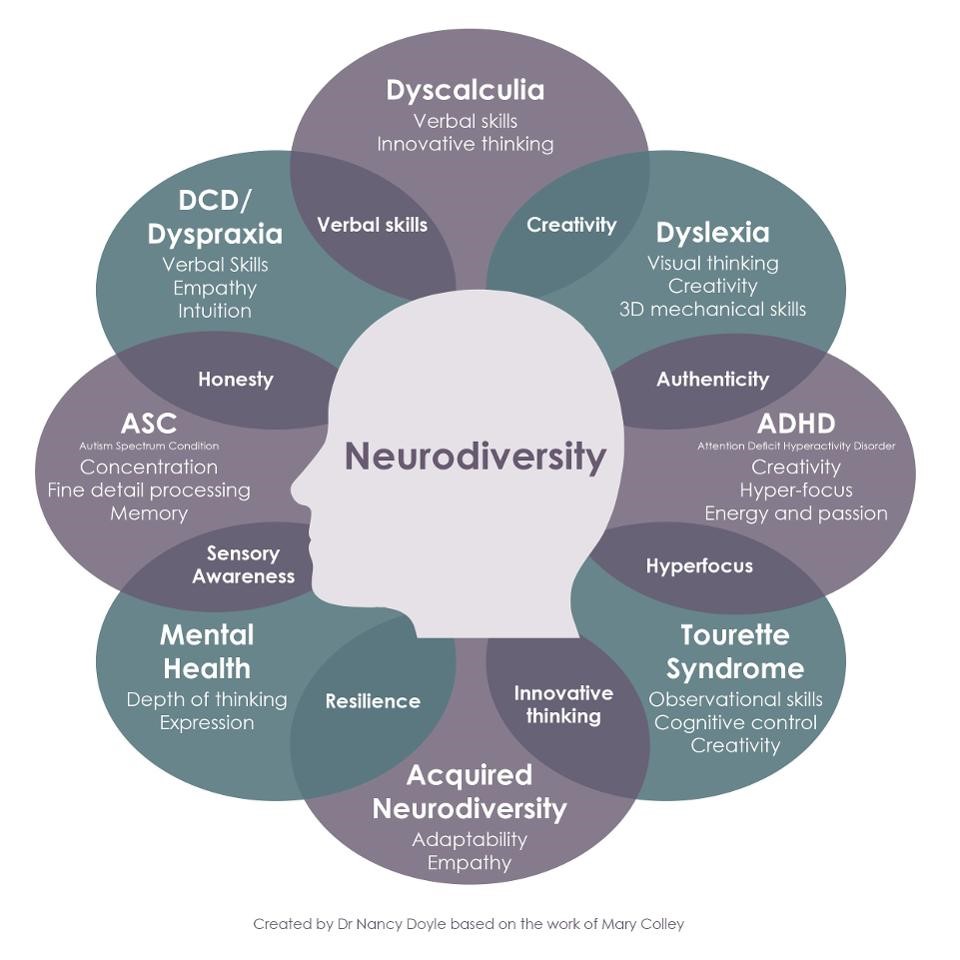
Neurodiversity in the Classroom: Embracing Differences and Promoting Inclusion In recent years, there has been an increasing recognition of the importance of neurodiversity in our classrooms. Neurodiversity refers to the idea that neurological differences, such as autism, ADHD, dyslexia, and other learning disabilities, are simply natural variations of the human brain rather than deficits or…
-
Unlocking the Potential: Alternative Education Empowers Self-Paced Learners

Alternative education offers a wide range of approaches and strategies to support self-paced learning. Personalized learning plans are at the core of alternative schooling, allowing students to set goals and tailor their educational experience to their specific needs and interests. Project-based learning is another effective method that encourages hands-on exploration and collaboration, enabling students to…
-
“Empowering English Language Learners: Personalized Support Strategies for Academic Success”

As the number of English language learners (ELLs) in schools continues to grow, educators are seeking ways to provide personalized support for these students. Personalized support is crucial in helping ELLs thrive academically and socially. One approach to personalized support is through differentiated instruction. This involves tailoring lessons and assignments based on each student’s language…
-
“Unlocking Success: The Power of Personalized Learning in Blended Environments”

Personalized learning in blended environments is a highly effective approach to education that allows students to have more control over their learning journey. In this model, teachers use technology tools and resources to tailor instruction based on individual student needs, interests, and learning styles. By combining online and offline activities, personalized learning in a blended…
-
Meeting the Diverse Needs of Learners: Curriculum Adaptations for Success

Curriculum Adaptations: Meeting the Diverse Needs of Learners In the realm of education, it is crucial to recognize that every student has unique learning styles, abilities, and interests. Traditional curricula often fail to address these individual differences adequately. This is where curriculum adaptations come into play – they offer a flexible approach to instruction that…
-
“Unlocking Potential: The Power of Differentiated Instruction in the Classroom”
Differentiated instruction is an approach to teaching and learning that acknowledges the diverse needs, interests, and abilities of students. It is a student-centered approach that aims to meet learners where they are and provide them with appropriate support and challenges. In a panel discussion about differentiated instruction, several educators shared their insights on its benefits…
 Alternative Amie