Tag: developing countries
-
Navigating Neurodiversity: Challenges and Opportunities Across Different Environments

Neurodiversity is a concept that focuses on recognizing and embracing the wide range of neurological differences among individuals. These differences can include conditions such as autism, ADHD, dyslexia, and more. Understanding neurodiversity is crucial in creating inclusive environments that support the unique needs and strengths of all individuals. In urban settings, neurodiverse individuals may face…
-
Diverse Apprenticeship Opportunities: From Urban to International, Rural to Indigenous

Urban apprenticeship programs provide valuable hands-on learning experiences for individuals looking to gain practical skills and knowledge in various industries. These programs are typically located in bustling cities and offer a wide range of opportunities, from technology and finance to healthcare and hospitality. Urban apprenticeships often allow participants to work alongside experienced professionals, gaining insight…
-
Embracing Neurodiversity: Building Inclusive Communities Across Environments

Neurodiversity in Various Environments: Embracing Differences and Building Inclusive Communities Introduction: The concept of neurodiversity emphasizes the idea that neurological differences, such as autism, ADHD, dyslexia, and other cognitive variations, are natural and valuable aspects of human diversity. Rather than viewing these differences as disabilities or disorders to be cured or fixed, neurodiversity advocates for…
-
Empowering the Future: Education in Developing Countries

Education in Developing Countries: Empowering the Future Education is a fundamental right that should be accessible to all individuals, regardless of their socio-economic background or geographic location. In developing countries, however, this basic right often remains elusive for many children and youth. Limited resources, inadequate infrastructure, cultural barriers, and societal challenges are just some of…
-
Unlocking Potential Beyond Boundaries: Gifted Education in Developing Countries

Gifted Education in Developing Countries: Unlocking Potential Beyond Boundaries Introduction: In the realm of education, nurturing and supporting gifted students is a crucial aspect that often garners less attention, particularly in developing countries. Gifted individuals possess exceptional abilities and potential in specific areas such as academics, arts, or sports. However, without proper identification and appropriate…
-
“Embracing Neurodiversity: From Urban Centers to Remote Landscapes, Inclusion Knows No Boundaries”
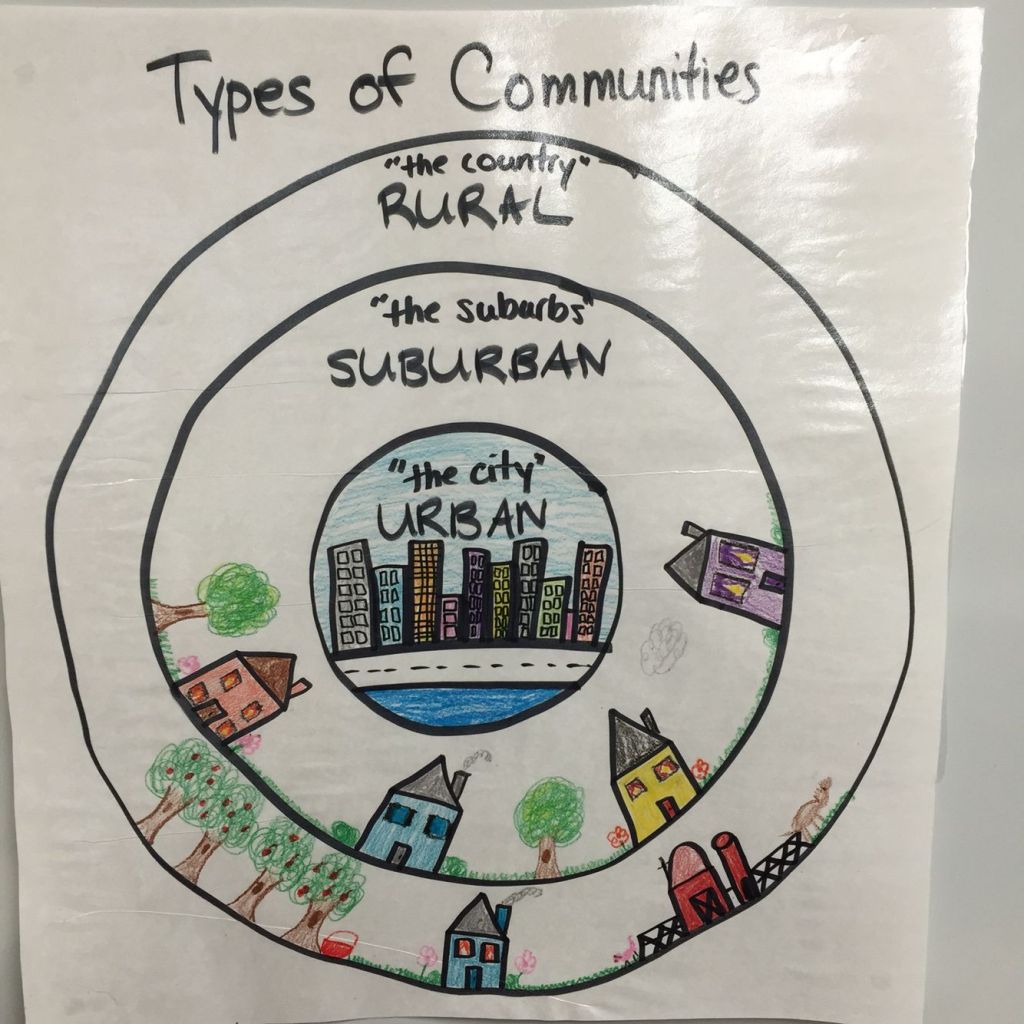
Neurodiversity in Different Environments Introduction: Neurodiversity refers to the natural variation in neurological conditions and brain functioning among individuals. It recognizes that neurodevelopmental disorders, such as autism spectrum disorder (ASD), attention deficit hyperactivity disorder (ADHD), dyslexia, and others, are simply different ways of being rather than deficits to be cured or fixed. This concept emphasizes…
-
“Embark on an Adventure That Makes a Difference: The Rise of Ecotourism”

Ecotourism has gained significant popularity in recent years as more and more people are becoming aware of the importance of sustainable travel practices. This form of tourism not only allows individuals to explore and appreciate natural environments but also supports conservation efforts and provides educational opportunities. One aspect that sets ecotourism apart from traditional tourism…
-
Empowering Education: Strategies for Success in Developing Countries

Education plays a crucial role in the development of any country, and this is particularly true for developing countries. However, providing quality education in these regions can be challenging due to various factors such as limited resources, poverty, and cultural barriers. In this article, we will explore some strategies and initiatives that have been successful…
-
Unlocking the Potential: Education in Developing Countries Shaping a Brighter Future
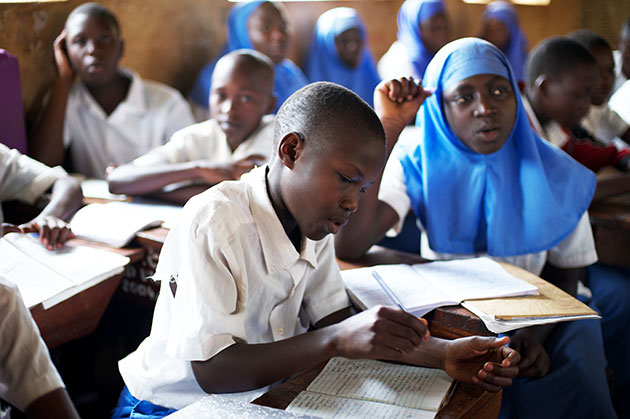
Education in Developing Countries: Unlocking the Potential for a Brighter Future Education is undeniably one of the most powerful tools we possess to bring about positive change and create a brighter future. In developing countries, where access to quality education is often limited, it becomes even more crucial to emphasize the value and importance of…
-
“Exploring Neurodiversity Across Landscapes: From Urban Areas to Remote Communities”

Neurodiversity in Urban Areas: Urban areas are known for their diverse populations and bustling city life. In terms of neurodiversity, urban areas offer a wide range of resources and support systems for individuals with different neurological conditions. Cities often have specialized schools, clinics, and therapy centers that cater to the needs of neurodiverse individuals. Additionally,…
 Alternative Amie