Tag: deep understanding
-
Empowering Students Through Inquiry-Based Learning: Fostering Curiosity and Critical Thinking
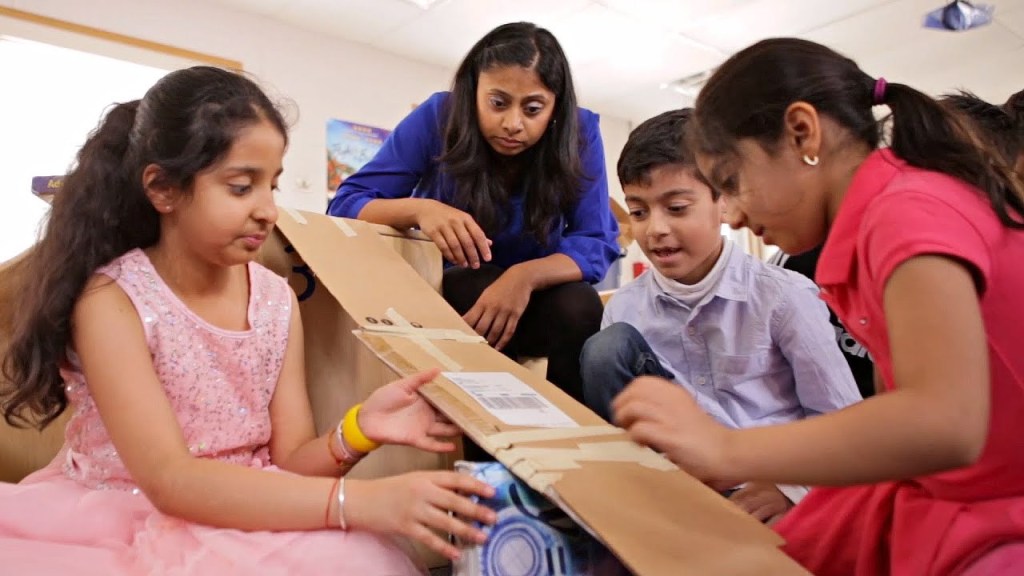
Inquiry-based learning is a student-centered approach that focuses on fostering critical thinking skills, curiosity, and a deep understanding of topics through exploration and investigation. This method challenges traditional teaching practices by encouraging students to ask questions, pursue answers independently, and engage in hands-on activities to construct their knowledge actively. Inquiry-based learning is rooted in the…
-
Unleashing Academic Excellence: The Power of Mastery Learning

Mastery learning is a teaching approach that focuses on ensuring students fully understand a concept before moving on to more advanced material. This method emphasizes the importance of mastering foundational skills and knowledge, rather than simply completing assignments or assessments within a set timeframe. Mastery learning allows students to work at their own pace and…
-
Empowering Students Through Inquiry-Based Learning

Inquiry-based learning is an educational approach that encourages students to actively engage in the learning process by posing questions, investigating solutions, and exploring topics of interest. This method shifts the focus from rote memorization to critical thinking, problem-solving, and deep understanding. By fostering curiosity and independence in students, inquiry-based learning empowers them to take ownership…
-
“Unlocking Minds and Muscles: The Power of the Socratic Method in Physical Education”
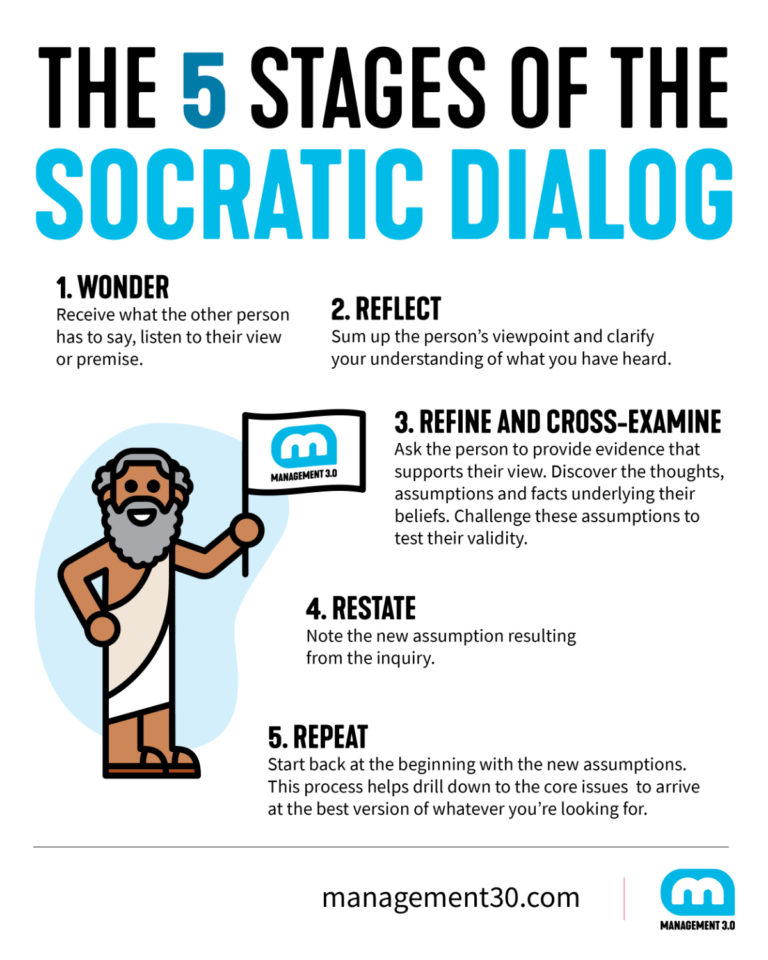
Incorporating the Socratic method into physical education classes can be a powerful tool for promoting critical thinking, problem-solving skills, and overall student engagement. By applying this method, educators can encourage students to question their assumptions and explore different perspectives in relation to various aspects of physical activity. One way to implement the Socratic method in…
-
Unlocking the Power of Self-Paced Learning: Empowering Individuals for Success
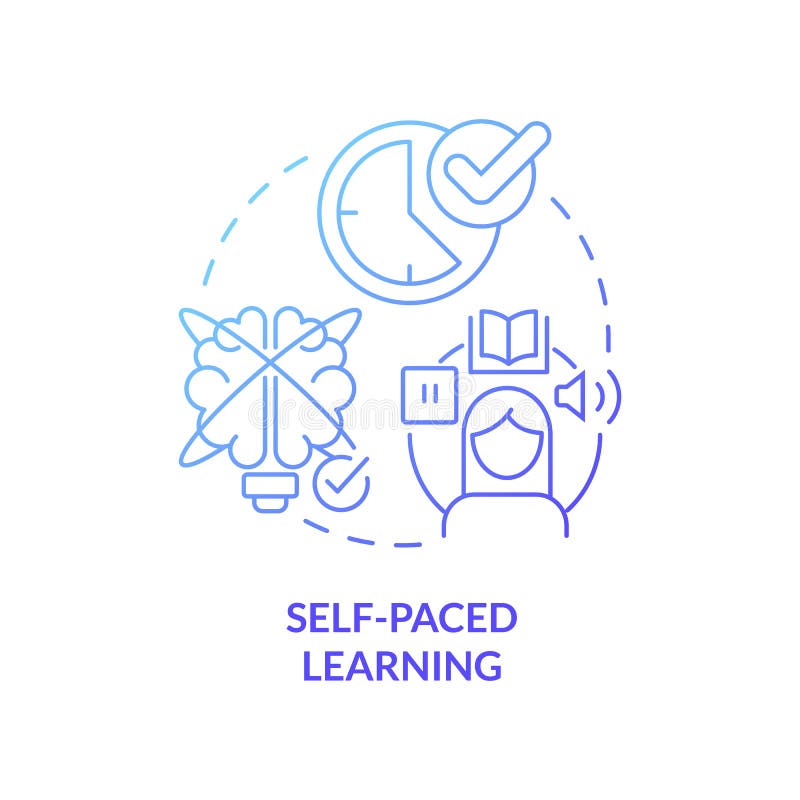
Self-paced learning is a unique and effective approach to education that empowers individuals to take control of their own learning journey. Unlike traditional classroom settings, where students follow a fixed curriculum and pace set by the teacher, self-paced learning allows learners to progress at their own speed, focusing on areas they find challenging while accelerating…
-
“Unleashing Curiosity: The Power of Inquiry-Based Learning”
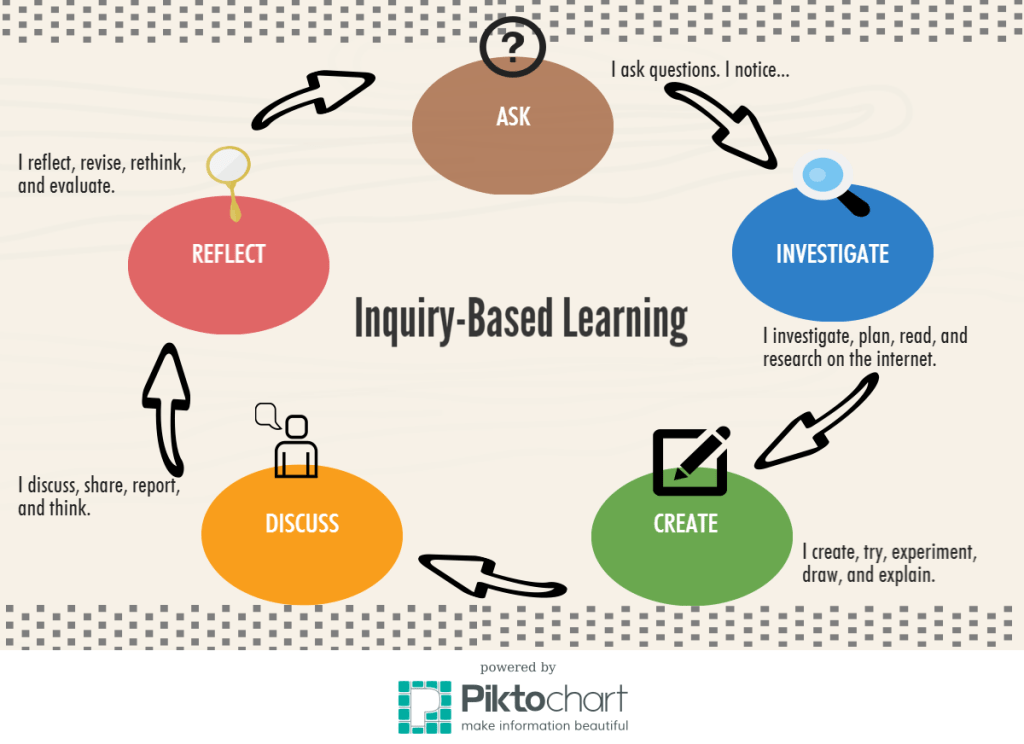
Inquiry-based learning, also known as inquiry-driven instruction, is a student-centered approach to education that fosters curiosity, critical thinking, and deep understanding. It encourages students to actively engage in their own learning process by posing questions, investigating topics of interest, and seeking answers through research and exploration. This method goes beyond rote memorization and promotes lifelong…
-
Project-Based Learning: Empowering Students for Success in the Real World

Project-Based Learning: A Transformative Approach to Education In recent years, there has been a growing emphasis on alternative approaches to education that foster creativity, critical thinking, and problem-solving skills. One such approach gaining momentum is project-based learning (PBL). PBL engages students in real-world projects that are meaningful and relevant to their lives, allowing them to…
-
Unlocking the Power of Inquiry-Based Learning: Empowering Students to Explore and Discover
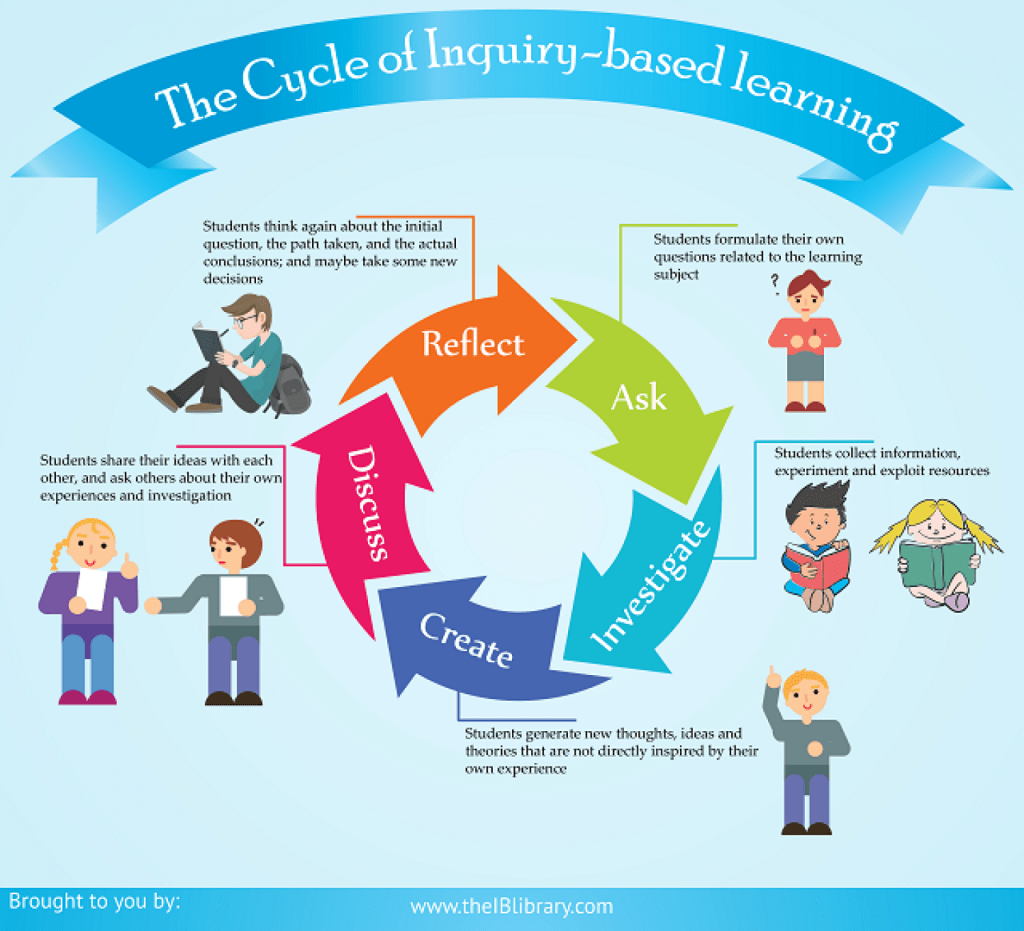
Panel Discussion: Exploring the Benefits of Inquiry-Based Learning Welcome to our panel discussion on inquiry-based learning, a teaching approach that empowers students to actively explore and investigate topics of interest. Today, we have brought together a group of experts in the field who will shed light on the benefits and effectiveness of this innovative educational…
-
“Unlocking the Power of Project-Based Learning: 8 Key Benefits for Alternative Education”

Project-based learning (PBL) is an educational approach that emphasizes the application of knowledge and skills through real-world projects. Unlike traditional classroom instruction, PBL encourages students to actively engage in solving complex problems, working collaboratively, and developing critical thinking skills. This article will discuss eight key benefits of project-based learning and why it is a valuable…
-
“Place-based Education: Connecting Students with their Environment for Meaningful Learning and Stewardship”

Place-based education, also known as experiential or immersive learning, is an innovative approach to education that emphasizes learning in a local context. It seeks to connect students with their immediate environment and community, making learning more meaningful and relevant. By integrating real-world experiences into the curriculum, place-based education promotes deep understanding and fosters a sense…
 Alternative Amie