Tag: Curriculum planning
-
Homeschooling: Unlocking the Power of Alternative Education

Homeschooling: A Comprehensive Guide to Alternative Education Introduction: Education is a fundamental aspect of every child’s life. It plays a crucial role in shaping their knowledge, skills, and character. Traditionally, parents have relied on public or private schools to provide education for their children. However, an increasing number of families are opting for homeschooling as…
-
Homeschooling Co-ops: Unlocking Collaborative Learning Potential

Homeschooling Co-ops: A Guide to Collaborative Learning Introduction: Homeschooling co-ops have gained popularity in recent years as an alternative form of education. These collaborative learning communities bring together homeschooling families to share resources, expertise, and socialization opportunities for their children. In this article, we will explore the various aspects of homeschooling co-ops, including how to…
-
Reggio Emilia Schools: Pioneering Education Through Community Partnerships

Reggio Emilia schools have gained worldwide recognition for their unique approach to education, which places a strong emphasis on community partnerships and connections. These schools, located in the Reggio Emilia region of Italy, have become pioneers in alternative schooling and education by fostering close relationships with various individuals and organizations within the local community. At…
-
Roadschooling: A Unique Journey for Special Needs Families
Roadschooling, or homeschooling on the road, has become a popular alternative for families seeking a more flexible and experiential education for their children. However, families with special needs children face unique challenges when it comes to roadschooling. The lack of stability and routine can be particularly difficult for children with special needs who thrive on…
-
“Unlocking the Power of Mixed-Age Classrooms: Peer Learning, Social-Emotional Growth, and Academic Success”
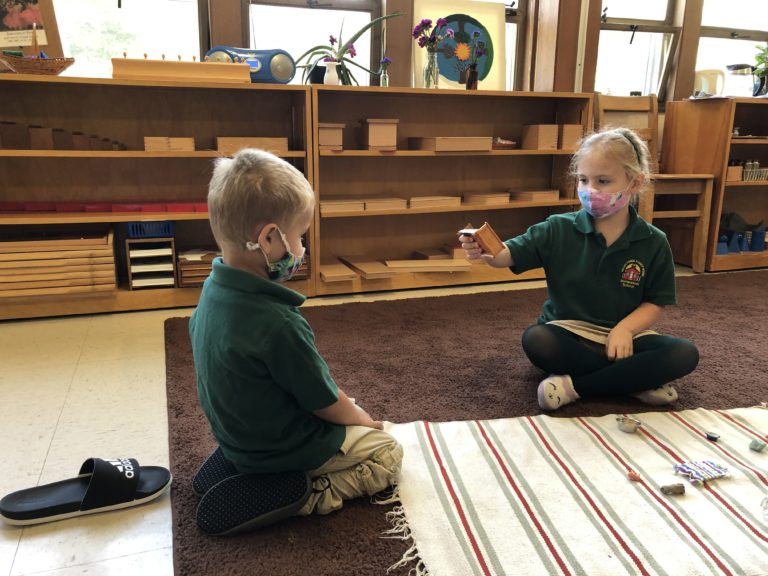
Benefits of Mixed-Age Groupings in Multiage Classrooms Multiage classrooms, also known as mixed-age groupings, have gained popularity in recent years as an alternative approach to traditional single-grade classrooms. In a multiage classroom, students from different age groups are combined and taught together by the same teacher. This approach offers several benefits for both students and…
-
The Impact of Government Funding on Small Schools: A Double-Edged Sword

Impact of Government Funding on Small Schools Small schools, often referred to as alternative schools, have been a topic of discussion for many years. These institutions offer students an opportunity to learn in a non-traditional setting with smaller class sizes and more individualized attention from teachers. However, small schools face unique challenges when it comes…
-
The Reggio Emilia Approach: A Pathway to Creative and Meaningful Learning
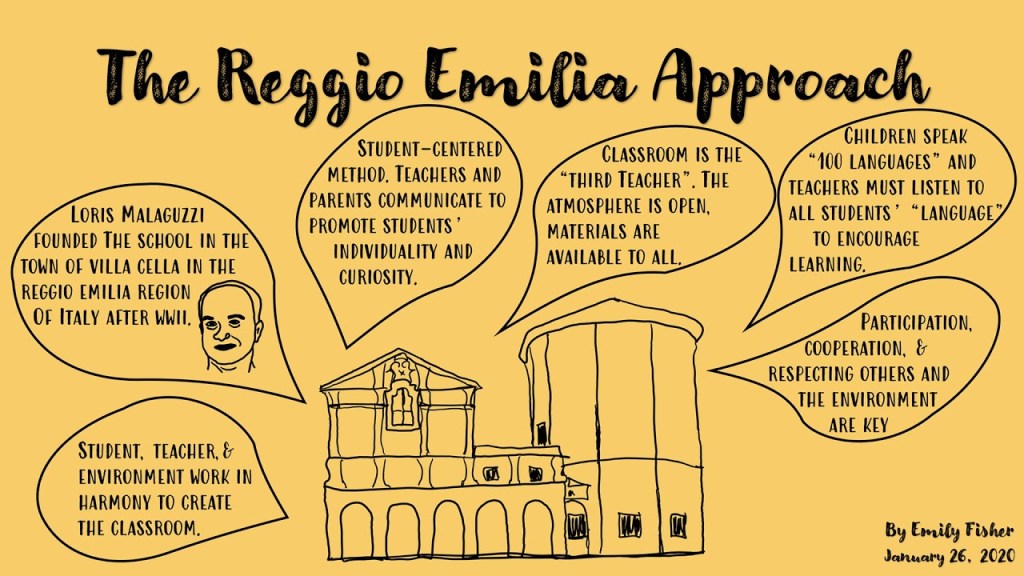
The Reggio Emilia Approach: A Retrospective The Reggio Emilia Approach is a teaching philosophy that has gained popularity over the years, especially in alternative schooling and education systems. This approach originated from Reggio Emilia, a small town in Italy, after World War II. Its inception was as a result of Loris Malaguzzi’s vision to rebuild…
-
Designing a SMART and Engaging Curriculum for Alternative Education

Curriculum Planning and Design for Alternative Education Alternative education is a growing choice among parents who want their children to have alternative learning experiences. As an educator, it is essential to create a curriculum plan that caters to the unique needs of students in alternative schools. The first step in designing a curriculum is setting…
-
“Nature Study: The Key to Alternative Education Success”

Nature Study: Incorporating the Natural World into Alternative Education As parents and educators increasingly seek alternatives to traditional schooling, one approach gaining popularity is incorporating Nature Study into children’s education. This approach emphasizes learning through direct interaction with the natural world, fostering a deep connection between students and their environment. In this panel discussion-style article,…
-
“Empowering Students: The Benefits of Inquiry-Based Learning in Education”

Inquiry-based learning (IBL) is a student-centered approach to education that allows learners to take charge of their own learning process by encouraging them to ask questions, explore topics of interest, and engage in critical thinking. Unlike traditional classroom models where teachers impart knowledge on students, IBL shifts the focus from teacher-led instruction to student-led exploration.…
 Alternative Amie