Tag: cultural considerations
-
Unlocking Student Potential: The Power of Narrative Assessments in Education

Narrative assessments in physical education offer a holistic approach to evaluating students’ progress and development beyond traditional quantitative measures. By incorporating storytelling and qualitative observations, educators gain deeper insights into students’ skills, attitudes, and behaviors in physical activities. These narrative assessments not only provide a more comprehensive view of student performance but also foster a…
-
Navigating Peer Assessment Challenges in Alternative Schools: Fostering Collaboration and Inclusivity

Peer assessment can be a valuable tool in alternative schools, offering students the opportunity to provide feedback to their peers on their work. However, implementing peer assessment in these settings comes with its own set of challenges. In project-based learning environments, where students are often working collaboratively on complex projects, peer assessment can help foster…
-
Empowering Lives Through Occupational Therapy: A Multifaceted Profession
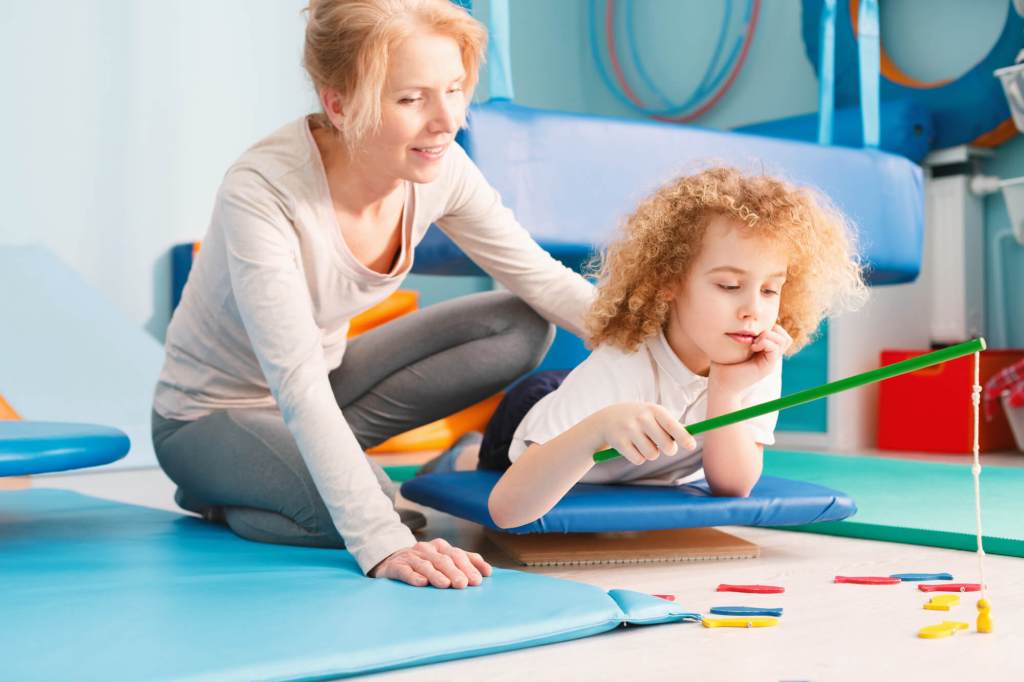
Occupational therapy is a dynamic and rewarding profession that focuses on helping individuals of all ages participate in the activities they need and want to do. Occupational therapists work with clients facing physical, emotional, developmental, or social challenges to enhance their independence and quality of life. In addition to providing direct care, occupational therapists also…
-
Navigating the Path to Adulthood: Key Elements of Transition Planning in IEPs

Transition planning is a crucial aspect of Individualized Education Programs (IEPs) for students with disabilities as they prepare to move into adulthood. This process involves identifying goals and objectives that will help the student transition smoothly into post-secondary education, vocational training, employment opportunities, independent living situations, and community engagement. Assistive technology considerations play a significant…
-
Empowering Students with Disabilities: Key Aspects of Special Education Transition Planning

Transition planning is a critical aspect of special education that focuses on preparing students with disabilities to transition from school to post-school activities, such as higher education, employment, and independent living. This process begins when the student turns 16 (or younger if determined appropriate by the IEP team) and involves developing individualized goals and services…
-
Empowering Students Through Self-Assessment: Key Strategies and Considerations

Self-assessment in project-based learning is a crucial component that allows students to reflect on their own progress, skills, and understanding throughout the project. It empowers them to take ownership of their learning and development by setting goals, monitoring their growth, and identifying areas for improvement. In project-based learning, students are typically engaged in hands-on projects…
-
Navigating the Essentials of Special Education: Building Effective IEPs for Every Student

Transition planning is a crucial aspect of the Individualized Education Program (IEP) process for students with disabilities. It involves preparing students for life after high school, whether that be further education, employment, or independent living. Assistive technology plays a significant role in supporting students with disabilities in their academic and daily living tasks. It can…
-
Navigating Peer Assessment in Alternative Schools: Challenges and Opportunities

Peer assessment in alternative schools poses unique challenges and opportunities. In these environments, where traditional grading systems may not align with the philosophy of the school, peer assessment can play a crucial role in evaluating student learning and growth. However, implementing peer assessment requires careful consideration to ensure its effectiveness. One major challenge is cultural…
-
Navigating Success: Transition Planning and Support for Students with IEPs
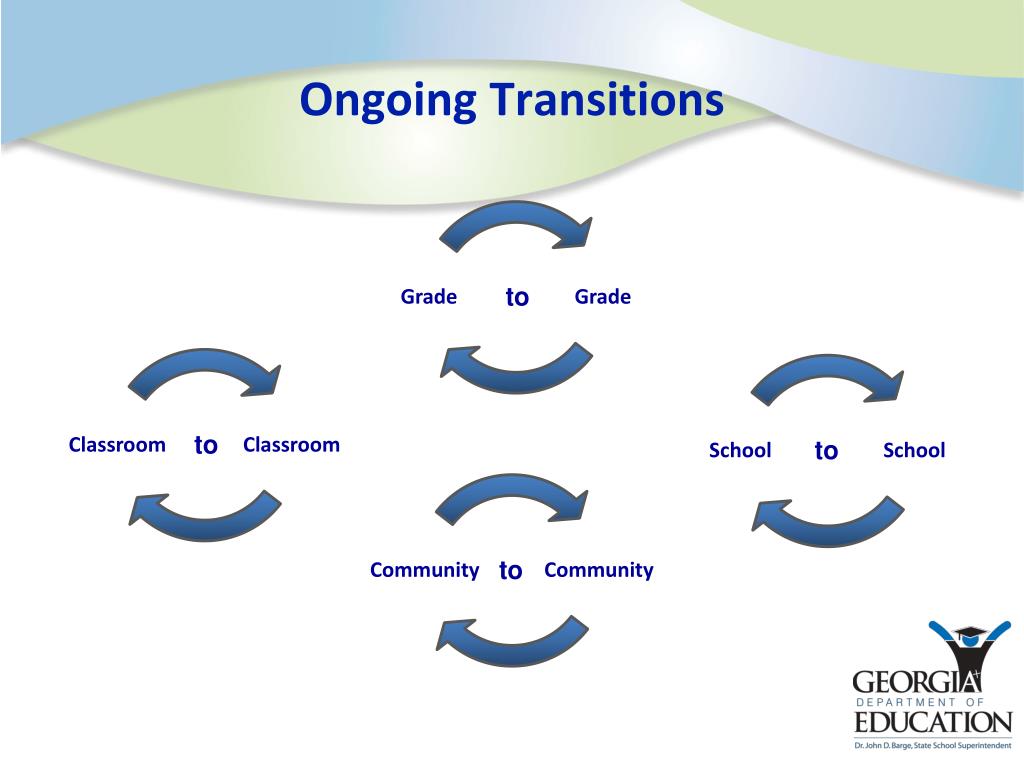
Transition Planning for Students with IEPs Transition planning is a crucial component of the Individualized Education Program (IEP) process for students with disabilities. The goal of transition planning is to help students successfully move from school to post-secondary education, employment, and independent living. By providing appropriate supports and services, educators can empower students with disabilities…
-
Unleashing the Power of the Socratic Method: Adapting Critical Thinking and Engagement to Diverse Geographic Settings

The Socratic method is a powerful tool for fostering critical thinking, engagement, and deeper understanding in educational settings. While it has been widely discussed and implemented in various contexts, its application within different geographic regions presents unique opportunities and challenges. In this post, we will explore the geographic-based subtopics of the Socratic method and how…
 Alternative Amie