Tag: critical thinking
-
Unschooling: A Pathway to Developing Essential Life Skills

Unschooling and Life Skills: A Panel Discussion As more parents seek alternative methods of education for their children, unschooling has become an increasingly popular option. Unschooling is a form of homeschooling where students have complete control over what they learn and when they learn it. There are no set curriculums or schedules, and the child’s…
-
“Collaboration is Key: The Benefits and Strategies of Cooperative Learning in the Classroom”
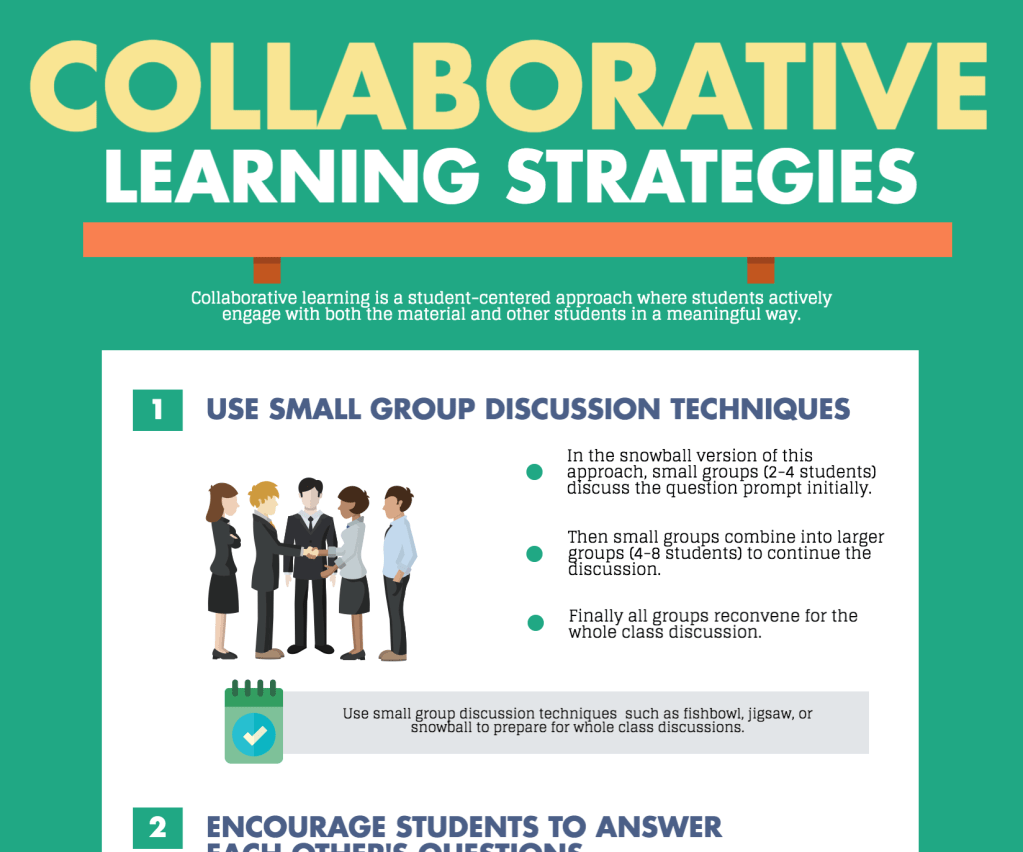
Cooperative learning is a teaching method that emphasizes teamwork and collaboration among students. In this approach, students work together in small groups to achieve common goals and learn from one another. The benefits of cooperative learning are numerous. It helps foster positive relationships among students, improves communication skills, enhances critical thinking abilities, and encourages active…
-
Empowering Students: The Benefits of Self-Directed Learning
Self-directed learning is a unique approach to education that puts the student in the driver’s seat. Rather than relying on traditional classroom instruction, self-directed learners take ownership of their education and pursue knowledge and skills based on their interests, goals, and passions. One of the primary benefits of self-directed learning is that it empowers students…
-
“Step Out of the Classroom: The Benefits of Outdoor Education for Students’ Academic and Personal Growth”

Outdoor education is a type of learning that takes place outside the traditional classroom setting. It’s a hands-on, experiential approach to education that involves activities and lessons in natural environments such as forests, rivers, mountains, and beaches. The goal of outdoor education is to provide students with an opportunity to connect with nature while learning…
-
15 Reasons Why Project-Based Learning is the Future of Education

Project-based learning is a teaching method that emphasizes real-world problem-solving and application of skills. It engages students in the learning process by allowing them to explore topics, investigate questions, and create products or solutions. Here are 15 reasons why project-based learning is so effective: 1. Promotes Critical Thinking: Project-based learning encourages students to think critically…
-
“Tailored Teaching: How Differentiated Instruction is Revolutionizing Education”
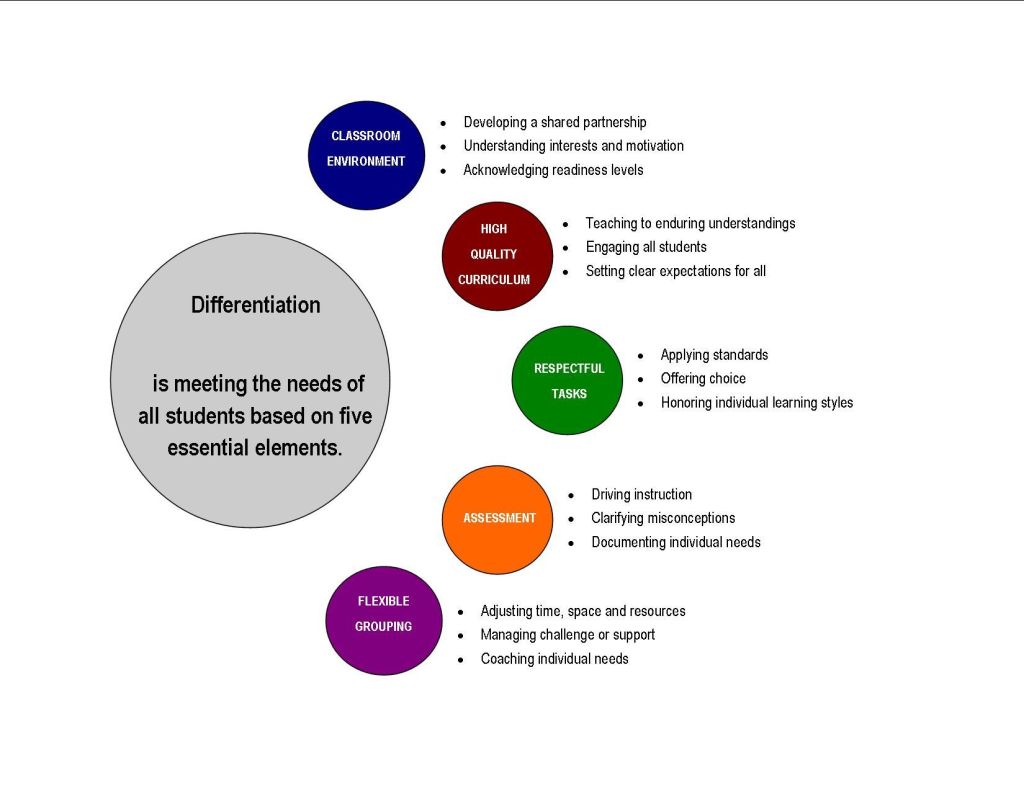
Differentiated instruction is a teaching approach that is used to ensure that students’ diverse learning needs and abilities are met in the classroom. It recognizes that every student has unique strengths, weaknesses, interests, and preferences for learning. As a result, teachers use various instructional methods to cater to each student’s learning style. One of the…
-
Revolutionizing Education: The Power of Project-Based Learning

Project-Based Learning: A New Age of Education Education is an ever-evolving field, and in the past decade, there has been a significant shift in how we approach teaching and learning. One such approach that has gained immense popularity is project-based learning (PBL). It’s a form of active learning where students work on real-world projects to…
-
Unleashing the Magic of Mythology and Folklore: A Guide for Alternative Learners

Mythology and Folklore Studies: A Guide for Alternative Learners Mythology and folklore studies are fascinating disciplines that offer a window into the beliefs, values, and customs of different cultures. For alternative learners who are not bound by traditional academic structures, mythology and folklore studies can be an excellent way to explore the world’s diversity and…
-
“Online Collaborative Learning: Revolutionizing Alternative Education”

Online Collaborative Learning: A New Era of Alternative Education With the rise of technology, online learning has become a popular form of education. Online collaborative learning takes this a step further by incorporating teamwork and communication skills into the learning process. This approach to education is gaining momentum in alternative schooling and education as it…
-
Why Coding is a Must-Have Skill for Alternative Learners

Coding: A Valuable Skill for Alternative Learners In today’s digital age, coding has become an essential skill that opens up a world of opportunities. It not only provides access to exciting career prospects but also enhances critical thinking, problem-solving abilities and creativity. For alternative learners who may have unique learning styles or needs, coding can…
 Alternative Amie