Tag: critical thinking
-
Classical Education: A Timeless Approach to Developing Critical Thinkers
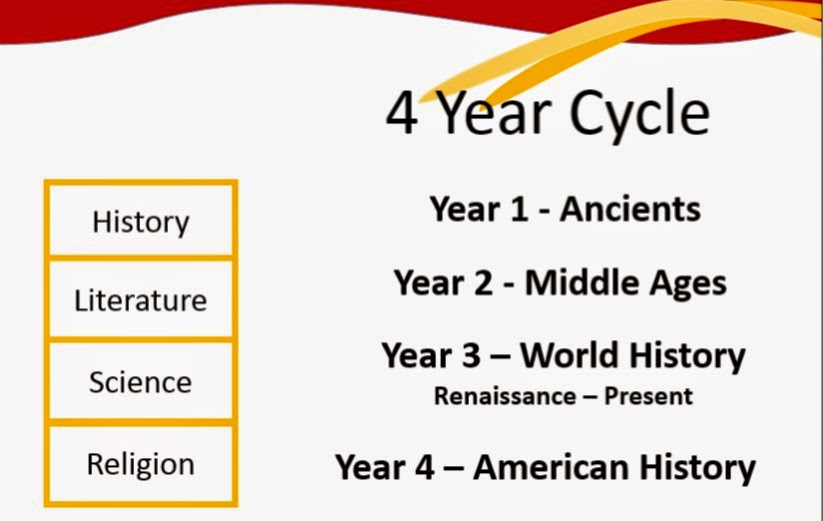
When it comes to education, there are many different approaches that parents can choose from. One such approach is classical education, which has been around for centuries and focuses on teaching students how to think critically and engage with the world around them. At its core, classical education is based on three stages of learning:…
-
Unleashing the Power of Unschooling for Language Arts and Literature Education

Unschooling Language Arts and Literature: A Comprehensive Guide Language arts and literature are integral components of any educational curriculum. They help students develop critical thinking, communication skills, creativity, and a love for learning. While traditional schools often follow a structured approach to teaching these subjects, unschooling offers an alternative way of learning that is more…
-
The Freedom to Learn: Unschooling Fosters Creativity and Independence in Children
1. Unschooling is a type of homeschooling where children are given the freedom to learn without following a set curriculum or schedule. This method encourages natural learning and allows children to pursue their interests at their own pace. 2. Unlike traditional schooling, unschooling focuses on experiential learning rather than memorization. Children are encouraged to explore…
-
Revolutionizing Education: The Benefits and Success of Competency-Based Learning
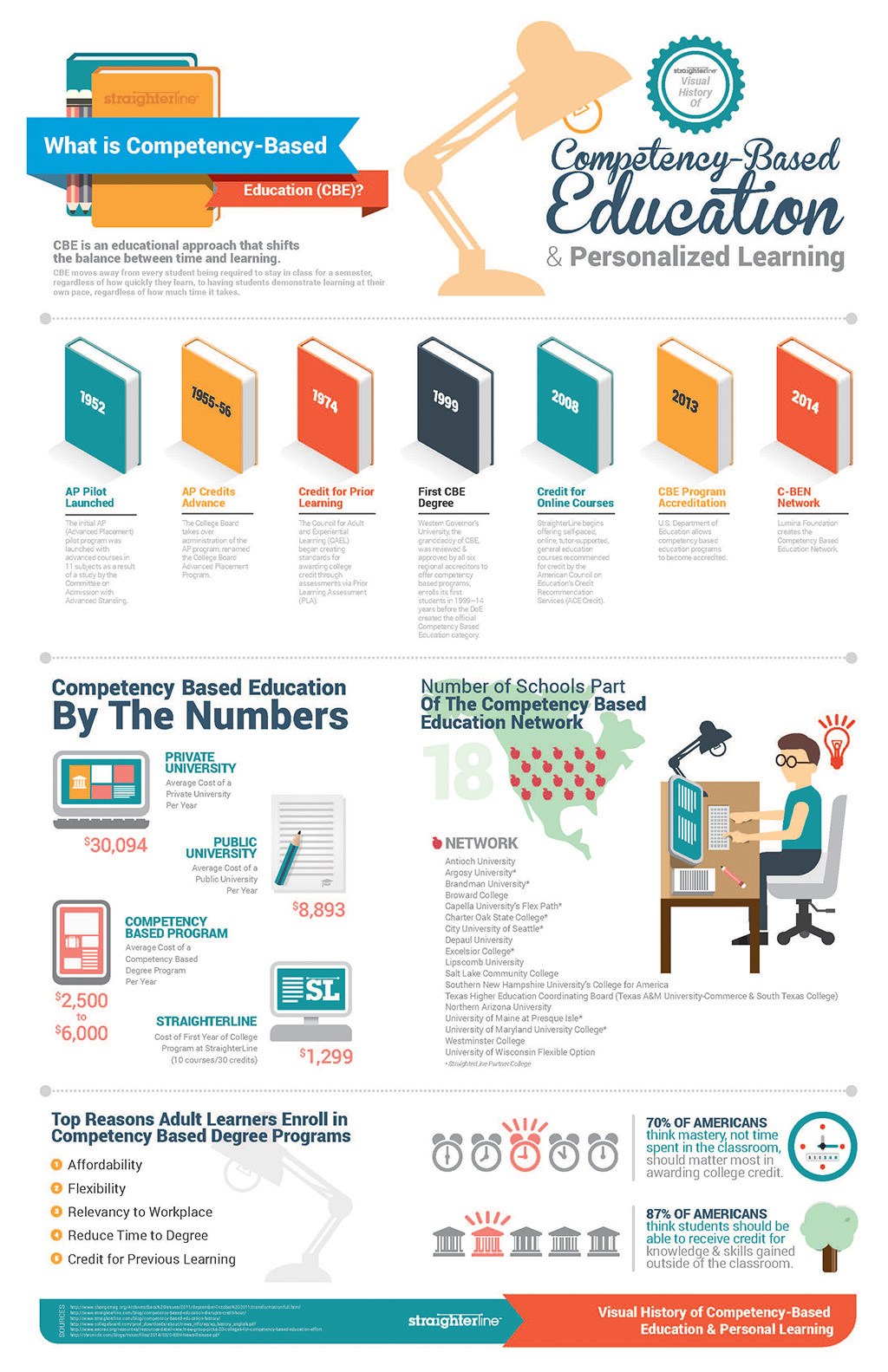
Competency-Based Education: A Revolutionary Approach to Learning Education is an essential aspect of human development. It provides the foundation for a person’s growth and success in life. However, traditional education systems have been criticized for being rigid and outdated, failing to cater to the individual needs of students. As a result, there has been a…
-
“Uncovering the Hidden Benefits of Studying Latin: From Vocabulary to Cultural Literacy”
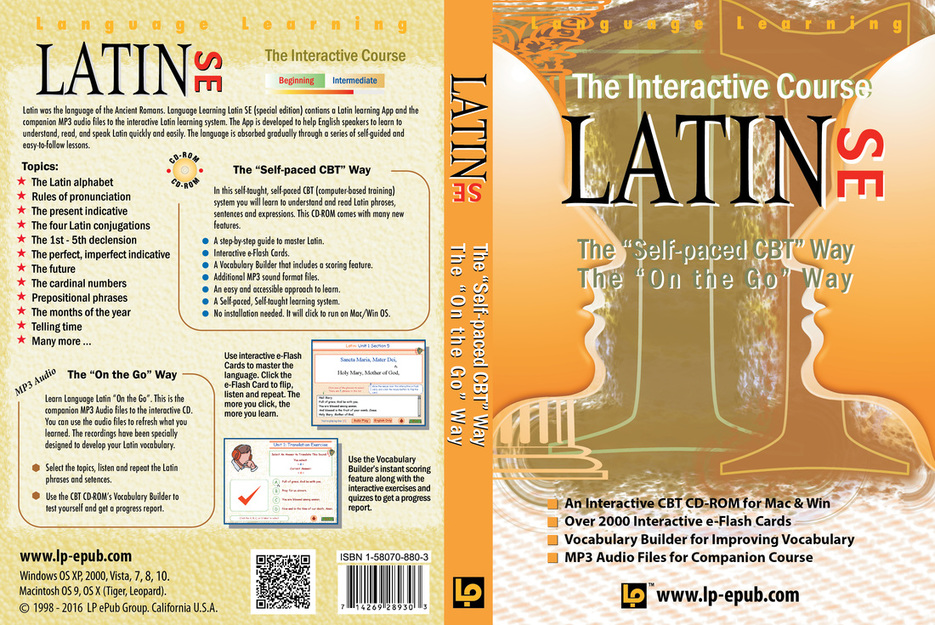
Latin, a language that was once the lingua franca of the Western world, has been relegated to obscurity in modern times. However, it remains an important subject for alternative schooling and education for several reasons. Firstly, Latin is known as the “mother tongue” of modern European languages. As such, studying Latin can help students gain…
-
Revolutionize Education with Project-Based Learning
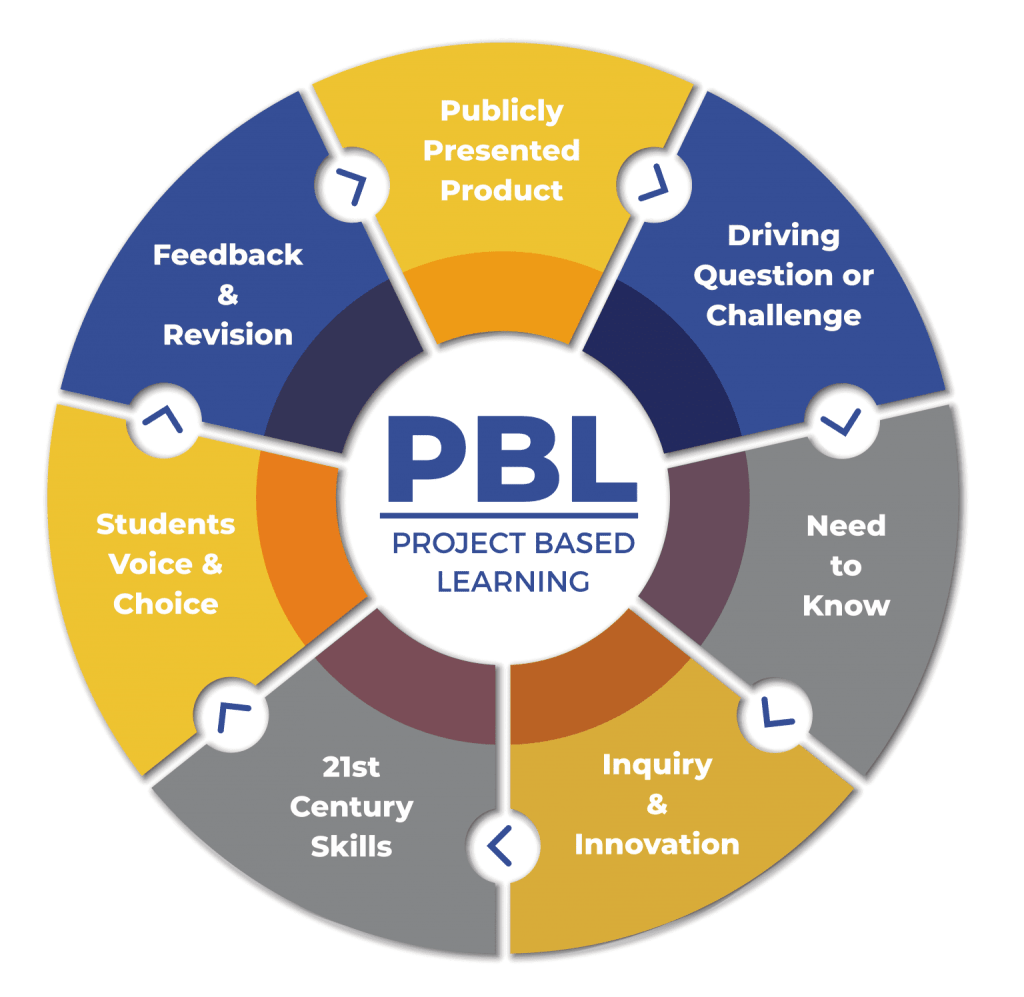
Project-Based Learning: An Alternative Approach to Education Education is an essential aspect of a person’s life that shapes their future. But, traditional methods of teaching and learning have often been criticized for being too rigid and limiting students’ potential. This is where project-based learning comes in as an alternative approach to education. Project-based learning (PBL)…
-
“Engage, Learn, and Succeed: The Power of Experiential Learning in Education”
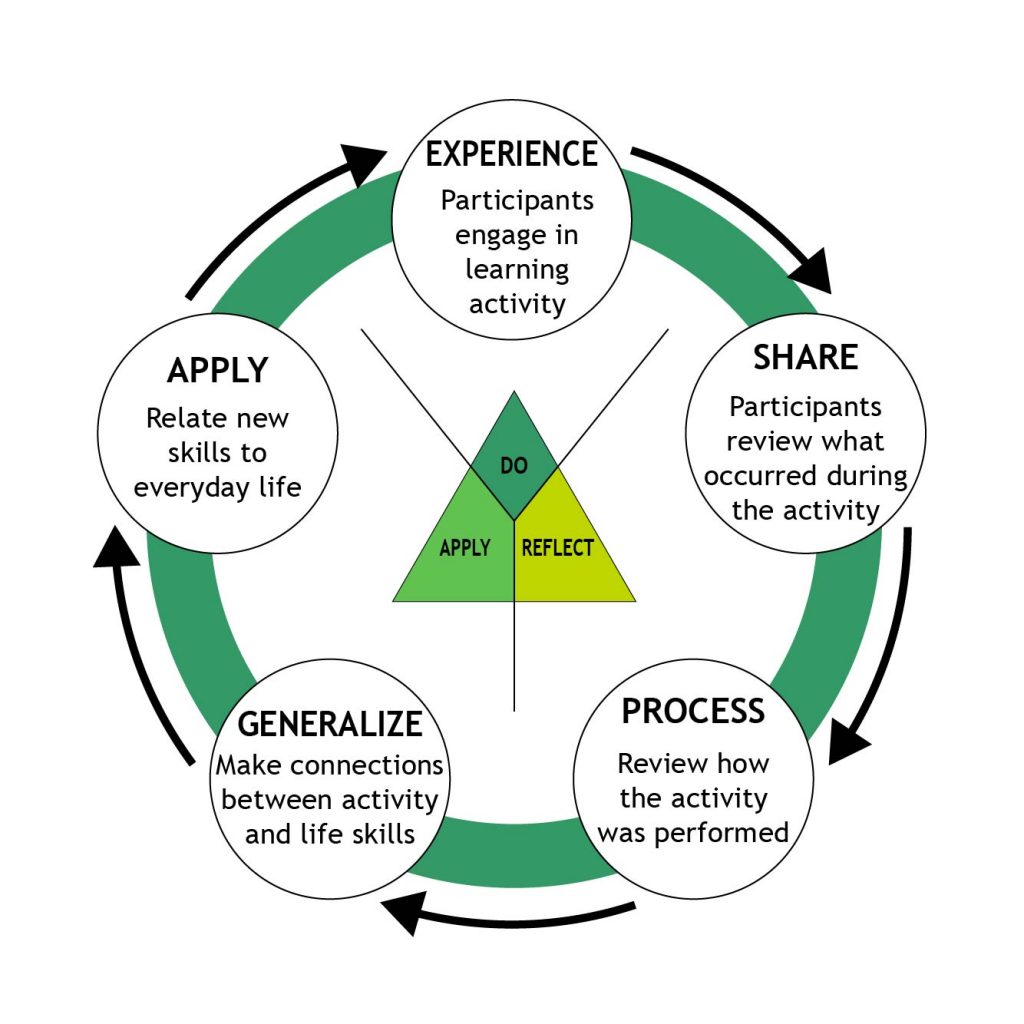
Experiential learning is a teaching approach that emphasizes hands-on experiences and active involvement in the learning process. This type of learning often involves real-world scenarios, problem-solving, and critical thinking. Alternative schools and educational programs have long embraced experiential learning as a way to engage students and help them develop practical skills. One of the key…
-
Peer Assessment: The Key to Unlocking Alternative Schooling and Education Success

Peer Assessment: A Tool for Alternative Schooling and Education Assessment is an essential component of learning. It allows us to evaluate our progress, identify areas of improvement, and gain feedback on our work. Traditionally, teachers have been responsible for grading student assignments and providing feedback. However, with the rise of alternative schooling and education methods,…
-
“Experience is the Best Teacher: The Power of Experiential Learning in Education”
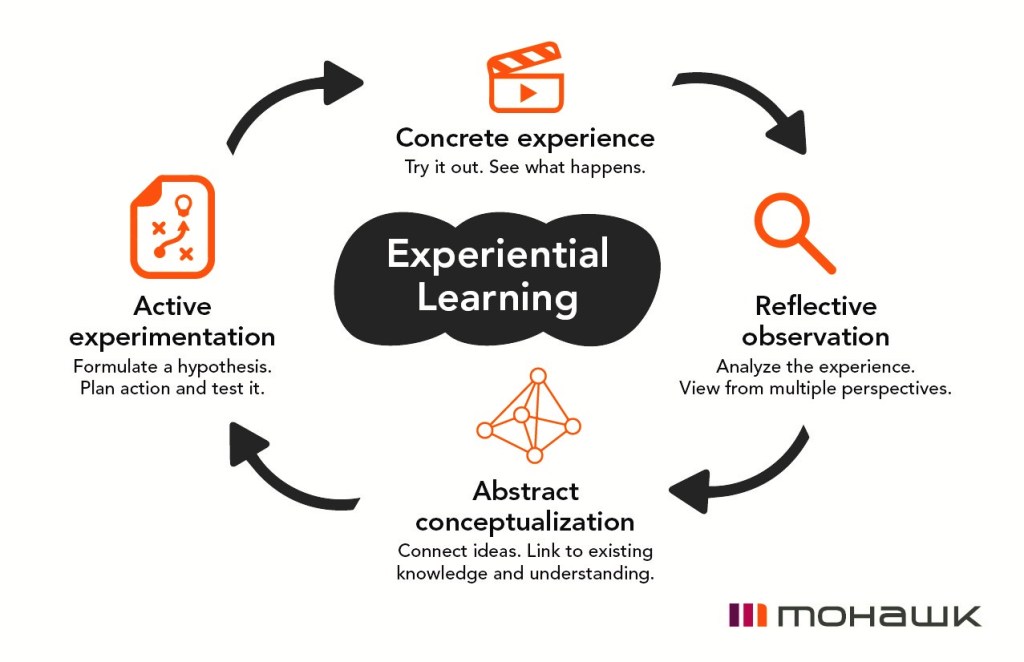
Experiential learning is a powerful tool for teaching and retaining knowledge. It’s a process that engages students in hands-on activities, allowing them to learn through experience. Unlike traditional classroom learning, experiential learning involves active participation and reflection on individual experiences. There are several benefits to experiential learning. Firstly, it promotes critical thinking skills by encouraging…
-
“Revolutionizing Education: Project-Based Learning Prepares Students for Real-World Success”
Project-Based Learning, or PBL, is a teaching method that focuses on hands-on learning experiences for students. Instead of traditional lectures and exams, students are given projects and tasks that require them to apply their knowledge in real-world scenarios. In my experience as a writer and journalist, I have come across many schools that have adopted…
 Alternative Amie