Tag: critical thinking
-
Unlocking Minds: The Power of the Socratic Method in Alternative Education

The Socratic method, a form of inquiry-based learning that encourages critical thinking and active student engagement, can be applied in various educational settings. In this panel discussion-style post, we will explore the geographic-based subtopics of the Socratic method and its potential impact on alternative schooling and education. 1. Applying the Socratic method in urban schools:…
-
“Alternative Schools: Tailored Education for Thriving Students”

In recent years, there has been a growing interest in alternative schooling and education methods. As traditional classroom settings may not suit every child’s learning style or needs, parents and educators are exploring different approaches to ensure that each child receives a quality education. One such approach is the concept of alternative schools. Alternative schools…
-
Unlocking the Potential of Alternative Education: Nature-Based Learning

Nature-Based Learning: Unlocking the Potential of Alternative Education In recent years, alternative education methods have gained popularity as parents and educators seek to provide a more holistic and experiential approach to learning. One such method that has emerged is nature-based learning, which emphasizes outdoor experiences and environmental education as a means of fostering curiosity, creativity,…
-
Unlocking the Power of Collaborative Writing: Boosting Communication, Critical Thinking, and Creativity in Education

Collaborative writing is a powerful educational tool that promotes teamwork, critical thinking, and creativity. It allows students to work together on a shared piece of writing, pooling their ideas and skills to create something greater than what they could achieve individually. In this article, we will explore the benefits of collaborative writing and provide some…
-
“Empower Yourself: Embrace Self-Directed Learning for a Lifelong Education Journey”

Self-directed learning is an empowering approach that allows individuals to take control of their own education and pursue knowledge based on their interests and goals. This method encourages autonomy, critical thinking, and lifelong learning. One of the key benefits of self-directed learning is flexibility. Unlike traditional schooling, where students follow a predetermined curriculum, self-directed learners…
-
Julia Roberts: Championing Alternative Education for her Children

Julia Roberts: Embracing Alternative Schooling and Education for her Children Julia Roberts, the renowned Hollywood actress known for her remarkable performances in movies such as “Pretty Woman” and “Erin Brockovich,” is not only an accomplished artist but also a passionate advocate for alternative schooling and education. With three children of her own, Julia has taken…
-
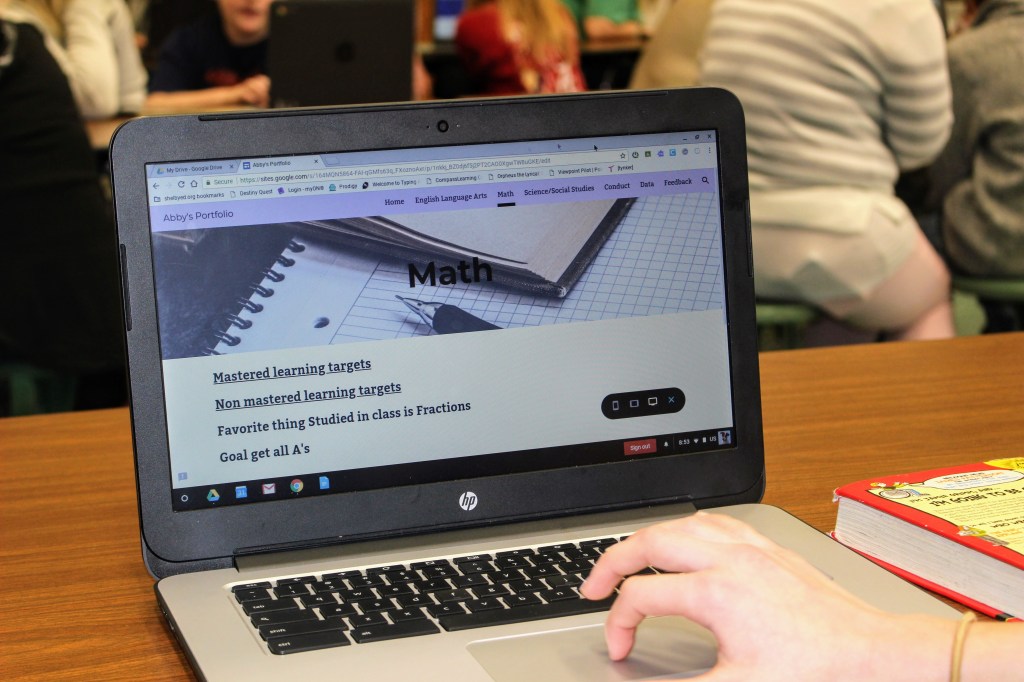
Digital Portfolios: Unveiling the Power of Alternative Education In today’s rapidly evolving world, traditional education systems are being challenged like never before. As a result, alternative schooling and education options have gained significant popularity among students and parents alike. One such innovative tool that has revolutionized the way we showcase learning is the digital portfolio.…
-
“Unleashing the Power of Questions: The Pedagogy of Questioning for Critical Thinking and Lifelong Learning”
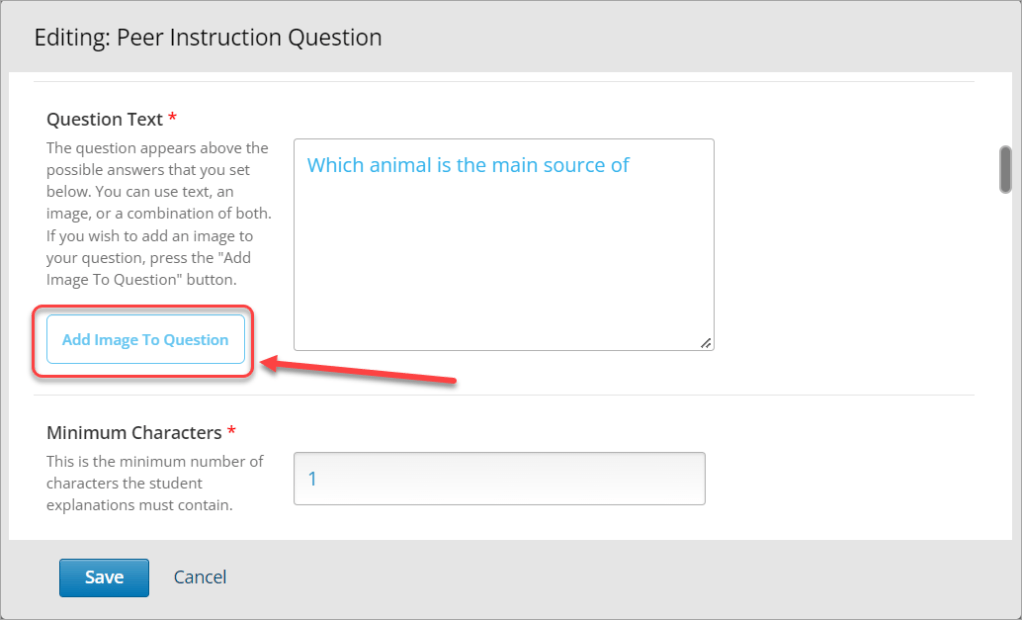
Pedagogy of questioning is a teaching approach that emphasizes the importance of asking questions as a means to promote critical thinking and engage students in the learning process. It is an approach that goes beyond simply providing answers to questions, but instead focuses on encouraging students to think deeply about what they are learning and…
-
15 Reasons Why Project-Based Learning is a Valuable Tool for Alternative Schooling and Education

Project-based learning (PBL) is a teaching method that has gained popularity in recent years. It’s an approach to education that focuses on student-centered learning, where students work on projects that involve real-world problems or challenges. In this article, we’ll explore 15 reasons why project-based learning is a valuable tool for alternative schooling and education. 1.…
-
Unleashing the Power of Curiosity: The Benefits of Inquiry-Based Learning

Inquiry-based learning is an approach to education that prioritizes the student’s curiosity, interests, and questions. It encourages students to explore topics in depth by asking questions, seeking answers through research and experimentation, and making connections between different ideas. This model of learning has been gaining popularity in recent years as more educators recognize its benefits…
 Alternative Amie