Tag: critical thinking
-
Unlocking Success: The Power of Communication Skills
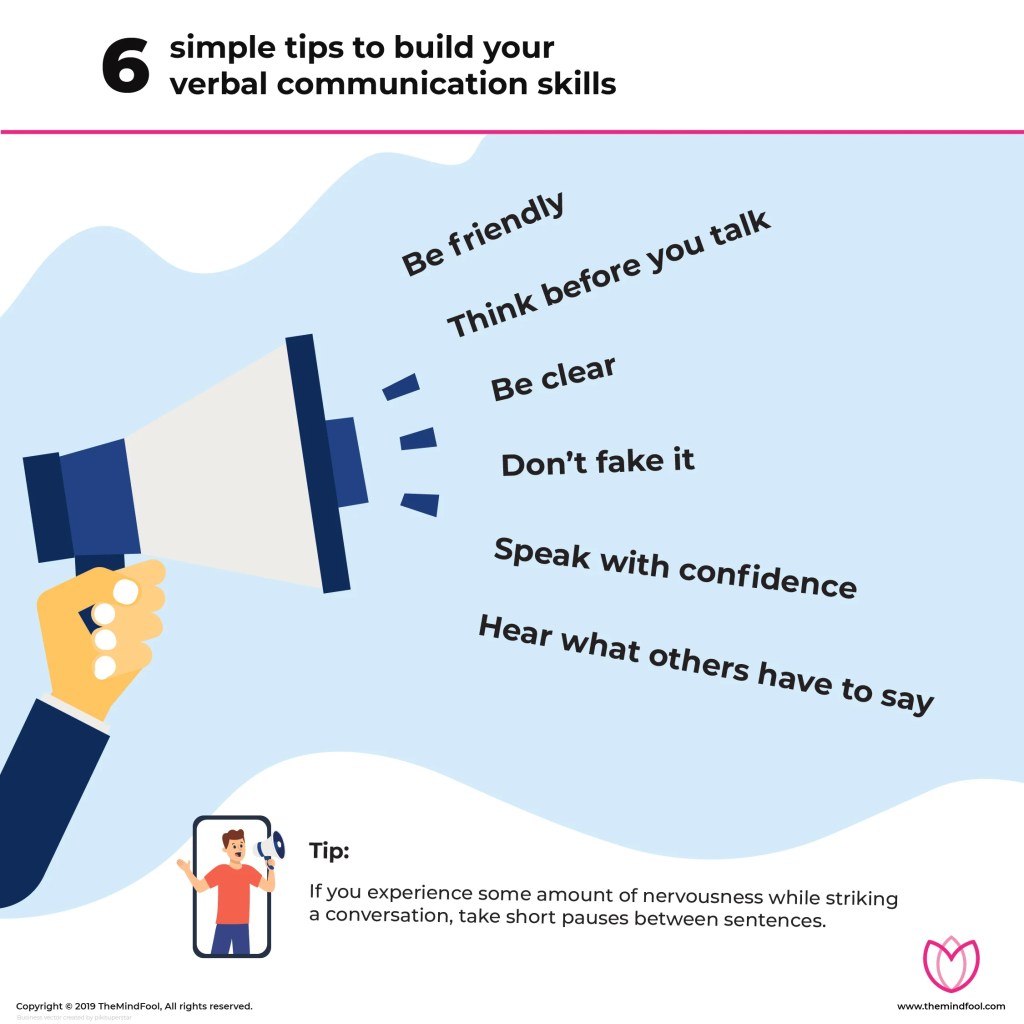
Communication Skills: Unlocking the Path to Success In today’s rapidly evolving world, effective communication has become more crucial than ever before. The ability to convey ideas, thoughts, and emotions in a clear and concise manner can make all the difference in personal relationships, professional endeavors, and overall success in life. Alternative schooling and education play…
-
Unleashing the Power of Socratic Seminars: Transforming Education Through Critical Thinking and Collaboration

Socratic Seminars: Encouraging Critical Thinking and Collaboration in Education Education is not just about acquiring knowledge; it’s also about developing essential skills such as critical thinking, effective communication, and collaboration. Conventional teaching methods often prioritize the transmission of information from teacher to student, leaving little room for students to actively engage with the material or…
-
Navigating Bias and Subjectivity: Strategies for Fair Peer Assessments

Addressing Bias and Subjectivity in Peer Assessments Introduction Peer assessments are an integral part of alternative schooling and education. They provide students with the opportunity to evaluate their peers’ work, fostering a sense of collaboration, critical thinking, and self-reflection. However, like any form of assessment, peer assessments can be influenced by bias and subjectivity. In…
-
“Collaborative Problem-Solving: Empowering Students for Real-Life Success”
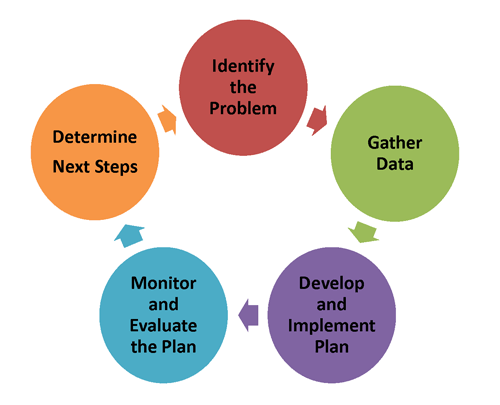
Collaborative problem-solving is a powerful tool that nurtures critical thinking, communication skills, and teamwork. In traditional educational settings, the emphasis often lies on individual achievement and competition. However, alternative schooling and education methods recognize the importance of collaboration in preparing students for real-life challenges. When students engage in collaborative problem-solving activities, they learn to listen…
-
“Project-Based Learning: Empowering Students for Success through Engagement and Collaboration”
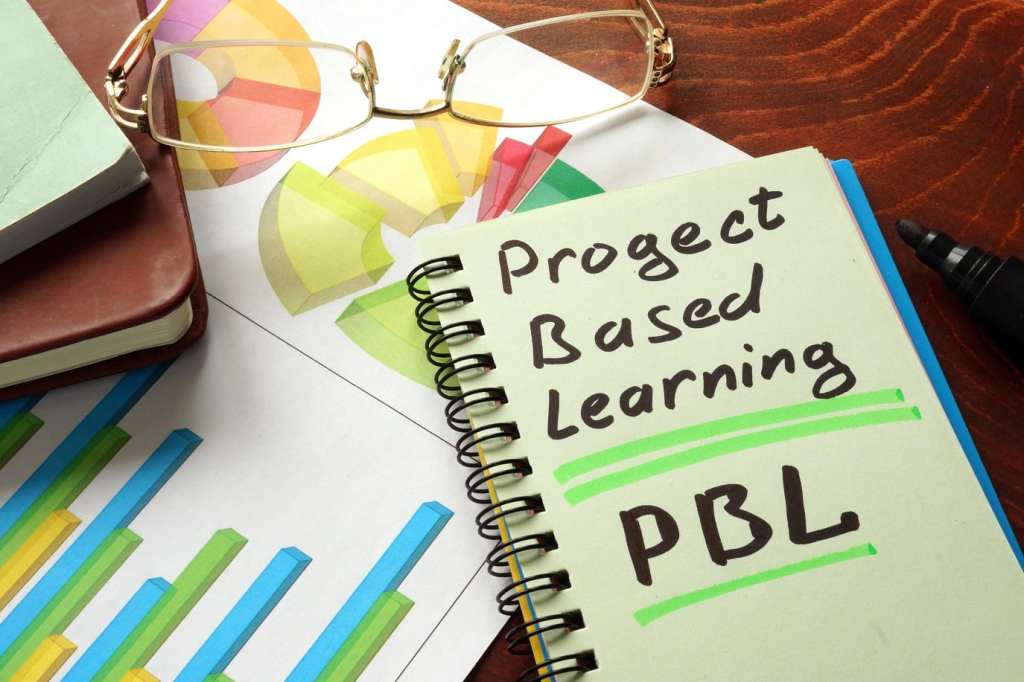
Project-based learning is a highly effective educational approach that engages students in hands-on, real-world activities to develop essential skills and knowledge. Unlike traditional classroom instruction, project-based learning focuses on inquiry, problem-solving, collaboration, and critical thinking. One of the key benefits of project-based learning is its ability to foster student motivation and engagement. By allowing students…
-
Unschooling: Cultivating Skills for Entrepreneurial Success

Unschooling and Entrepreneurship: Nurturing Skills for Success In traditional education, students follow a structured curriculum, attend classes, and take tests to demonstrate their knowledge. However, an alternative approach called unschooling has gained popularity over the years. Unschooling is a method of education that allows children to pursue their interests and passions without adhering to a…
-
Unlocking Learning Potential: The Power of Experiential Education
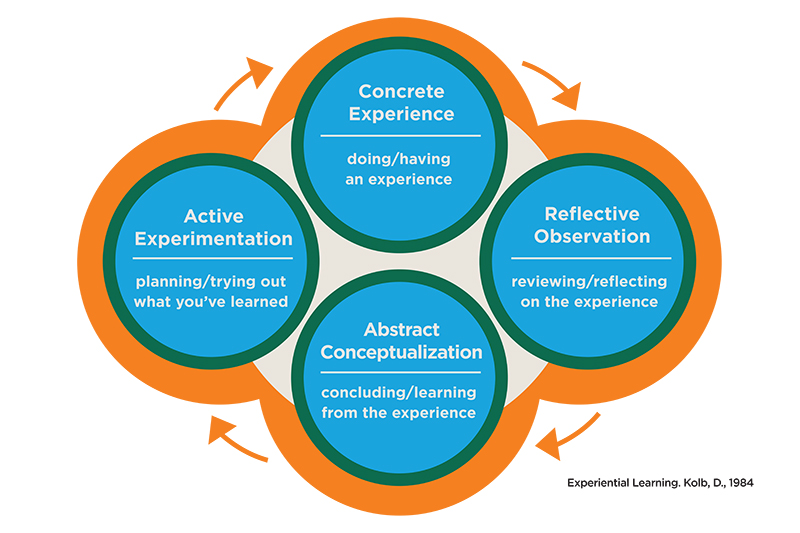
Panel Discussion: Exploring the Benefits of Experiential Education Introduction: Welcome to today’s panel discussion on experiential education. With traditional classroom-based learning being challenged by alternative educational approaches, experiential education has gained significant attention in recent years. Today, we have gathered a group of experts from various fields to discuss the benefits and impact of this…
-
The Power of Arts: Transforming Alternative Education

The Importance of Arts in Alternative Education Introduction: Alternative education is a growing movement that seeks to provide students with unique learning experiences outside the traditional classroom setting. It encourages creativity, critical thinking, and problem-solving skills by offering unconventional methods of instruction. One integral aspect of alternative education is the inclusion of arts in the…
-
Unlocking the Power of Peer Assessment: A Game-Changer in Alternative Education
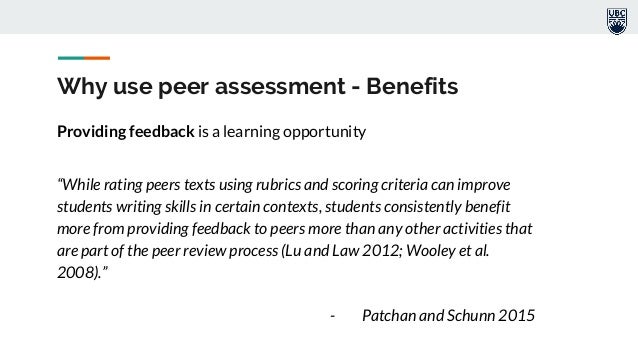
Peer assessment is a valuable tool in alternative schooling that offers numerous benefits to students. Unlike traditional education systems where teachers are solely responsible for evaluating student work, peer assessment encourages students to actively engage with their peers’ assignments and provide constructive feedback. This process not only enhances learning but also fosters independence, critical thinking,…
-
Unleashing the Power of Authentic Assessment: Beyond Traditional Methods for Meaningful Learning

Authentic assessment is a powerful tool in alternative schooling and education that goes beyond traditional methods of evaluating student learning. It focuses on real-world application of knowledge and skills, allowing students to showcase their abilities in a meaningful way. Unlike standardized tests or multiple-choice exams, authentic assessment encourages critical thinking, problem-solving, and creativity. It enables…
 Alternative Amie