Tag: Critical thinking skills
-
“Boosting Brains and Bodies: Movement and Physical Activity Transform Education”
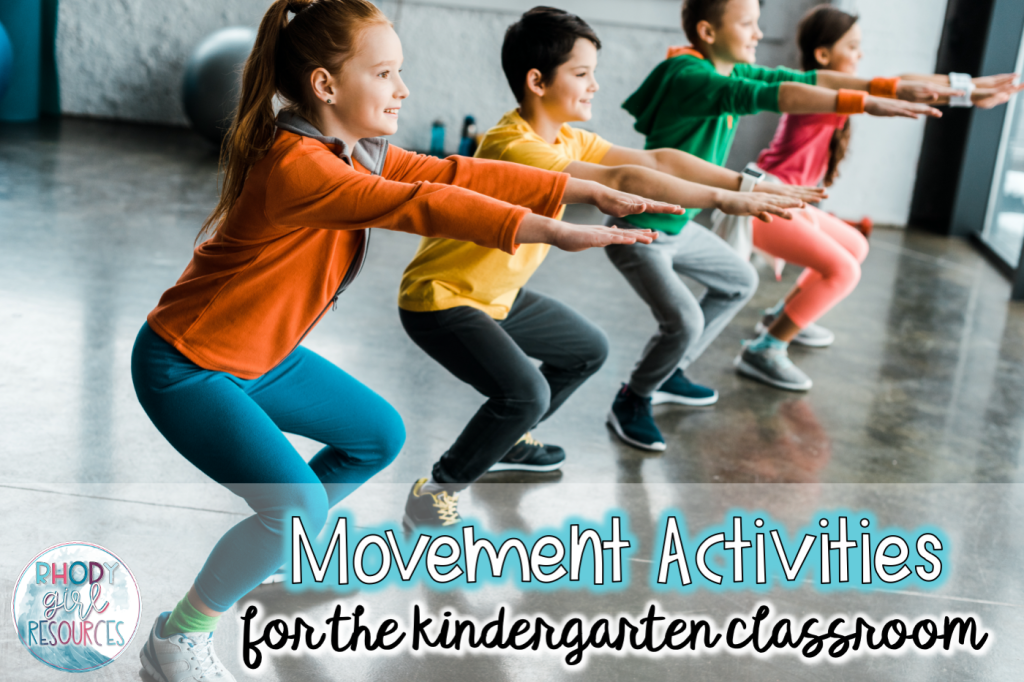
Movement and Physical Activity in Learning: Enhancing Education Through Active Engagement In recent years, there has been a growing recognition of the crucial role that movement and physical activity play in enhancing learning. Traditional classroom settings often confine students to their desks for long periods, limiting their opportunities for physical engagement. However, alternative schooling approaches…
-
Embracing Diversity in Alternative Schooling: Multicultural Perspectives Enrich Classical Education Curriculum Design

Multicultural Perspectives in Classical Education Curriculum Design: Embracing Diversity in Alternative Schooling Introduction: In recent years, there has been a growing emphasis on the inclusion of multicultural perspectives in education. As alternative schooling gains popularity, it is essential to explore how classical education curriculum design can embrace diversity and promote a more inclusive learning experience.…
-
Unlocking the Power of Hands-On Education: Experiential Learning

Experiential Learning: Unlocking the Power of Hands-On Education Education is constantly evolving, and as parents and educators seek alternative ways to nurture young minds, experiential learning has emerged as a powerful educational approach. Experiential learning goes beyond traditional classroom teaching methods by emphasizing hands-on experiences that actively engage students in their own learning process. What…
-
Harnessing the Power of Self-Assessment and Self-Reflection in Alternative Education

Self-assessment and self-reflection are powerful tools in the learning process. They allow individuals to take ownership of their own education, develop a deeper understanding of themselves as learners, and identify areas for growth and improvement. In alternative schooling and education settings, where students often have more autonomy over their learning experiences, self-assessment and self-reflection play…
-
Empowering Students through Entrepreneurship Unit Studies: A Path to Success in Alternative Education

Entrepreneurship Unit Studies: Empowering Students through Alternative Education Introduction: In today’s rapidly evolving world, traditional education often falls short in preparing students for the challenges of the real world. As a result, alternative forms of schooling are gaining popularity, offering more practical and hands-on approaches to learning. One such approach is entrepreneurship unit studies, which…
-
“Empowering Rural Students: The Rise of Democratic Education and its Impact on Learning Experiences”

Democratic education in rural communities is a growing movement that aims to provide equal educational opportunities and empower students to become active citizens in their communities. This approach focuses on promoting student autonomy, critical thinking skills, and democratic decision-making processes within the school community. In this article, we will explore various aspects of democratic education…
-
“Alternative Education: Empowering Students Through Project-Based Learning, Technology, Montessori Approach, Outdoor Education, and Art Integration”

Project-based learning is a cornerstone of alternative schools. Unlike traditional education, where students often passively receive information, project-based learning encourages students to actively engage in hands-on projects that are relevant and meaningful to their lives. This approach allows students to develop critical thinking skills, problem-solving abilities, and effective collaboration techniques. By working on real-world projects,…
-
“Unleashing the Power of Open Access: Revolutionizing Education and Empowering Students Worldwide”

Open access journals and articles have revolutionized the way knowledge is shared and disseminated in the academic world. As educational resources, they are invaluable tools for both educators and students looking to expand their understanding of various subjects. One of the main advantages of open access journals is that they are freely available to anyone…
-
Unleashing Potential: Performance-Based Assessment Revolutionizes Student Evaluation
Performance-based assessment is an alternative approach to evaluating students’ knowledge, skills, and abilities. Unlike traditional methods that rely heavily on written exams and standardized tests, performance-based assessment focuses on real-world application of concepts and encourages active engagement in the learning process. One key feature of performance-based assessment is its emphasis on authentic tasks or projects.…
-
“Engaging Education: Exploring the Benefits of Alternative Schooling Communities”

Project-based learning in alternative schools is a popular approach that emphasizes hands-on, real-world experiences to engage students in their education. These schools provide students with opportunities to work on long-term projects that require critical thinking, problem-solving, and collaboration skills. One of the key benefits of project-based learning is that it allows students to take ownership…
 Alternative Amie