Tag: Critical thinking skills
-
Revolutionizing Education: The Power of Open-Source Tools

Open-source hardware and software tools have revolutionized the world of education by offering innovative, accessible, and cost-effective solutions for alternative schooling and learning environments. These tools are designed to promote collaboration, creativity, and critical thinking skills among students while also providing educators with customizable resources to enhance their teaching methods. By leveraging open-source technologies, schools…
-
Empowering Education: The Rise of Project-Based Learning
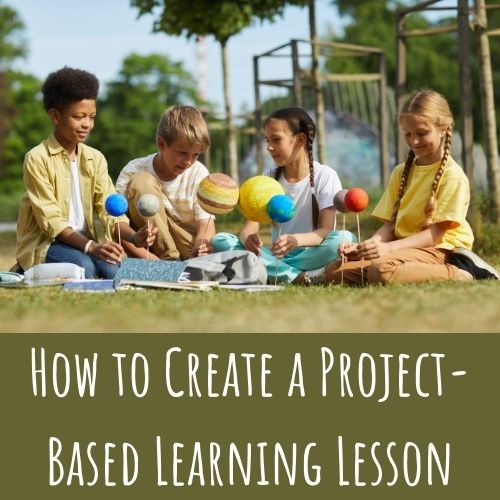
Project-based learning (PBL) is an innovative approach to education that has gained momentum in recent years. Rooted in the belief that students learn best through hands-on, real-world experiences, PBL shifts the focus from rote memorization and standardized testing to active engagement and collaboration. One of the key principles of project-based learning is its emphasis on…
-
Embracing Cultural Diversity in Dual Enrollment: Key to Academic Success

Cultural diversity is a crucial aspect of education, especially in dual enrollment settings where high school students have the opportunity to earn college credits. In these environments, students from various backgrounds come together to learn and grow academically. This diversity not only enriches the educational experience but also prepares students for the multicultural world they…
-
Level Up Learning: Game-Based Strategies Boost Engagement in Alternative Education
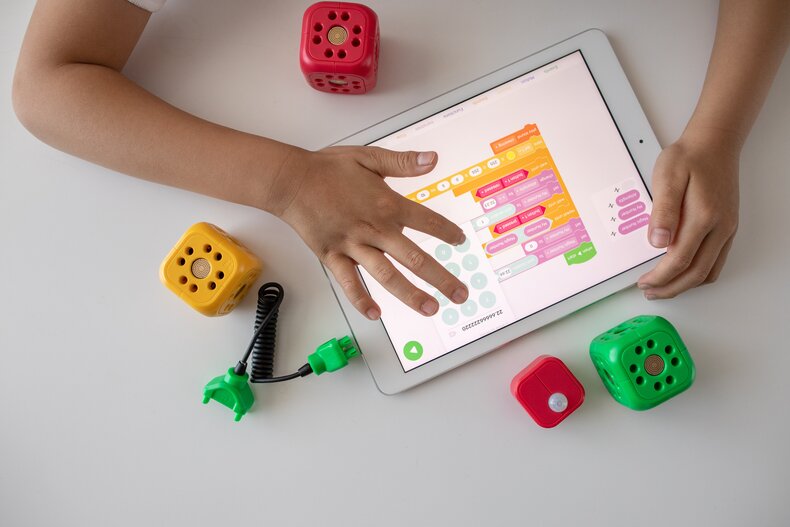
Game-based learning strategies have become increasingly popular in alternative education settings as a way to engage students and enhance their learning experiences. By incorporating elements of games into the curriculum, educators can create a more dynamic and interactive environment that encourages active participation and critical thinking. One key benefit of game-based learning is its ability…
-
Empowering Education: The Rise of Child-Led Learning

In a traditional education system, children are often expected to conform to standardized curricula and teaching methods. However, there is a growing movement towards child-led learning that recognizes the unique interests, strengths, and pace of each individual child. This approach empowers children to take control of their own education, fostering a love for learning and…
-
Navigating the Transition: From Alternative Schooling to College Success

Transitioning to college life is a significant milestone in many young adults’ lives. For those coming from alternative schooling and education backgrounds, this transition may present unique challenges and opportunities. Whether you were homeschooled, attended a Montessori school, or participated in another non-traditional educational setting, the shift to college can be both exciting and intimidating.…
-
Empowering Students: The Value of Peer Assessment in Self-Regulated Learning
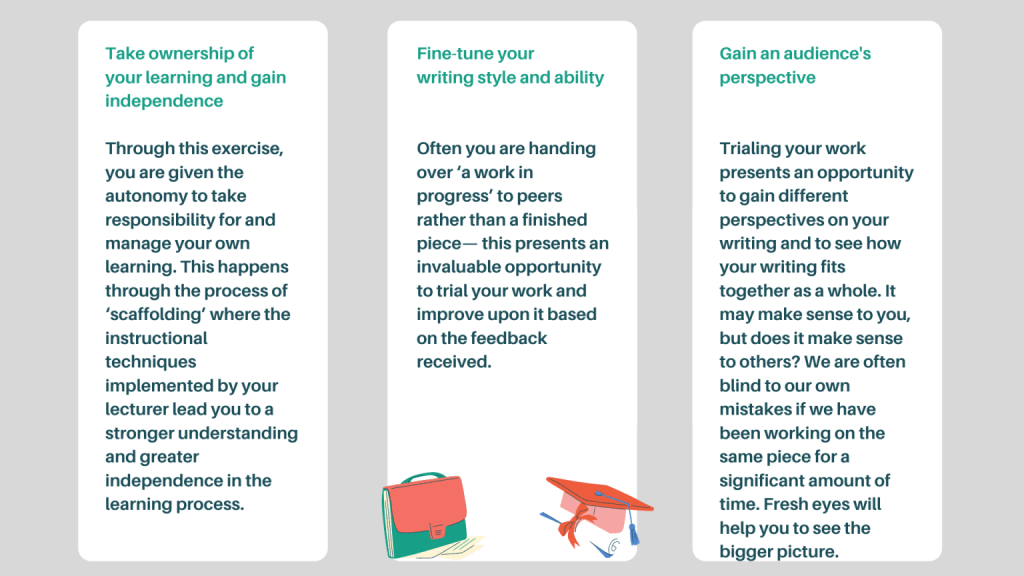
Peer assessment is a valuable tool in the realm of self-regulated learning, allowing students to take control of their own educational journey while also benefiting from the perspectives and feedback of their peers. This collaborative approach not only enhances academic performance but also fosters important skills such as critical thinking, communication, and self-reflection. Self-regulated learning…
-
Empowering Education: Student Choice & Voice Transforming Learning Landscape

Student choice and voice are integral components of alternative education models. In traditional educational settings, students often have limited say in their learning experiences. However, alternative schools prioritize student autonomy and empowerment by providing opportunities for students to make choices about their education and express their thoughts and opinions. One of the key benefits of…
-
Unlocking Potential: The Power of Acceleration in Education

Acceleration in education refers to the practice of allowing students to move through the curriculum at a faster pace than their peers. This approach is often implemented for students who demonstrate advanced abilities and knowledge in certain subjects, enabling them to progress more quickly and delve deeper into challenging material. Acceleration can take various forms,…
-
Unlocking Potential: How Project-Based Learning Empowers Gifted Students

Project-based learning (PBL) is an innovative approach to education that has gained popularity in recent years, particularly for gifted students. This method of teaching allows students to explore complex problems and real-world challenges through hands-on projects, rather than traditional lectures and textbooks. Gifted students, who often crave intellectual stimulation and creative outlets, can greatly benefit…
 Alternative Amie