Tag: Critical thinking skills
-
5 Ways to Cultivate a Collaborative Classroom Culture for Student Success

In today’s educational landscape, cultivating a collaborative classroom culture is essential for students to succeed. It is now widely accepted that learning in isolation doesn’t lead to the highest level of academic success or personal growth. Collaboration helps students develop critical thinking skills and learn how to work efficiently with others towards a common goal.…
-
The Power of Online Discussions for Alternative Education

Online discussions have become a popular means of communication in the digital age, with people from all over the world coming together to share their thoughts and opinions on various topics. From social media platforms to online forums and chat rooms, these discussions allow individuals to express themselves freely and connect with others who share…
-
Unschooling: A Revolutionary Approach to Education
Unschooling: A Different Approach to Education Education is an essential part of life, and in today’s world, it plays a crucial role in shaping the future of individuals as well as society. However, traditional education systems have been criticized for their rigidity and lack of flexibility in catering to individual learning styles. Unschooling offers a…
-
Project-Based Learning: A Hands-On Approach to Education
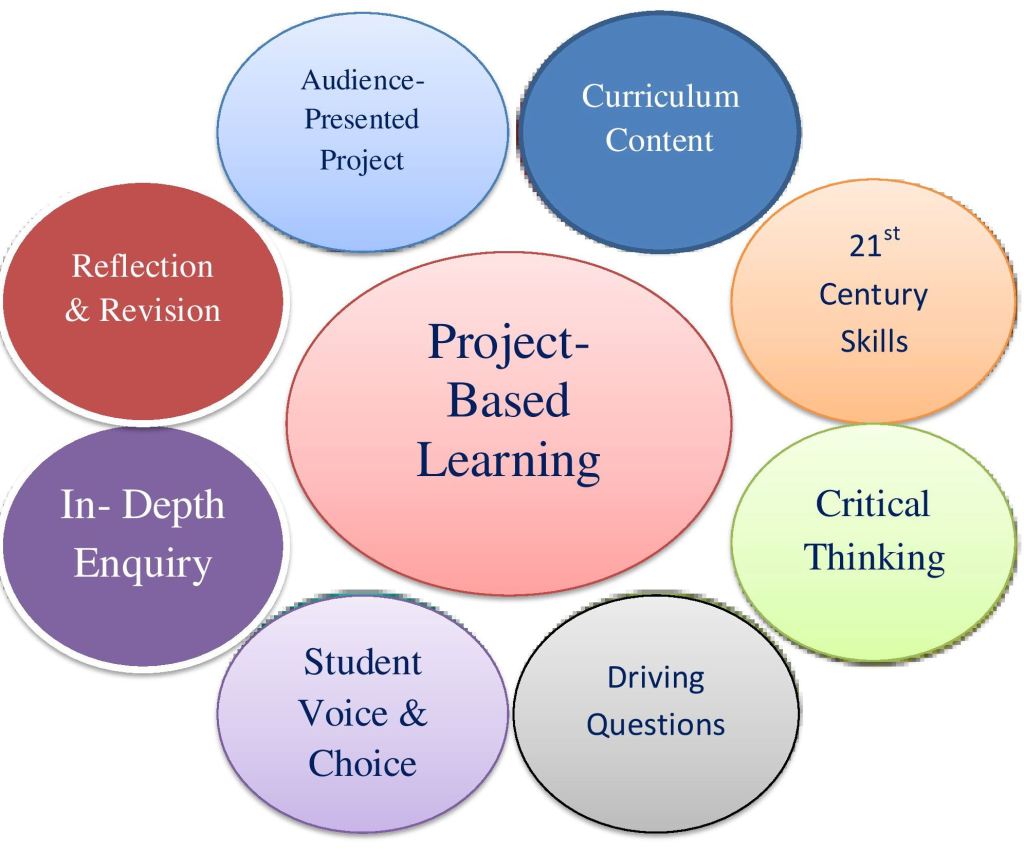
Project-based learning (PBL) is a teaching approach that has been gaining traction in recent years. This method emphasizes student-driven inquiry and hands-on projects to drive learning. Unlike traditional classroom instruction, where students are often passive receivers of information, PBL places students at the center of their own learning experiences. In PBL, students work on projects…
-
Flipped Classroom: Revolutionizing Education by Putting Students in Control
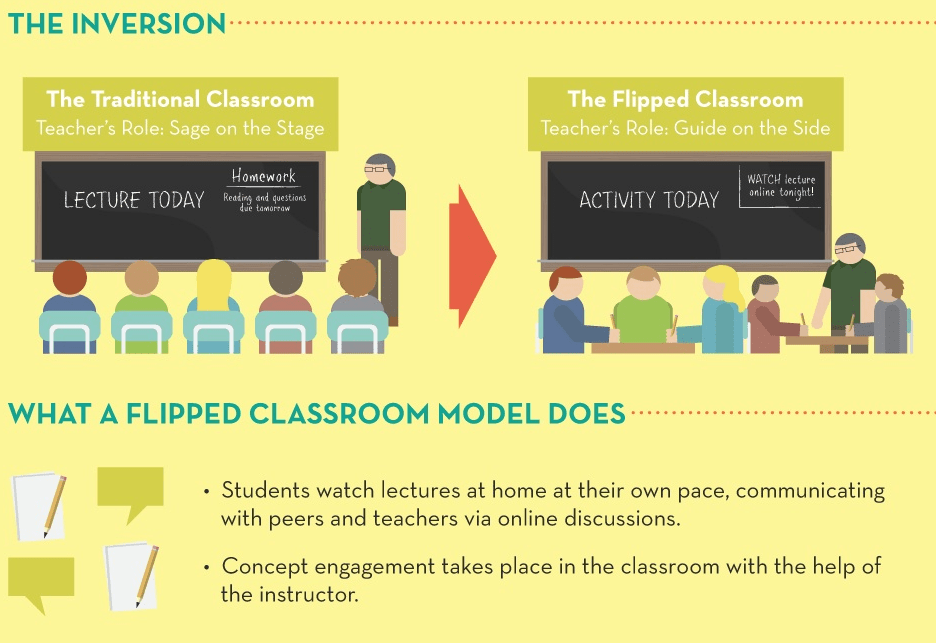
The traditional classroom model has always been a one-size-fits-all approach to education, with the teacher as the primary source of information and the students as passive recipients. However, this approach has its limitations in meeting every student’s individual needs and learning styles. Flipped Classroom is an innovative teaching method that reverses the roles of students…
-
“Transforming Education: The Power of Experiential Learning”
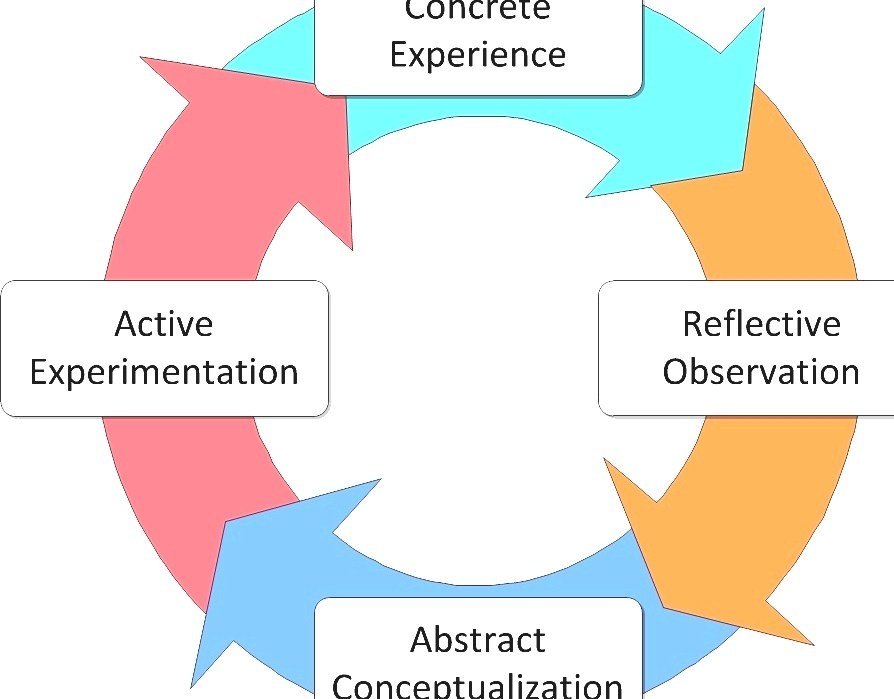
Experiential learning is a hands-on approach to education that involves actively engaging students in real-world experiences. As opposed to traditional classroom-based instruction, experiential learning encourages students to learn through direct experience, reflection, and analysis. The concept of experiential learning has been around for centuries, with philosophers like John Dewey and Jean Piaget advocating for it…
-
Holistic Waldorf Education: A Personalized Approach to Developing the Whole Child

In recent years, alternative educational models have gained popularity as parents and educators seek out more holistic and personalized approaches to education. One such model is Waldorf education, which emphasizes a balanced development of the whole child through an arts-integrated curriculum and a focus on social-emotional learning. While Waldorf schools often cater to middle-class families,…
-
“Experience is the Best Teacher: The Rise of Experiential Learning in Education”
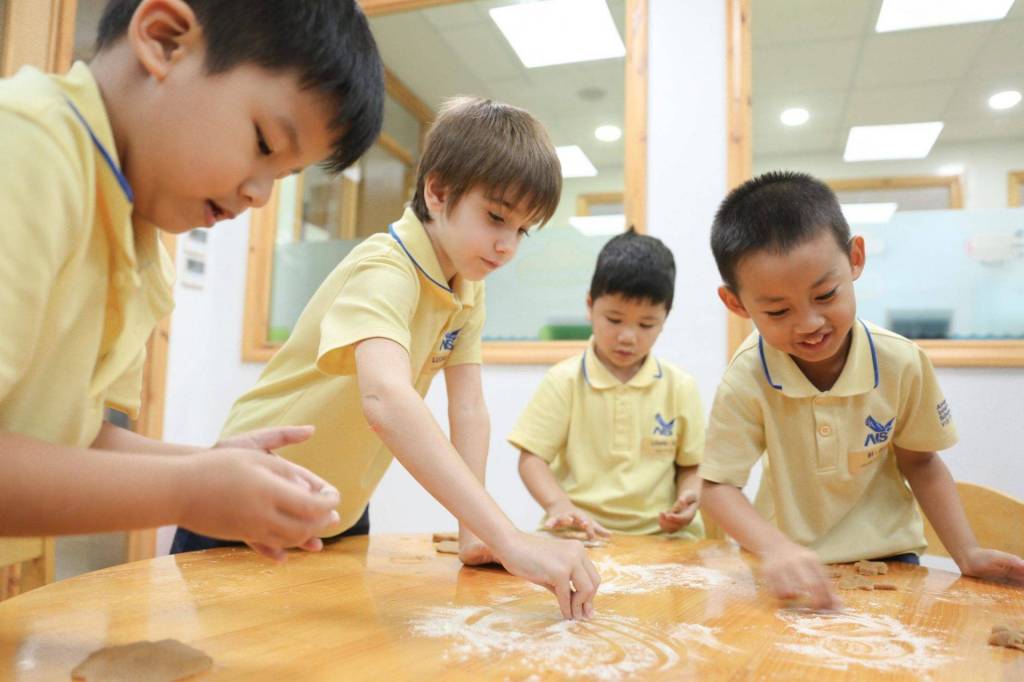
Experiential learning is a unique approach to education that emphasizes practical, hands-on experiences over traditional classroom teaching methods. This type of learning has become increasingly popular in recent years as more and more educators recognize its effectiveness in helping students develop critical thinking skills, problem-solving abilities, and real-world knowledge. One of the primary benefits of…
-
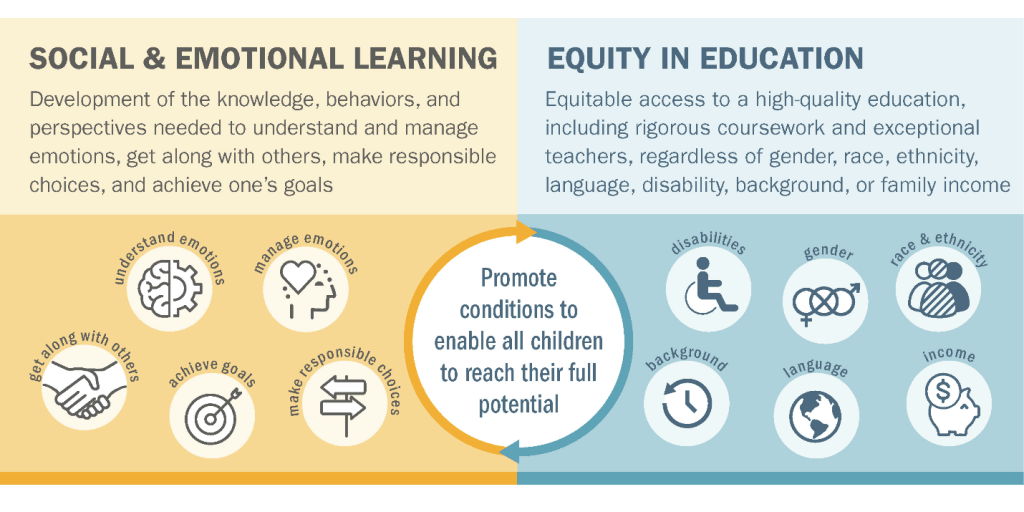
Project-based learning is a powerful method of education that allows students to gain knowledge and skills through hands-on experiences. It can also be a tool for social justice and equity when implemented effectively. One key aspect of project-based learning is choice. Students are given the freedom to choose their projects, which allows them to pursue…
-
Alternative Schools Prioritize Social Justice Issues for Equitable Education and Sustainable Future.
Social justice issues are an important and central aspect of alternative schooling and education. With the aim of creating a more equitable society, alternative schools often focus on addressing systemic inequalities that persist in our society. One major social justice issue is educational inequality. Many students from marginalized backgrounds face obstacles that prevent them from…
 Alternative Amie