Tag: Critical thinking skills
-
“Project-Based Learning: The Engaging Approach to Developing Critical Thinkers and Collaborators”

Project-based learning is a teaching approach that’s becoming increasingly popular in alternative schooling and education. It focuses on students working together to solve real-world problems, often over an extended period of time. This approach allows students to learn through hands-on experience, develop critical thinking skills, and improve social interaction. The first step in project-based learning…
-
Alternative Schooling: Personalized, Creative and Lifelong Learning Experiences.
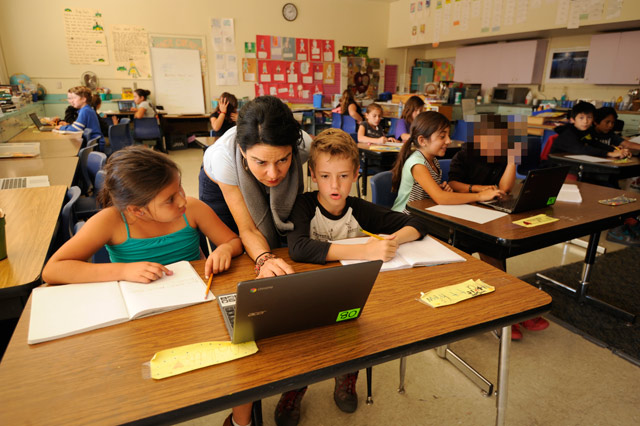
Alternative schooling and education are becoming increasingly popular, as more parents and students seek alternatives to traditional classroom settings. Alternative schools offer many benefits, such as personalized instruction, flexible schedules, and a focus on individual learning styles. One type of alternative education is homeschooling. Homeschooling allows parents to take control of their child’s education by…
-
Experiential Learning: A Historical Perspective on the Power of “Learning by Doing”

Experiential Learning: A Historical Perspective The concept of experiential learning has been around for centuries, and it has played a significant role in the development of education systems throughout history. From ancient Greece to modern-day alternative schools, experiential learning has proven to be an effective method of teaching students. In ancient Greece, philosophers like Socrates…
-
Collaborative Learning: The Ultimate Teaching Method for Boosting Academic Performance and Social Skills!
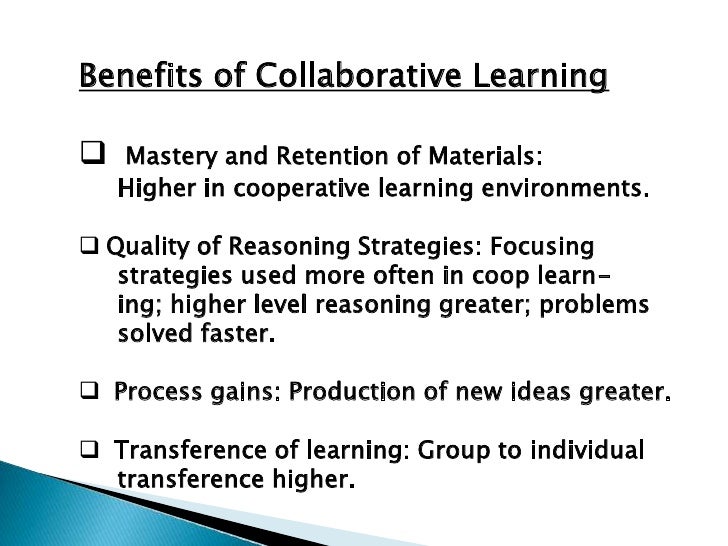
Collaborative learning is a widely used teaching method that encourages students to work together in groups to solve problems, share ideas, and learn from one another. This approach has been proven effective in improving academic performance, enhancing critical thinking skills, and promoting positive social interactions among students. Here are the top 8 benefits of collaborative…
-
Engage Students in Real-World Problem Solving with Project-Based Learning in Blended Classrooms

Project-Based Learning in Blended Classrooms Blended classrooms are becoming increasingly popular, especially in alternative schooling and education. They combine traditional face-to-face instruction with online learning, allowing students to learn at their own pace and using a variety of resources. One instructional approach that works particularly well in blended classrooms is project-based learning (PBL). PBL is…
-
Unleashing Creativity: How Unschooling Can Benefit Young Artists

Unschooling: An Alternative Path for Young Artists As traditional schooling models continue to evolve, alternative education methods are becoming increasingly popular in the United States. One such model is unschooling, a philosophy that allows students to pursue their interests and passions without formal curriculum or structure. This approach offers young artists an opportunity to explore…
-
“Empowering Students: The Benefits of Inquiry-Based Learning”

Inquiry-based learning is an approach to education that puts students at the center of their own learning experience. Rather than being passive recipients of information, students are encouraged to ask questions, investigate problems and work collaboratively to find solutions. At its core, inquiry-based learning is about building a culture of curiosity and exploration in the…
-
Unleashing the Power of Inquiry-Based Learning: A Method for Active Student Engagement

Inquiry-based learning is a teaching method that focuses on student exploration and discovery. It involves asking questions, seeking answers, and engaging in problem-solving activities to gain a deeper understanding of a subject matter. This approach encourages students to take an active role in their education through independent thinking and self-directed learning. What is Inquiry-Based Learning?…
-
“Take Control of Your Learning: The Rise of Self-Directed Education”

Self-directed learning is a form of education where learners take charge of their own learning, setting goals, choosing resources, and evaluating their progress. It is gaining popularity as an alternative to traditional classroom-based education. One of the main benefits of self-directed learning is that it allows learners to focus on topics they are interested in…
-
“Exploring the Unique Benefits of Montessori Education for Child-Centered Learning”

Montessori method, named after its founder Maria Montessori, is a unique educational approach that focuses on child-centered learning. This method was developed in the early 1900s and has since gained popularity worldwide. One of the key features of Montessori education is the use of hands-on activities to teach children. Students are encouraged to learn through…
 Alternative Amie