Tag: Critical thinking skills
-
The Waldorf Method: A Holistic Approach to Education Gains Popularity Among Parents

As parents seek alternative education methods for their children, the Waldorf method has gained popularity. Developed by Rudolf Steiner in 1919, this educational approach emphasizes imagination and creativity as key components in a child’s development. The Waldorf method is based on the idea that children should be educated holistically, with a focus on nurturing their…
-
“Transforming Education: Project-Based Learning Prepares Students for Real-World Success”
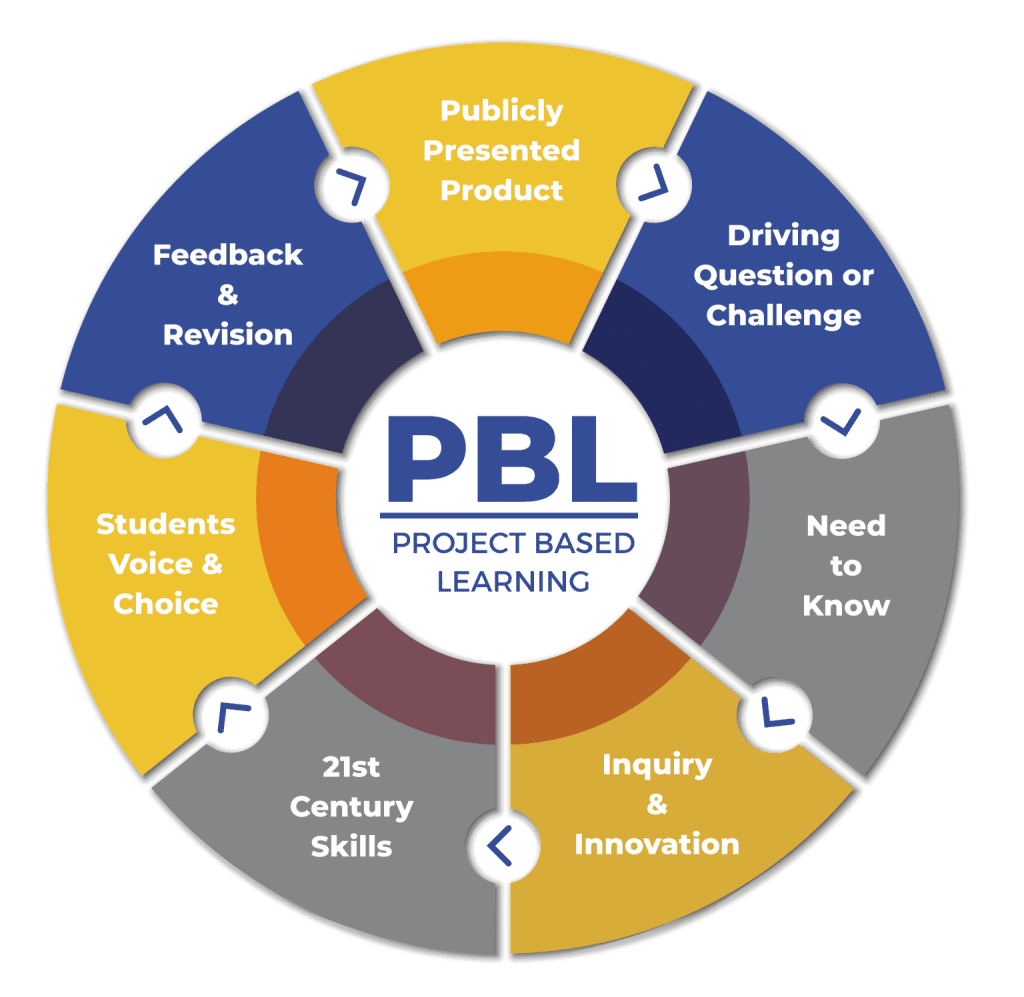
Project-based learning (PBL) is an innovative teaching method that has gained popularity in recent years. It involves students working on a project that requires them to use various skills and knowledge they have acquired in different subject areas. The goal of PBL is to provide students with a more immersive learning experience where they can…
-
Montessori Education: Your Ultimate Guide to Frequently Asked Questions
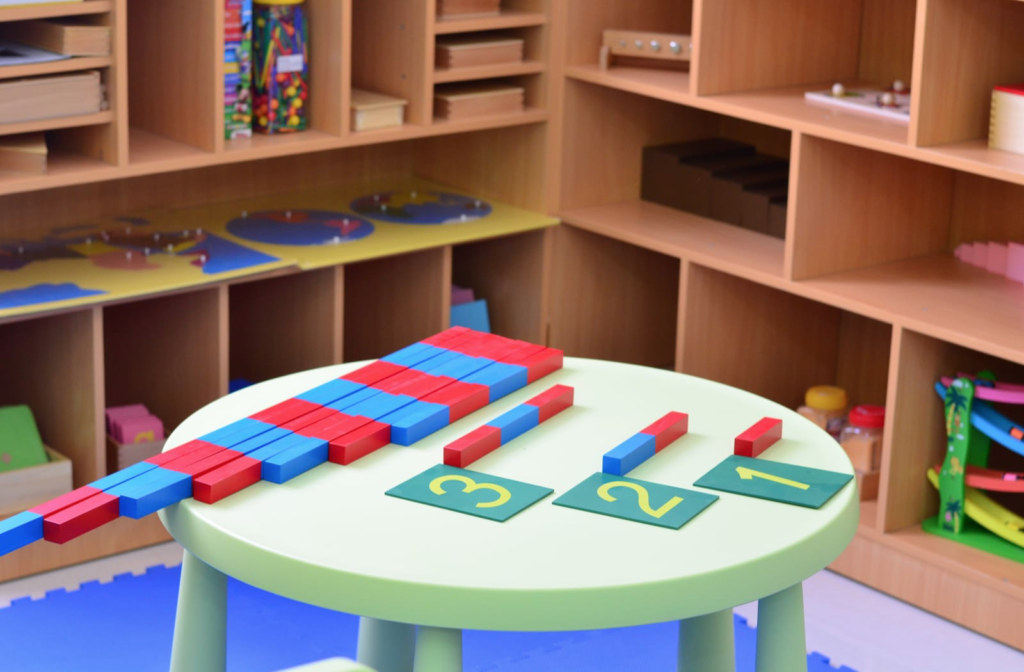
Montessori Education: Frequently Asked Questions Montessori education is a unique approach to learning that has been around for over 100 years. Developed by Italian physician and educator Maria Montessori, it emphasizes independence, self-directed activity, and hands-on learning. If you’re considering Montessori education for your child or just want to learn more about it, check out…
-
Reggio Emilia Approach: A Refreshing Perspective on Education

Reggio Emilia Approach: A Unique and Innovative Learning Experience The Reggio Emilia Approach is an educational philosophy that originated in the city of Reggio Emilia, Italy. It was developed by Loris Malaguzzi, a teacher and educational theorist who believed in providing children with an environment that encourages exploration and creativity. The approach is based on…
-
Immerse Your Students in Learning: A Guide to Hands-On Teaching Methods

Immersion Teaching Methods: A Guide to Hands-On Learning Alternative schooling and education have gained popularity in recent years, with many parents and educators realizing that traditional methods may not be the best fit for every student. One of the most effective approaches to learning is immersion teaching, which involves hands-on experiences that allow students to…
-
“Revolutionizing Education: Project-Based Learning Takes the Lead in Alternative Schools”
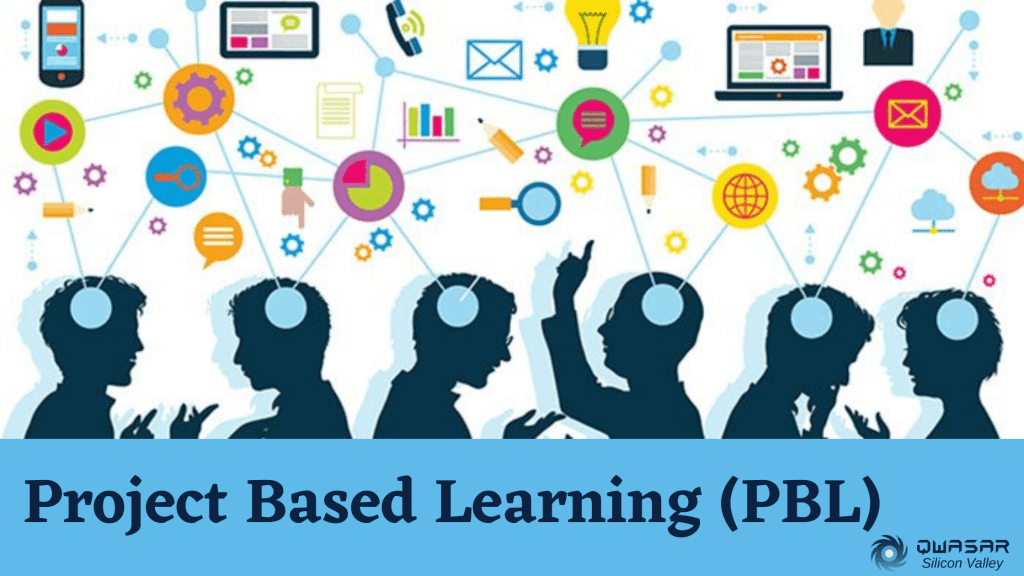
Project-Based Learning: An Effective Approach to Alternative Education In recent years, the traditional education system has been challenged by alternative forms of learning. One such approach that has gained popularity is project-based learning. Project-based learning, or PBL, is a student-centered teaching method where students learn by actively engaging in real-world projects and activities. PBL allows…
-
Engage, Collaborate, and Explore: The Benefits of Project-Based Learning

Project-based learning (PBL) is an innovative approach to education that allows students to learn through the completion of projects rather than traditional classroom lectures. This method encourages students to take ownership of their learning process, work collaboratively with peers, and develop critical thinking skills while exploring real-world problems. One significant advantage of PBL is its…
-
Exploring the World of Democratic Schools: A Memoir

Democratic Schools: A Memoir As a writer and journalist, I have had the privilege to explore and write about different schools and education systems. One of the most fascinating experiences was visiting democratic schools. These institutions are unique in their approach to education, providing students with autonomy over their learning process while emphasizing community involvement…
-
“Experience is the Best Teacher: The Benefits of Experiential Learning in Education”
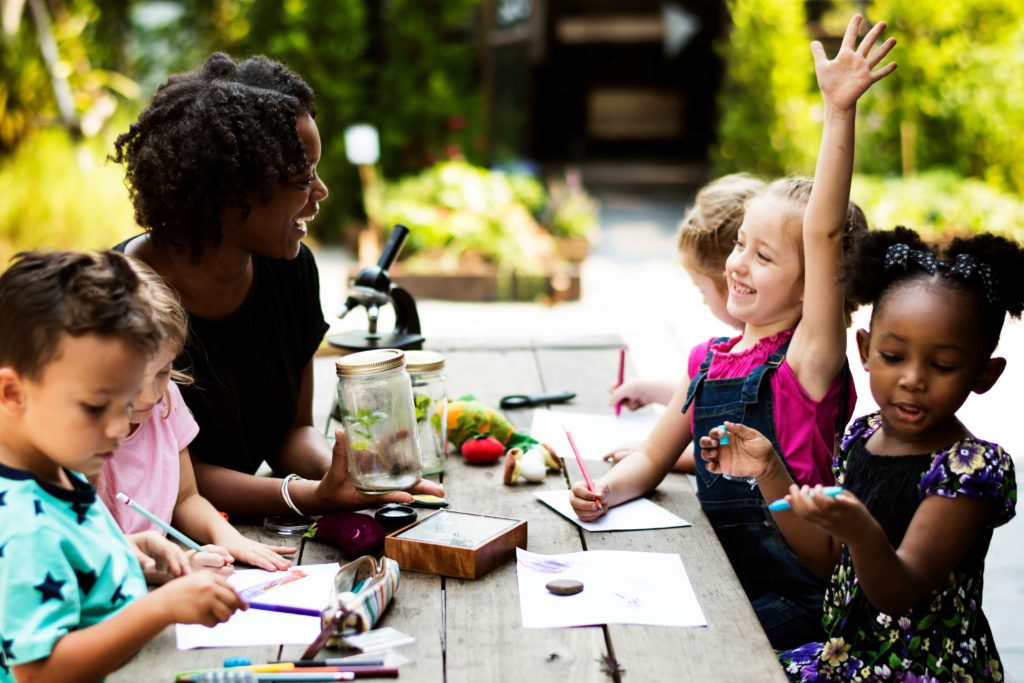
Experiential learning is a unique approach to education that emphasizes learning by doing. It is an effective way to engage students in their studies, providing them with hands-on experiences that allow them to develop critical thinking skills and apply what they have learned in real-world situations. There are many benefits to experiential learning. For one,…
-
Unschooling vs Standardized Testing: Can Self-Directed Learning Prepare Students for Exams?

Unschooling and Standardized Testing: A Comprehensive Look As the traditional school system continues to face scrutiny, more families are turning to alternative forms of education such as unschooling. Unschooling is an approach that allows children to learn through self-directed exploration and experiences rather than following a structured curriculum. However, one question often posed about unschooling…
 Alternative Amie