Tag: Critical thinking skills
-
Empowering Education: The Rise of Project-Based Assessment

Project-based assessment is a form of evaluation that focuses on students’ ability to apply their knowledge and skills to real-world scenarios. Unlike traditional tests or exams that measure rote memorization and regurgitation of information, project-based assessment requires students to demonstrate their understanding through the completion of hands-on projects. In project-based assessment, students are given a…
-
Empowering Education: Harnessing Peer Assessment for Engaged Learning

Incorporating peer assessment in project-based learning can be a powerful tool for enhancing student engagement, promoting critical thinking skills, and fostering a sense of collaboration among learners. In traditional educational settings, teachers are typically the sole authorities responsible for evaluating students’ work. However, peer assessment shifts some of this responsibility to the students themselves, empowering…
-
Embracing Cultural Diversity: Shaping a Brighter Future in Education

Cultural diversity is a term that often evokes images of different races, ethnicities, and backgrounds coming together in harmony. However, it encompasses much more than just these surface-level differences. Cultural diversity refers to the variety of ways in which people identify themselves within a society, including factors such as religion, language, beliefs, values, customs, traditions,…
-
Unlocking Potential: The Power of Robotics in Alternative Education
Robotics is a field that has been rapidly gaining popularity in recent years, with applications ranging from manufacturing and healthcare to education. At its core, robotics involves the design, construction, operation, and use of robots to perform various tasks traditionally carried out by humans. One of the key benefits of teaching robotics in alternative schooling…
-
Unlocking Success: The Power of Unschooling for Teens
Self-directed learning is a key component of unschooling, a form of education that prioritizes individual interests and freedom in learning. This approach allows students to take control of their education by choosing what they want to learn and how they want to learn it. Through self-directed learning, students develop valuable skills such as independence, critical…
-
Exploring the Rise of Alternative Education: Empowering Students for Success
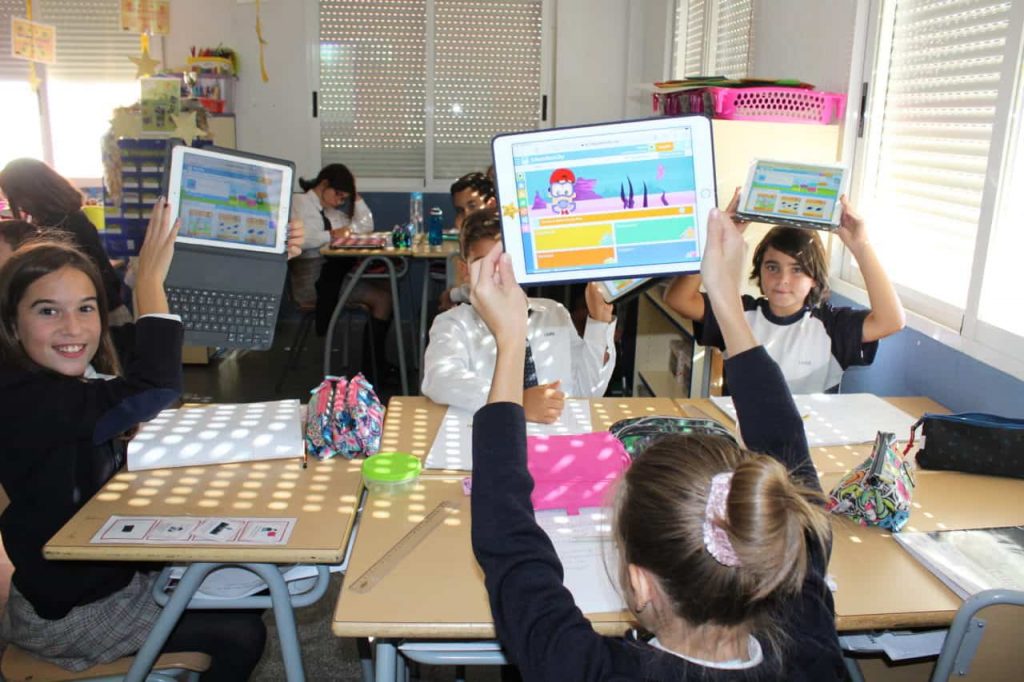
In recent years, there has been a growing interest in alternative education models that prioritize student-led learning, democratic decision-making, and holistic approaches to education. These models aim to create learning environments that foster creativity, critical thinking skills, emotional intelligence, and social responsibility among students. Let’s take a closer look at some key principles and practices…
-
Unleashing Potential: The Power of STEAM Education

STEAM education is a holistic approach to learning that integrates science, technology, engineering, arts, and mathematics into various lessons and activities. By combining these disciplines, students are encouraged to think critically, problem-solve creatively, and collaborate effectively. This interdisciplinary approach not only helps students develop essential skills for the 21st century but also fosters a deeper…
-
Empowering Students Through Holistic Education: Nurturing Mind, Body, and Spirit for a Brighter Future
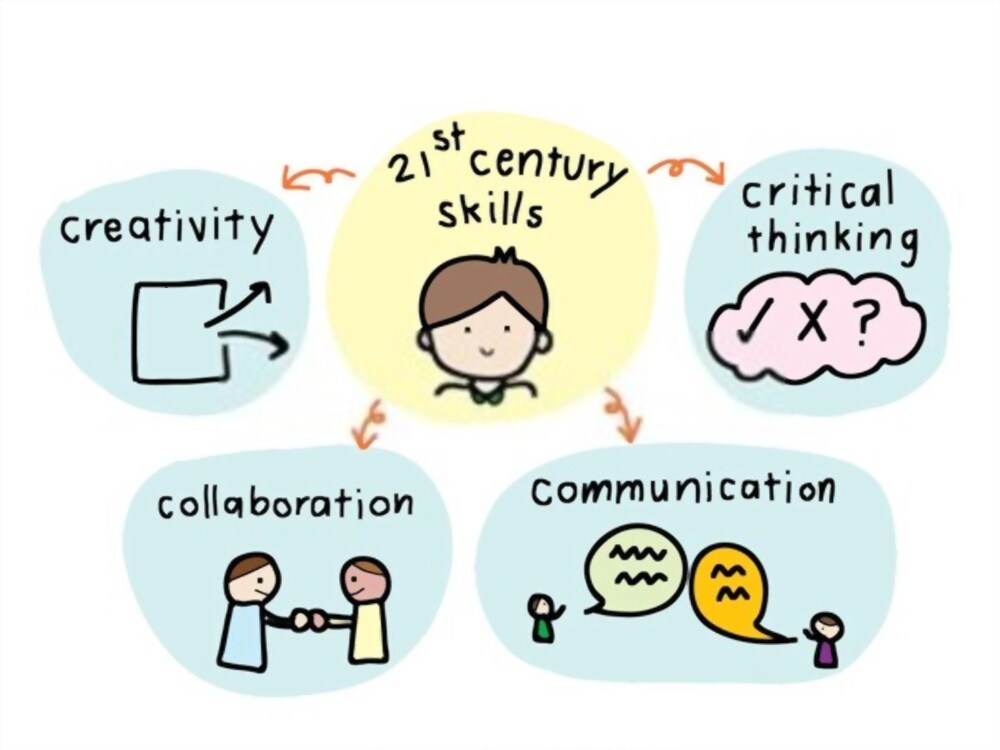
In a world that places a high value on academic achievement, standardized testing, and traditional classroom settings, holistic education offers a refreshing alternative for students seeking a more well-rounded and meaningful learning experience. Holistic education focuses on nurturing the development of the whole individual – mind, body, and spirit – rather than solely emphasizing academics…
-
Empowering Tomorrow’s Changemakers: The Role of Social Justice Education in Alternative Schools

Social justice education is an essential component of alternative schooling and education. It aims to cultivate students who are aware of social inequalities, injustices, and systemic issues in society, and empowers them to become agents of change. By integrating social justice curriculum into the educational framework, schools can create a more inclusive and equitable learning…
-
“Empowering Education: The Impact of Project-Based Learning on Student Engagement and Skills Development”
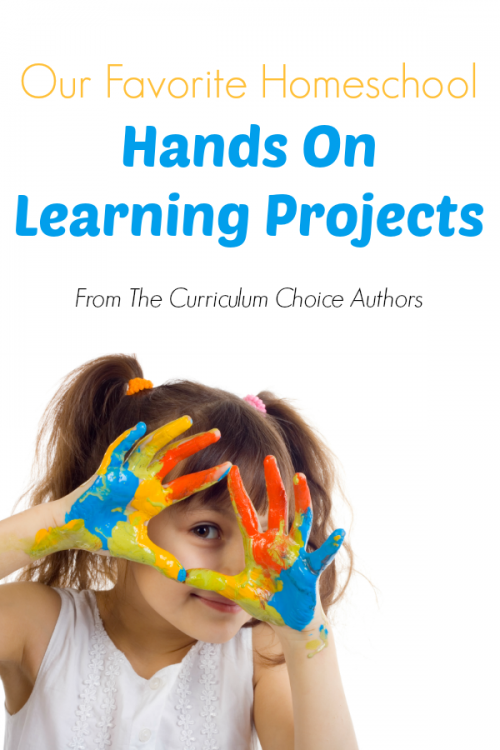
Project-based learning is an innovative approach to education that shifts the focus from traditional lectures and tests to hands-on, real-world projects. In this model, students collaborate on projects that require critical thinking, problem-solving skills, creativity, and teamwork. By working on these projects, students not only acquire academic knowledge but also develop essential life skills such…
 Alternative Amie