Tag: critical thinking
-
How to Teach Critical Thinking Without a Curriculum
Every homeschool parent has that moment of panic: “Am I actually teaching them to think, or just to memorize?” The good news? Critical thinking doesn’t require a specialized curriculum. It requires curiosity, conversation, and a willingness to say “I don’t know — let’s figure it out together.” Why Curriculum Alone Won’t Cut It Packaged critical…
-
The Socratic Method at Home: Teaching Your Child to Think Through Questions, Not Answers
Every parent who chooses alternative education faces the same invisible challenge: how do you teach a child to think critically when the world is designed to reward compliance? The Socratic method — named after the ancient Greek philosopher who preferred questions to answers — offers a remarkably practical solution that works across ages, subjects, and…
-
Will Smith: A Trailblazer in Alternative Education Paths
Will Smith is a renowned actor, producer, and musician who has captivated audiences worldwide with his talent and charisma. Beyond his success in the entertainment industry, Smith’s approach to education and learning is equally praiseworthy. Smith advocates for alternative forms of education that focus on practical skills, critical thinking, and personal development. He believes that…
-
Unlocking Learning Potential: The Power of Visual Education
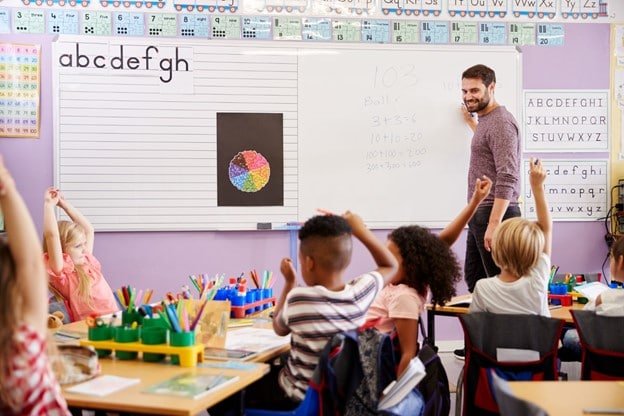
Visual learning is a powerful educational approach that caters to students who learn best through visual aids and representations. This method utilizes images, diagrams, charts, videos, and other visual tools to help students comprehend and retain information more effectively. One of the key benefits of visual learning is its ability to make complex concepts more…
-
Unlocking Student Potential: The Power of Critical Thinking Assessments
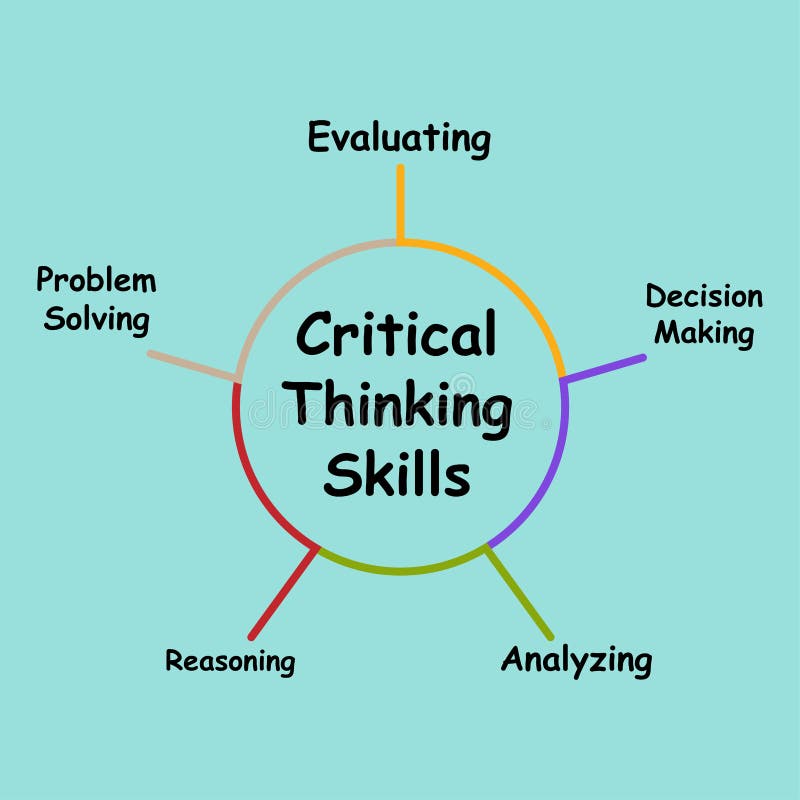
Critical thinking assessments are valuable tools in evaluating a student’s ability to analyze information, think logically, and make informed decisions. These assessments are designed to measure skills such as problem-solving, decision-making, reasoning, and creativity. By assessing critical thinking abilities, educators can gain insight into how well students can apply their knowledge in real-world situations. One…
-
Empowering Education: The Impact of Reflection Journals in Alternative Schooling

Reflection journals are a powerful tool used in alternative schooling and education to encourage students to think critically, process their experiences, and track their personal growth. These journals provide a structured space for students to reflect on their thoughts, feelings, and actions in various learning environments. By engaging in regular reflection through journaling, students can…
-
Unleashing the Power of the Socratic Method: Fostering Critical Thinking Across Subjects and Age Groups
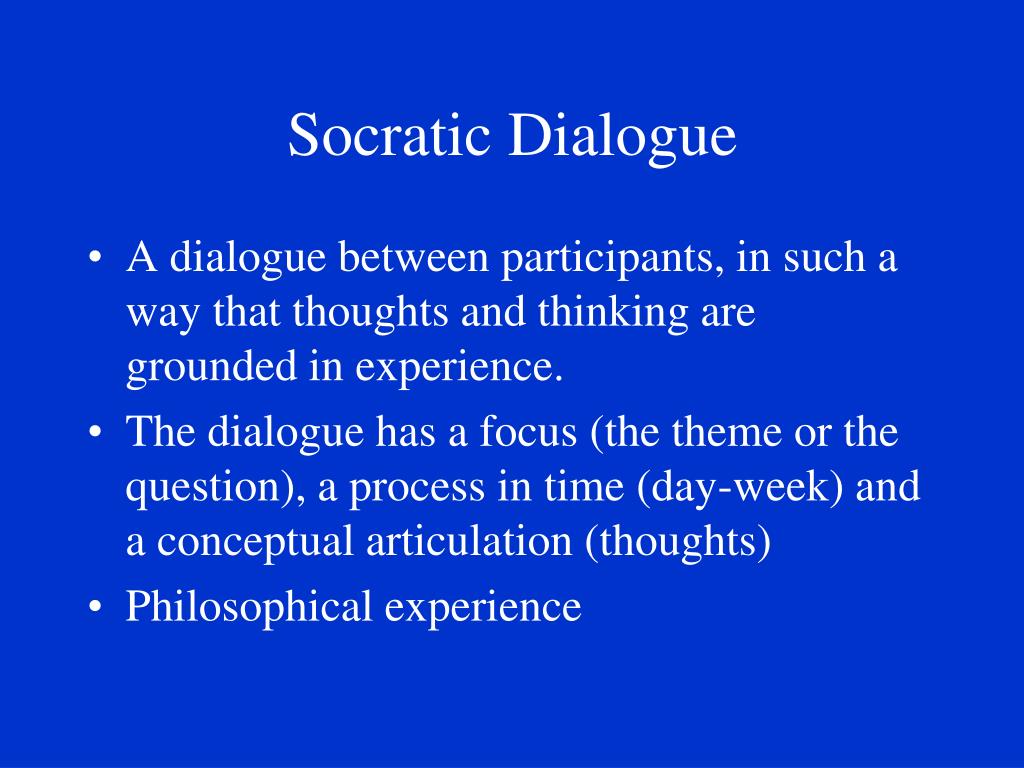
The Socratic method, named after the ancient Greek philosopher Socrates, is a powerful tool for fostering critical thinking and engaging in meaningful dialogue. This method of questioning and discussion has been widely used in education to encourage students to think deeply, analyze information, and develop their reasoning skills. In this article, we will explore various…
-
Alternative Schools Empower Students with Critical Thinking through Logic and Reasoning

Logic and reasoning are essential skills that play a crucial role in shaping our understanding of the world around us. In the realm of education, fostering these abilities is vital for students to become critical thinkers and problem-solvers. Alternative schooling approaches often prioritize logic and reasoning as key components of their curriculum, helping students develop…
-
Empowering Students: Fostering Critical Thinking Skills in Alternative Education Settings
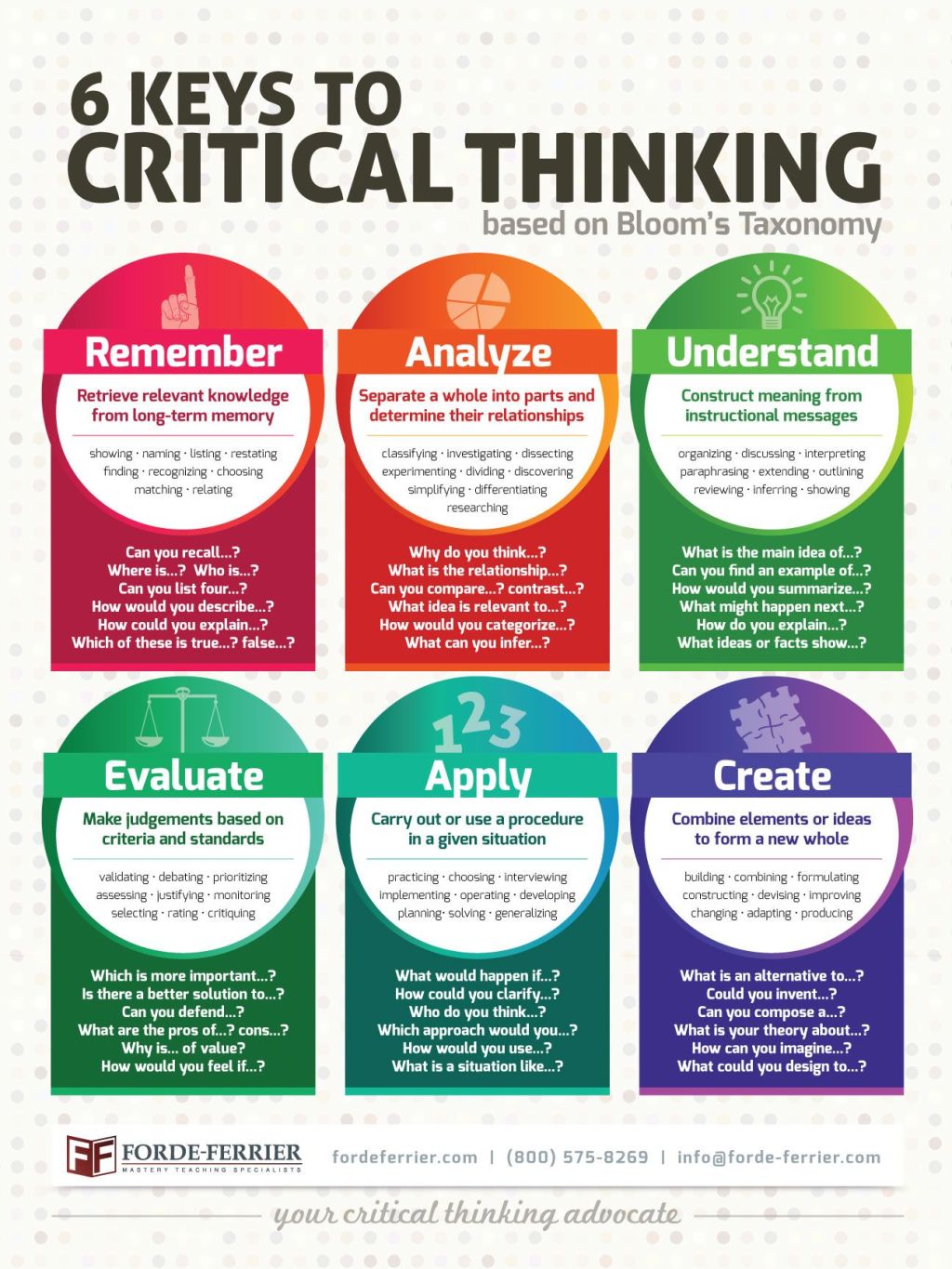
Critical thinking skills are essential for students to develop in order to navigate the complexities of the world and make informed decisions. In alternative schooling and education settings, fostering critical thinking abilities is often a key focus due to the emphasis on independent learning and creative problem-solving. One way to promote critical thinking skills in…
-
“Empowering Education: The Impact of Experiential Learning on Students’ Success”
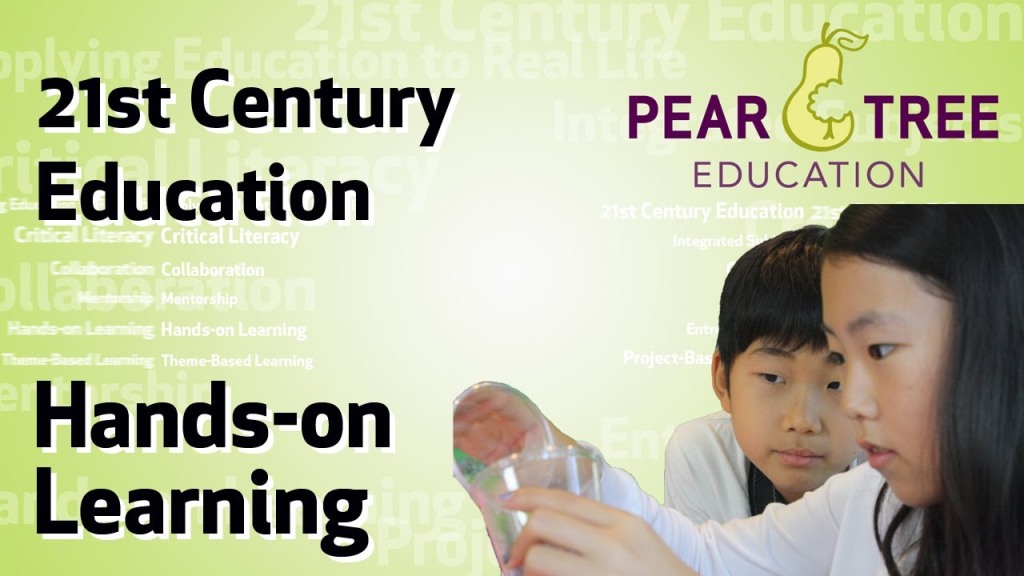
Experiential learning is a powerful educational approach that emphasizes hands-on, real-world experiences as a means of acquiring knowledge and skills. This method goes beyond traditional textbook learning by immersing students in activities that require them to actively engage with the material they are studying. Through reflection, critical thinking, and problem-solving, students can deepen their understanding…
 Alternative Amie