Tag: computer programming
-
Empowering Students Through Project-Based Learning Across Various Subjects

Project-based learning (PBL) is a teaching method that allows students to gain knowledge and skills by actively exploring real-world problems and challenges. By engaging in hands-on projects, students develop critical thinking, collaboration, communication, and creativity skills. PBL can be implemented across various subjects and disciplines to enhance learning outcomes and student engagement. Incorporating project-based learning…
-
Unleashing Human Potential: Exploring the Frontiers of Biohacking and Bioengineering

Biohacking and Bioengineering: Exploring the Frontiers of Science In recent years, a growing movement known as biohacking has gained momentum within the field of science and technology. This innovative approach to biology combines elements of biology, engineering, genetics, and computer programming to push the boundaries of what is possible in human health and performance. With…
-
“Project-Based Learning: Exploring Real-World Challenges for Lifelong Success”

Project-based learning is a teaching method that encourages students to actively explore real-world problems and challenges through hands-on projects. By engaging in these projects, students develop critical thinking skills, problem-solving abilities, and creativity. This approach fosters a deeper understanding of the subject matter, as it allows students to apply their knowledge in practical ways. Coding…
-
Unlocking a World of Opportunities: The Benefits of Teaching Coding to Students
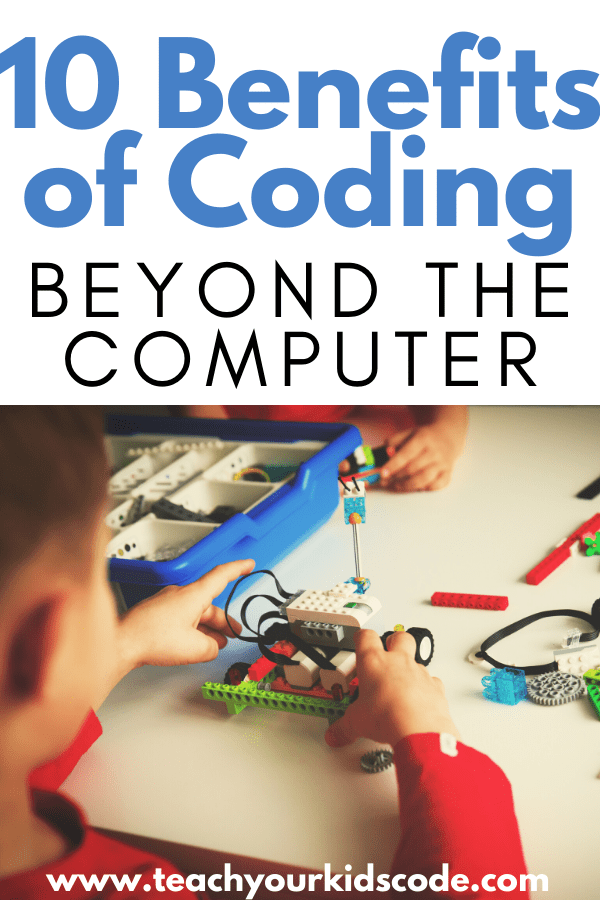
Coding and computer programming are valuable skills that can open up a world of opportunities for students. In today’s digital age, understanding how to code is becoming increasingly important. It not only provides a foundation for future careers in technology but also enhances problem-solving abilities, critical thinking skills, and creativity. In this post, we will…
-
“Unlocking the Power of STEM Education with Data Analysis and Visualization”
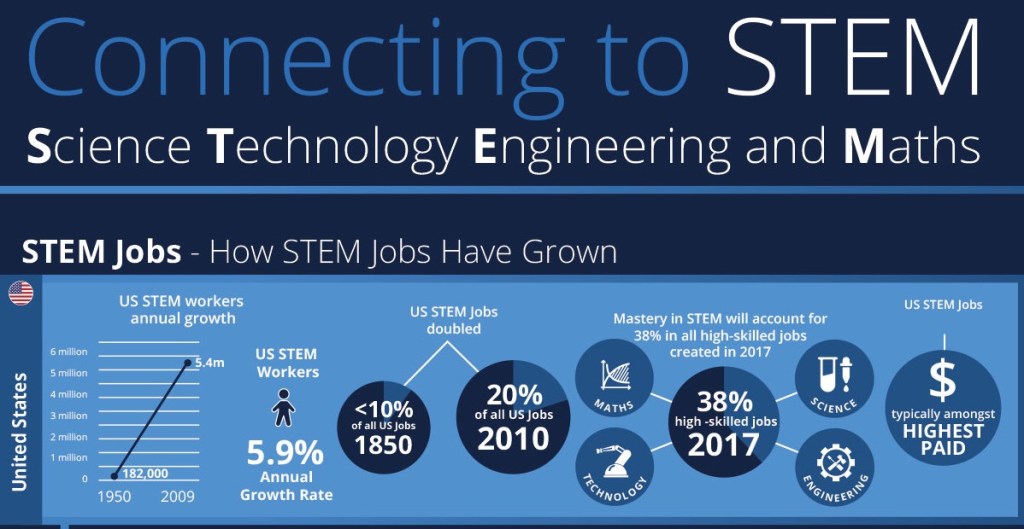
Data analysis and visualization are two essential components of STEM education. These techniques enable students to explore complex mathematical and scientific concepts, understand real-world problems, and develop the skills necessary to succeed in a rapidly changing job market. Data analysis involves collecting, interpreting, and presenting data in meaningful ways. Students learn how to use statistical…
 Alternative Amie