Tag: Competency-Based Education
-
Unleashing Potential: The Power of Personalized Learning

In the ever-evolving landscape of education, personalized learning has emerged as a powerful approach to meet the diverse needs and interests of students. By tailoring instruction to individual learners, personalized education aims to enhance student engagement, motivation, and academic achievement. This article will delve into various aspects of personalized learning and its impact on student…
-
Revolutionizing Online Learning: The Gamified, VR-Enhanced, Peer-Supported Future

Gamification in online learning has revolutionized the way students engage with educational content. By incorporating game elements such as points, badges, leaderboards, and rewards into online courses, educators can make learning more interactive and enjoyable. This approach not only motivates students to actively participate in lessons but also helps increase retention and understanding of the…
-
Empowering Education: The Vital Role of Formative Assessment in Alternative Schools

Formative assessment is a vital component of the educational process, especially in alternative schooling and education settings. Unlike traditional assessments that come at the end of a lesson or unit to evaluate students’ understanding and retention of material, formative assessment occurs throughout the learning process. It provides ongoing feedback to both educators and students, enabling…
-
Empowering Success: The Power of Skill Development Tracking

As educators and parents, we all want to ensure that our children are equipped with the necessary skills to succeed in life. One powerful tool that can help in this endeavor is skill development tracking. By keeping a record of a child’s progress in various skills, we can better understand their strengths and weaknesses, tailor…
-
“Empowering Students Through Personalized Education: A Comprehensive Approach to Success”

Individualized project-based learning is a powerful educational approach that places students at the center of their own learning journey. By engaging in projects that are tailored to their interests, abilities, and learning styles, students can develop critical thinking skills, creativity, and problem-solving abilities. This method allows for a more personalized and meaningful learning experience that…
-
“Revolutionizing Education: Innovative Approaches for Student Success”

Project-based learning is an instructional approach that allows students to explore real-world problems and challenges. Through hands-on projects, students can apply their knowledge and skills to solve complex problems, work collaboratively with their peers, and engage in meaningful tasks that have a tangible impact on their communities. This approach helps students develop critical thinking, creativity,…
-
Revolutionizing Education: Embracing Innovative Approaches for Individualized Learning
In the realm of alternative schooling and education, there is a shift towards innovative approaches that prioritize individualized learning experiences for students. Project-based learning is one such method that encourages students to delve deeply into a particular topic or problem through hands-on projects and activities. This approach fosters critical thinking, collaboration, and creativity while allowing…
-
Revolutionizing Education: Innovative Approaches to Personalized Learning

Personalized learning is a student-centered approach to education that tailors teaching methods, pace, and content to each individual learner’s needs and preferences. This model acknowledges that every student has unique strengths, weaknesses, interests, and learning styles. By personalizing the learning experience, educators can better engage students and help them achieve academic success. Online courses have…
-
Empowering Education: The Rise of Competency-Based Learning
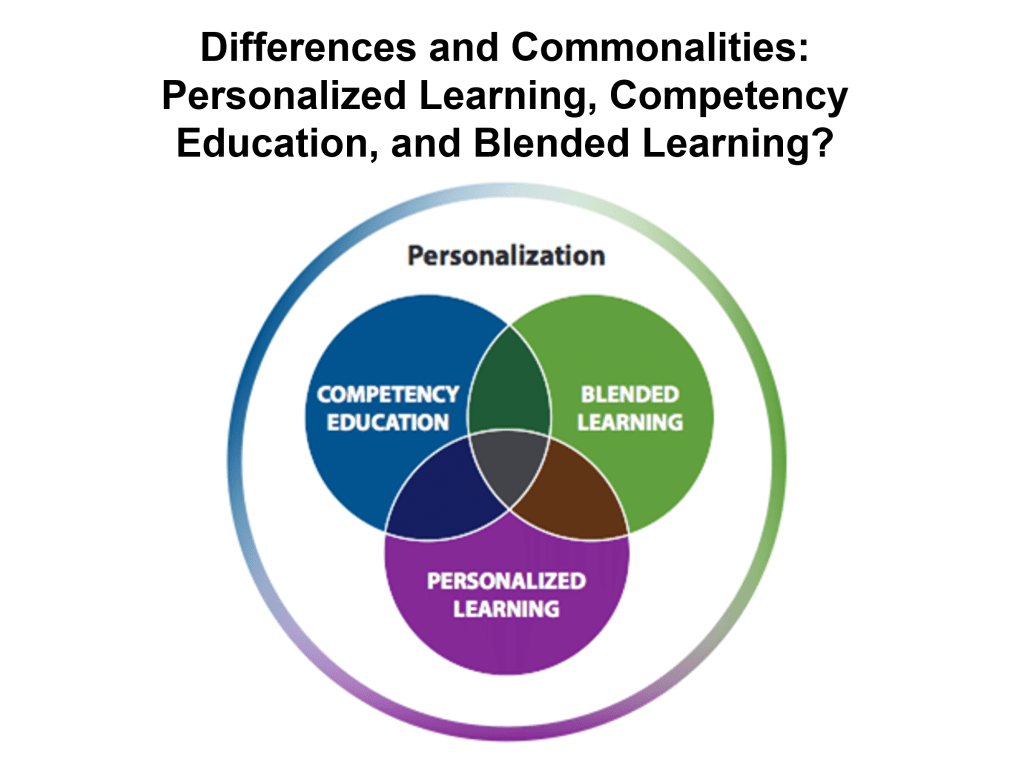
Competency-based education is a student-centered approach that focuses on mastery learning, allowing learners to progress at their own pace and demonstrate proficiency in specific skills or knowledge areas. This method shifts the focus from seat time to skill acquisition, providing a flexible and personalized learning experience for students of all ages and backgrounds. One of…
-
“Revolutionizing Education: Innovative Approaches Cater to Diverse Student Needs”
Alternative schooling and education offer a variety of innovative approaches to learning that cater to diverse student needs and interests. From project-based learning to mindfulness curriculum, these methods aim to provide a holistic educational experience that goes beyond traditional classroom settings. Project-based learning (PBL) is a teaching method in which students gain knowledge and skills…
 Alternative Amie