Tag: community partnerships
-
Empowering Students Through Innovative Project-Based Learning

Project-based learning (PBL) has gained popularity in educational settings as it offers students a hands-on, interactive approach to learning. One key aspect of PBL is peer assessment, where students evaluate each other’s work. Peer assessment not only helps in developing critical thinking skills but also promotes collaboration and communication among students. By engaging in peer…
-
Boosting Education Through Community Partnerships

Community partnerships in education have long been recognized as a vital component in enhancing the learning experience for students. By collaborating with various organizations, businesses, and individuals within the community, schools can offer unique opportunities and resources that might not otherwise be available. One key benefit of community partnerships is the ability to expose students…
-
Sudbury Schools: Empowering Students Through Technology, Outdoor Education, and Inclusivity

Sudbury schools are known for their unique educational approach that emphasizes student autonomy, self-directed learning, and democratic decision-making. One key aspect of the Sudbury model is the role of technology in facilitating personalized learning experiences. Technology is often used as a tool to support students in pursuing their interests and passions, whether it be through…
-
Empowering Education: Unleashing Creativity Through Child-Led Learning
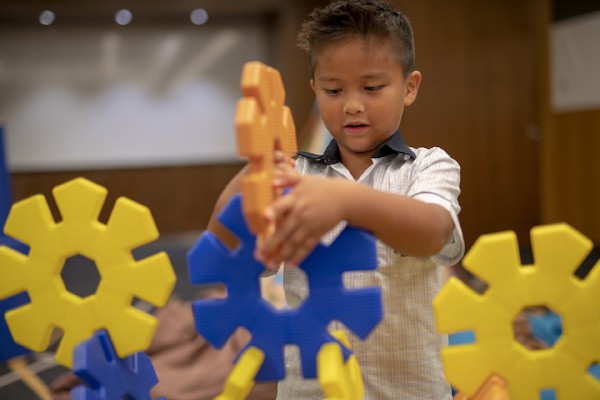
Child-led learning is a fundamental aspect of Reggio Emilia-inspired education, where children are encouraged to explore and discover at their own pace. This approach values the interests and passions of each child, allowing them to take the lead in their learning journey. By following the child’s natural curiosity, educators can create a more engaging and…
-
“Revolutionizing Education: Unleashing Creativity and Independence Through Unique Learning Approaches”

Unschooling methods are a unique approach to education that focuses on allowing children to direct their own learning. Instead of following a traditional curriculum, unschooling encourages students to explore their interests and passions, leading to more meaningful and personalized learning experiences. This method values self-directed learning and believes that children will naturally learn when given…
-
Innovative Education: Nurturing Tomorrow’s Leaders Through Alternative Schooling

In today’s rapidly changing world, education is evolving to meet the diverse needs of students and prepare them for success in a global society. Alternative schooling and education programs are gaining popularity for their innovative approaches to teaching and learning. These programs prioritize holistic development, experiential learning, and community engagement to create well-rounded individuals who…
-
Empowering Education: The Key Components of Alternative Schooling

Individualized learning plans (ILPs) are a key component of alternative schooling and education programs, allowing students to have tailored educational experiences based on their unique strengths, weaknesses, interests, and learning styles. By creating ILPs for each student, educators can better support diverse learners and ensure that all students have the opportunity to reach their full…
-
Empowering Students Through Collaborative Learning: Strategies and Benefits

Peer assessment in collaborative learning is a powerful tool that can enhance students’ understanding of their own work and that of their peers. By providing feedback to one another, students not only improve their critical thinking skills but also develop a sense of responsibility towards their own learning process. Peer assessment encourages active engagement in…
-
Empowering Education: Inside the Unique World of Sudbury Schools

Sudbury schools, based on the Sudbury Valley School model, are known for their unique approach to education that empowers students to take control of their learning and decision-making processes. Technology in Sudbury schools plays a significant role in enhancing student autonomy and facilitating self-directed learning. With the increasing integration of technology in education, Sudbury schools…
-
“Forest Schools: Cultivating Nature Connection and Resilience in Students”
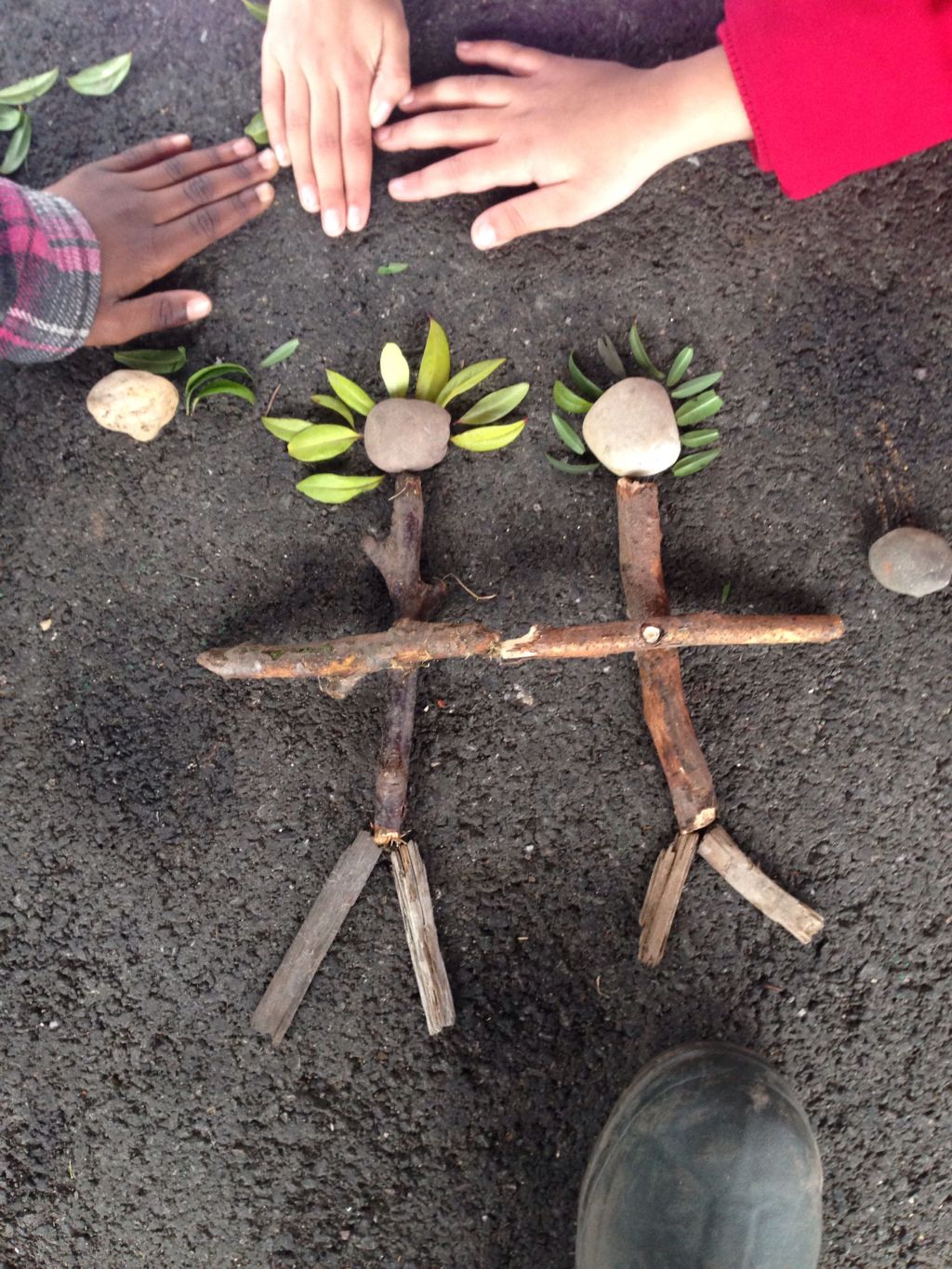
Nature deficit disorder is a term coined by Richard Louv in his book “Last Child in the Woods,” which highlights the disconnect between children and the natural world, leading to a range of behavioral and health issues. Forest schools aim to combat this phenomenon by immersing students in outdoor environments, allowing them to engage with…
 Alternative Amie