Tag: Communication Skills
-
Empowering Language Development in Alternative Education Settings
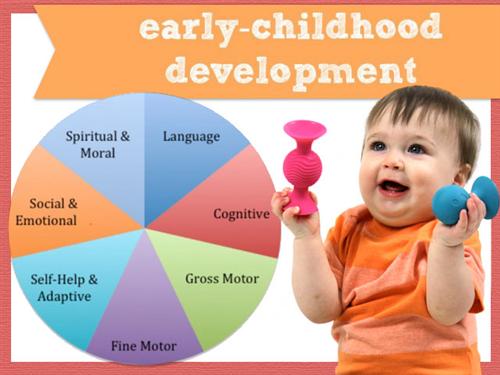
Language development is a crucial aspect of a child’s growth and learning process. The ability to communicate effectively through spoken and written language is essential for academic success, social interaction, and overall cognitive development. In traditional schooling settings, language development is often taught through structured lessons and standardized curriculum. However, alternative schooling approaches offer unique…
-
Unlocking Potential: The Power of Art-Based Experiential Learning

Art-based experiential learning is a dynamic and innovative approach to education that combines artistic expression with hands-on learning experiences. This method goes beyond traditional classroom teaching by actively engaging students in creative activities that promote critical thinking, problem-solving skills, and personal growth. One of the key principles of art-based experiential learning is the belief that…
-
Expert Tips for Balancing Dual Enrollment and High School Demands

Panel Discussion: Strategies for Balancing Dual Enrollment Coursework with High School Responsibilities Moderator: Hello everyone and welcome to today’s panel discussion on strategies for balancing dual enrollment coursework with high school responsibilities. Today, we have a group of experts who will share their insights and tips on how students can successfully manage the demands of…
-
Cooperative Games: Building Skills Through Teamwork

Cooperative games have long been a valuable tool in alternative schooling and education settings, offering students unique opportunities to learn important skills while fostering a sense of teamwork and collaboration. These types of games prioritize cooperation over competition, encouraging players to work together towards a common goal rather than against each other. This approach not…
-
Empowering Students Through Inquiry-Based Learning: Fostering Curiosity, Collaboration, and Independence

Inquiry-based learning is a dynamic and student-centered approach to education that empowers learners to actively engage with the material through asking questions, investigating problems, and exploring solutions. Instead of passively receiving information from teachers, students are encouraged to take ownership of their learning by driving the process themselves. At the heart of inquiry-based learning is…
-
Empowering Education: The Power of Student-Led Discussions in Alternative Schools

Student-led discussions are a powerful and effective way to engage students in the learning process, promote critical thinking skills, and foster a sense of community within the classroom. At alternative schools where student autonomy and empowerment are prioritized, student-led discussions can play a crucial role in creating an inclusive and dynamic learning environment. Here are…
-
Empowering Education: The Power of Student-Led Discussions
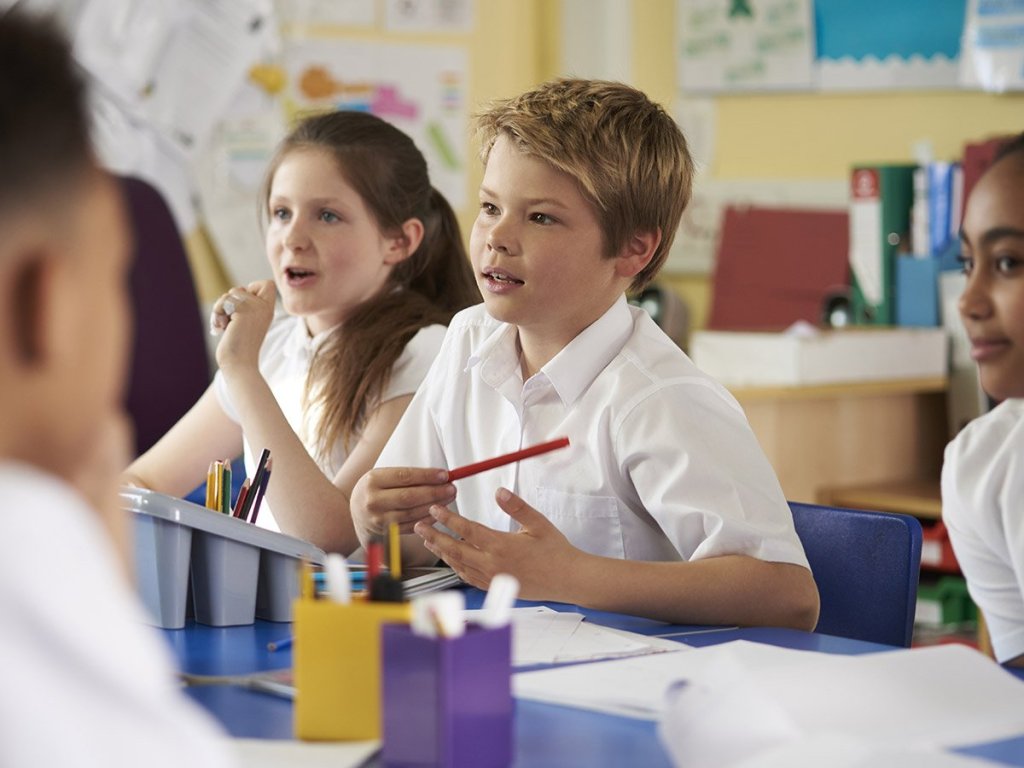
Student-led discussions are a powerful tool in alternative schooling and education settings. Traditional education often relies on lectures, textbooks, and teacher-centered activities to impart knowledge to students. However, student-led discussions offer a more interactive and engaging way for students to learn and explore topics in depth. One of the main benefits of student-led discussions is…
-
Empowering Students: The Rise of Student-Led Conferences in Education

Student-led conferences have been gaining popularity in educational settings as a more student-centered approach to assessing and showcasing learning progress. In this model, students take the lead in presenting their academic achievements, personal growth, and goals to their parents or guardians, teachers, and sometimes even other students. One of the key advantages of student-led conferences…
-
Empowering Students Through Effective Communication in Alternative Education

Communication skills are an essential aspect of our daily lives, influencing our relationships, careers, and overall success. In the realm of alternative schooling and education, honing effective communication skills is paramount for students to thrive in diverse learning environments and navigate the challenges they may encounter. One of the key components of effective communication is…
-
Navigating the Digital Classroom: Maximizing the Benefits and Overcoming Challenges of Online Discussions

Online discussions have become an integral part of the educational experience in today’s digital age. With the rise of online learning platforms and virtual classrooms, students from all over the world can now engage in meaningful conversations, share ideas, and collaborate on projects without ever stepping foot inside a traditional classroom. While these online discussions…
 Alternative Amie