Tag: Communication Skills
-
15 Reasons Why Project-Based Learning is a Valuable Tool for Alternative Schooling and Education

Project-based learning (PBL) is a teaching method that has gained popularity in recent years. It’s an approach to education that focuses on student-centered learning, where students work on projects that involve real-world problems or challenges. In this article, we’ll explore 15 reasons why project-based learning is a valuable tool for alternative schooling and education. 1.…
-
“Uncovering the Hidden Gems: The Benefits of Studying Local History and Heritage”

Introduction: Local history and heritage studies offer an excellent opportunity for students to learn about the rich culture and traditions of their community. It is a subject that can be explored in various ways, from visiting historical landmarks to conducting interviews with local residents who have lived in the area for many years. In this…
-
Cooperative Education: The Unique Program That Gives Students Real-World Experience

Cooperative education, or Co-op for short, is a unique educational program that offers students the opportunity to gain practical work experience while still studying in school. This approach to learning has been gaining popularity in recent years as more and more schools recognize the value of hands-on training. To get a better understanding of how…
-
Collaborative Projects: Unlocking the Potential of Alternative Schooling

Collaborative Projects: A Key to Alternative Schooling In the world of alternative schooling, collaborative projects have been increasingly gaining recognition as a powerful tool for developing skills and knowledge. Collaborative projects are designed to engage students in working together towards a common goal, allowing them to learn from each other’s strengths and weaknesses while developing…
-
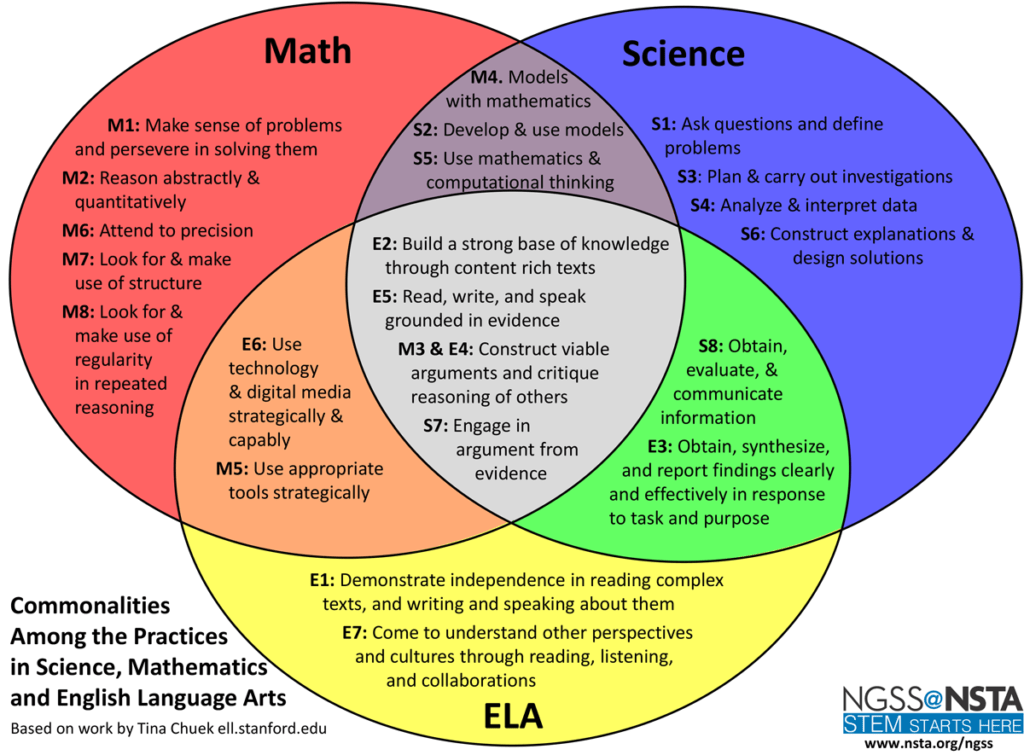
Performance tasks have become an integral part of alternative schooling and education programs. These tasks are designed to assess a student’s ability to apply their knowledge and skills in real-life situations, rather than just measuring their memorization or regurgitation abilities. Performance tasks can take many forms, from group projects and presentations to essays and simulations.…
-
Inquiry-Based Learning Groups: The Key to Active Engagement and Critical Thinking in Alternative Education
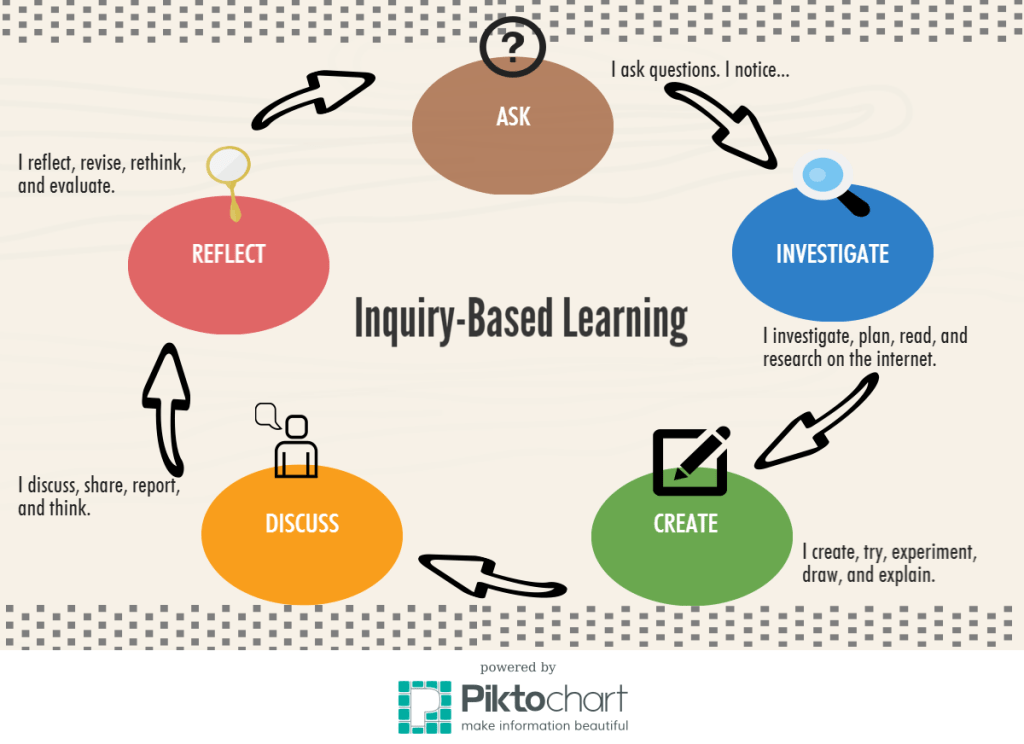
Inquiry-Based Learning Groups: A Guide for Alternative Schooling and Education Inquiry-based learning is an innovative approach to teaching and learning that promotes active engagement, critical thinking, and problem-solving skills. It encourages students to ask questions about the world around them, seek answers through research and experimentation, and share their findings with others. Inquiry-based learning groups…
-
Open-Ended Questioning: The Key to Developing Critical Thinking and Creativity in Students
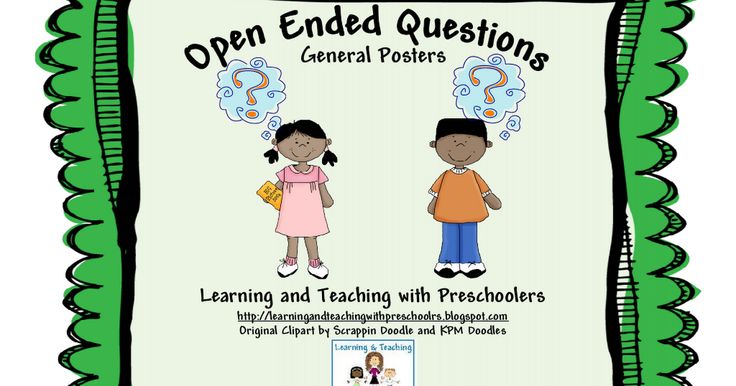
Open-ended questioning in assessments is a powerful tool that can help students develop critical thinking skills, enhance their creativity, and improve their ability to communicate effectively. Unlike closed-ended questions that require specific answers, open-ended questions encourage students to explore new ideas, express their thoughts and feelings, and provide unique perspectives on various topics. In an…
-
Collaboration: The Key to Fostering a Creative Learning Environment in Alternative Schooling Models
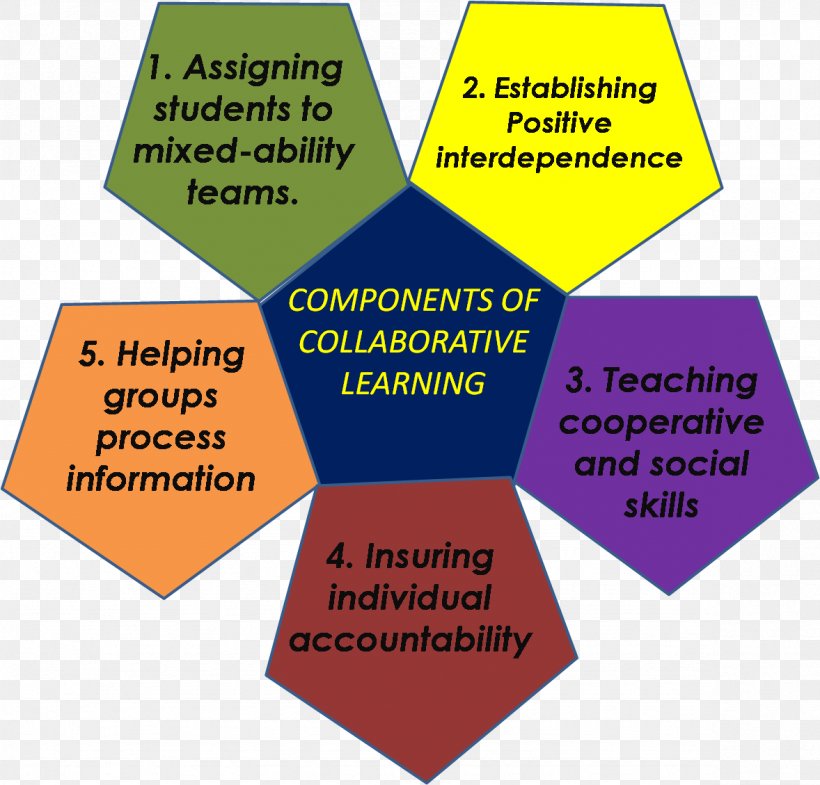
Collaboration between Teachers and Children: Fostering a Creative Learning Environment In traditional schooling, the relationship between teachers and students is often one of authority. Students are expected to listen, learn, memorize, and regurgitate information that has been passed down by their teachers. However, in alternative schooling models, such as Montessori or Waldorf education, collaboration between…
-
Atelier/Studio Spaces: The Creative Learning Environments Shaking Up Education!
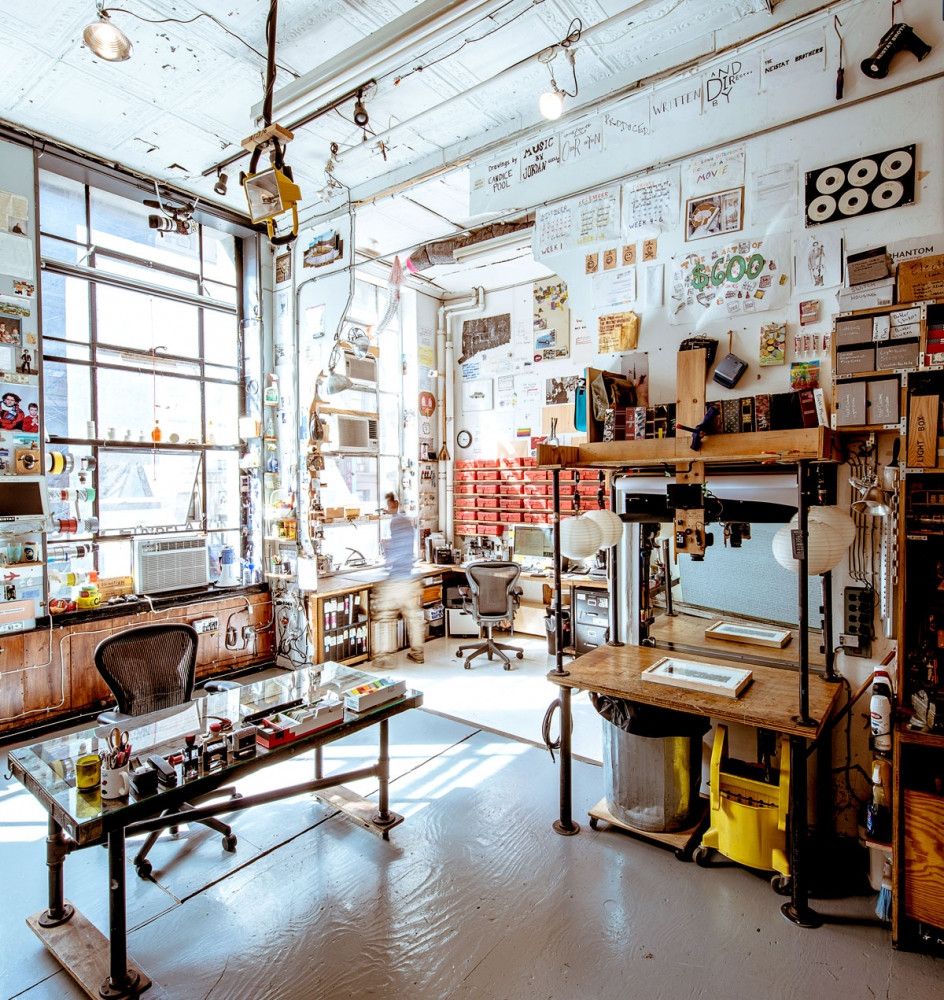
In the world of alternative schooling and education, Atelier or Studio space is a hot topic. For those unfamiliar with these terms, an Atelier refers to a French workshop or studio for artists, while a Studio is typically a workspace for designers and craftsmen. Atelier/Studio spaces are becoming increasingly popular among students who want to…
-
“Empowering Education: The Rise of Student-Led Classes”

As the world of education continues to evolve, one trend that is gaining traction is student-led classes. In traditional classroom settings, teachers are generally seen as the authority figure, leading lessons and deciding what topics will be covered. However, in student-led classes, students take on a more active role in their own learning. In these…
 Alternative Amie