Tag: Communication Skills
-
Creating Engaged and Empowered Learners: The Power of Flexible Seating

Engaging Students through Flexible Seating Choices As educators continue to explore innovative ways to create an engaging and productive learning environment, the concept of flexible seating has gained significant attention. Traditional classrooms with rows of desks and chairs are gradually being replaced by more dynamic setups that allow students to choose their own seating options.…
-
Embracing the Melting Pot: Cultural Diversity in Project-Based Learning

Cultural Diversity in Project-Based Learning: Embracing the Melting Pot of Ideas In today’s globalized world, it is essential for students to develop a deep understanding and appreciation of cultural diversity. As traditional educational models continue to evolve, project-based learning has emerged as an effective approach that not only promotes critical thinking and problem-solving skills but…
-
Unlocking Holistic Education: Trivium and Quadrivium Studies Lead the Way
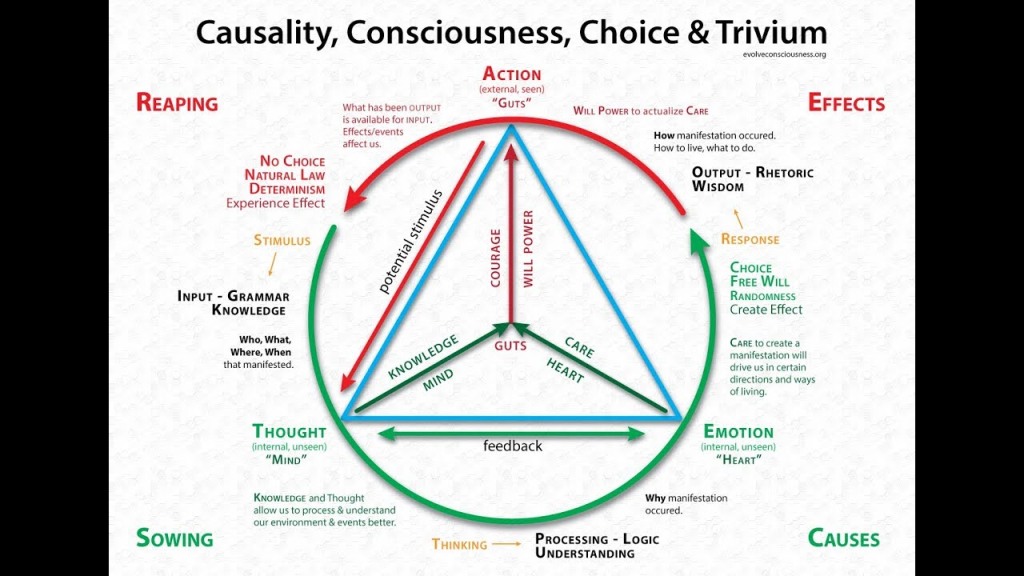
Trivium and Quadrivium Studies: A Path to Holistic Education In the realm of alternative schooling and education, there is a growing interest in holistic approaches that prioritize a well-rounded understanding of knowledge. Trivium and Quadrivium studies offer a unique framework that combines liberal arts subjects with critical thinking skills, fostering intellectual growth and nurturing lifelong…
-
“Breaking the Mold: Non-Traditional Assessments Revolutionize Education”

Non-traditional assessments have gained significant attention in the field of education, as they provide alternative ways to evaluate student learning and achievement. These assessments move beyond the traditional pen-and-paper tests and embrace a more comprehensive approach to measuring students’ knowledge and skills. One example of a non-traditional assessment is project-based learning. In this method, students…
-
Assessment of Communication Skills Soars to New Heights with Portfolios

Assessment of Communication Skills in Portfolios In today’s rapidly changing world, effective communication skills are essential for success in both personal and professional life. As educators, it is crucial to assess and nurture these skills in our students. One innovative way to evaluate communication abilities is through the use of portfolios. A portfolio is a…
-
“Breaking the Mold: How a Flexible Seating Plan Boosts Collaboration and Teamwork in the Classroom”

Creating a Flexible Seating Plan that Promotes Collaboration and Teamwork In traditional classrooms, students are often confined to individual desks arranged in rows facing the front of the room. This rigid seating arrangement can hinder collaboration and limit opportunities for students to work together effectively. However, alternative schooling and education models recognize the importance of…
-
Cooperative Learning: Unlocking Collaboration and Empowering Students

Cooperative Learning: Fostering Collaboration and Empowering Students In traditional classroom settings, education has often been synonymous with competition. Students are pitted against each other, vying for the highest grades or academic achievements. However, this approach fails to recognize that learning is a social process that thrives on collaboration and cooperation. Cooperative learning offers an alternative…
-
Unlocking the Power of Group Inquiry-Based Learning: 10 Benefits for Students
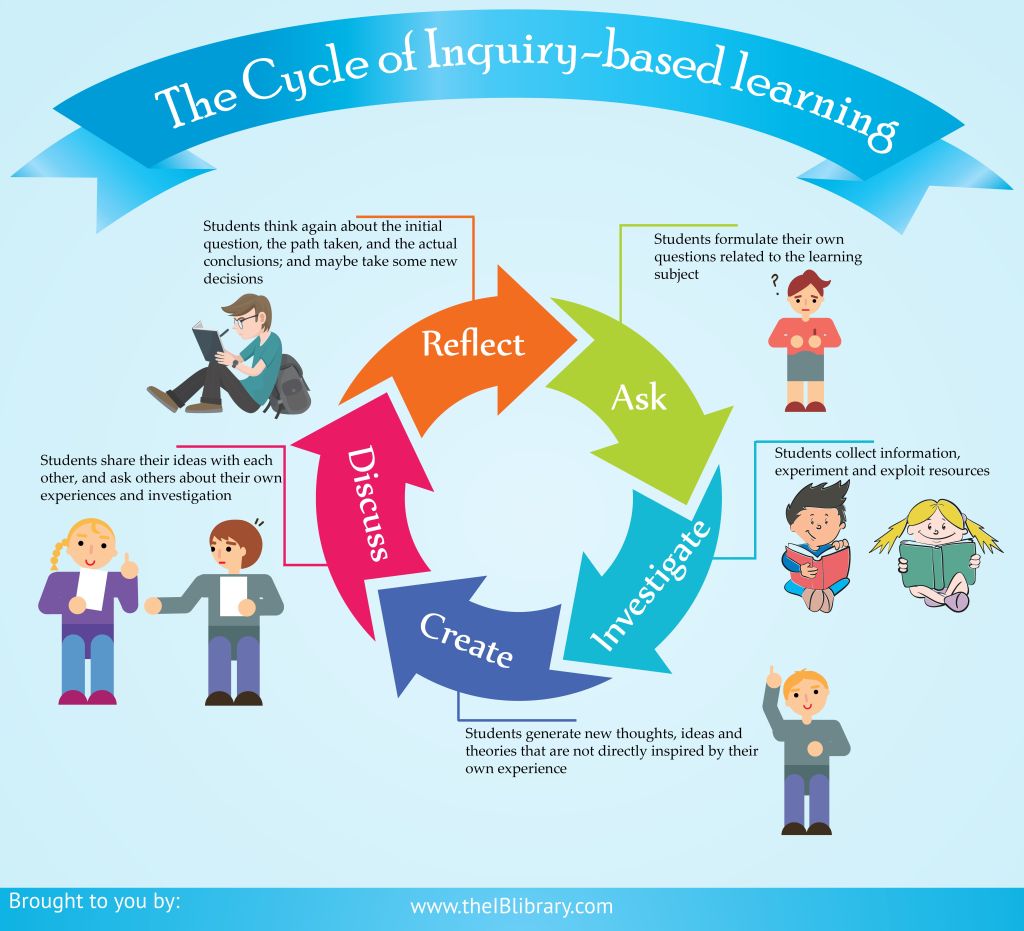
Inquiry-based learning is a powerful educational approach that promotes critical thinking, problem-solving skills, and collaboration among students. When implemented in groups, it becomes even more effective as it encourages peer interaction and shared learning experiences. In this article, we will explore the top 10 benefits of inquiry-based learning in groups. 1. Enhanced Critical Thinking Skills:…
-
Unlocking Potential: Peer Tutoring and Mentoring Programs Ignite Learning and Personal Growth

Peer Tutoring and Mentoring Programs: Enhancing Learning and Personal Growth Introduction: Education is not a one-size-fits-all approach, as every student has unique learning needs and abilities. In order to ensure that all students receive the support necessary to succeed academically and develop essential life skills, peer tutoring and mentoring programs have emerged as powerful tools…
-
“8 Collaborative Projects and Group Work Ideas That Transform Education”

Collaborative projects and group work are valuable learning experiences that can greatly enhance the educational journey of students. They provide opportunities for students to develop essential skills such as communication, teamwork, problem-solving, and critical thinking. Moreover, collaborative projects encourage active engagement and create an inclusive learning environment where all participants contribute their unique perspectives and…
 Alternative Amie