Tag: Collaborative problem-solving
-
15 Reasons Why Peer Collaboration and Cooperative Learning are Essential in Gifted Classrooms

Peer collaboration and cooperative learning are essential components of a gifted classroom. In these classrooms, the emphasis is not only on individual achievement but also on fostering teamwork and collaborative problem-solving skills. By working together, gifted students can enhance their understanding of complex concepts, develop critical thinking abilities, and learn from their peers’ unique perspectives.…
-
Collaborative Problem-Solving: Cultivating Creativity and Critical Thinking in Alternative Education
Collaborative Problem-Solving: Fostering Creativity and Critical Thinking in Alternative Education In traditional education systems, the focus is often on individual achievement and competition. However, in alternative schooling and education, there is a growing emphasis on collaborative problem-solving as an effective strategy for fostering creativity and critical thinking skills among students. Collaborative problem-solving involves bringing together…
-
The Power of Collaboration: Empowering Students for Success

Project-based learning has gained popularity in recent years as an effective alternative to traditional classroom instruction. This approach emphasizes hands-on, experiential learning that is centered around real-world projects or problems. By engaging students in collaborative and interdisciplinary work, project-based learning fosters creativity, critical thinking, problem-solving skills, and a deeper understanding of the subject matter. One…
-
Revolutionizing Discipline: Non-Coercive Strategies for a Positive Learning Environment

Non-coercive Discipline Practices: An Overview Introduction: Discipline is an essential aspect of education, but traditional disciplinary approaches often rely on coercive methods that can have negative effects on students’ well-being and learning outcomes. Non-coercive discipline practices offer alternative approaches that prioritize understanding, empathy, and collaboration over punishment and control. In this article, we will explore…
-
“Nurturing Peaceful Minds: How Conflict Resolution Empowers Alternative School Students”

Conflict resolution is an essential skill that individuals need to navigate their personal and professional lives successfully. In alternative schooling and education environments, where students have more autonomy and freedom, conflict resolution becomes even more crucial. It empowers young learners to develop healthy relationships, build effective communication skills, and resolve conflicts peacefully. One fundamental aspect…
-
Fostering Creativity and Learning: The Power of Collaboration in Alternative Education

Collaboration Techniques: Fostering Creativity and Learning in Alternative Education Introduction: In the realm of alternative schooling and education, collaboration techniques play a vital role in fostering creativity, critical thinking, problem-solving skills, and overall learning. Unlike traditional educational settings where knowledge is primarily transmitted from teacher to student, alternative education focuses on student-centered approaches that emphasize…
-
“Experiential Learning in Community-Based Settings: Transforming Education and Empowering Students”
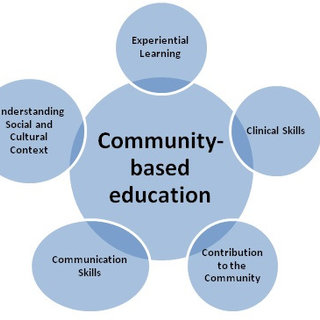
Experiential Learning in Community-Based Settings Alternative education approaches have gained increasing recognition for their ability to provide unique and engaging learning experiences for students. One such approach is experiential learning in community-based settings, which offers students the opportunity to learn by actively engaging with their local communities. This article will explore the benefits of experiential…
-
Building Positive Relationships: Conflict Resolution Skills for Effective Communication in Alternative Education
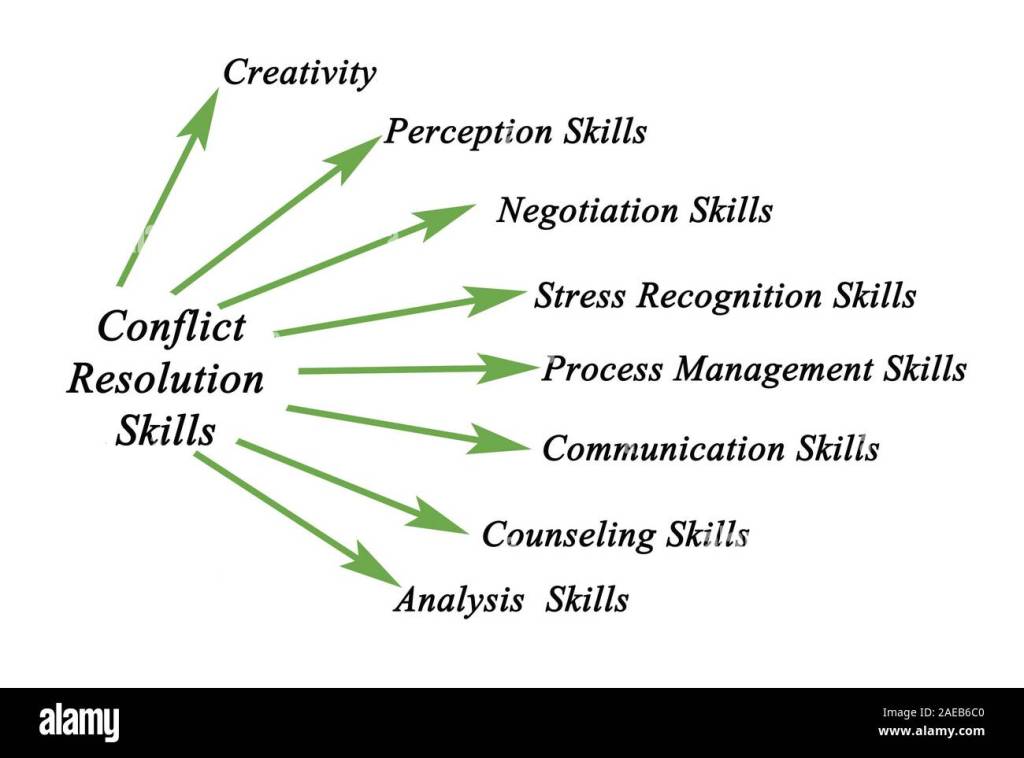
Conflict Resolution Skills: Building Positive Relationships through Effective Communication In any educational setting, conflicts are bound to arise. Whether it’s a disagreement between students, tension among teachers, or conflicting opinions within the administration, conflicts can disrupt the learning environment and hinder personal growth. That’s why developing conflict resolution skills is crucial for alternative schooling and…
-
“Collaborative Problem-Solving: Empowering Students for Real-Life Success”
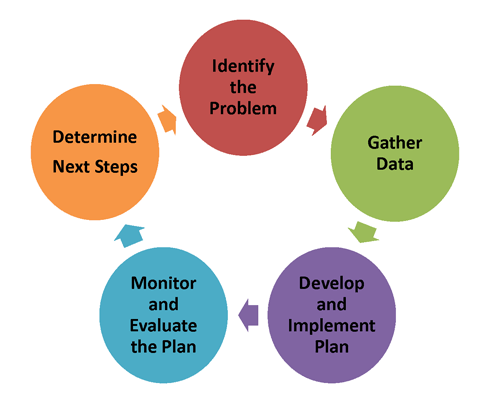
Collaborative problem-solving is a powerful tool that nurtures critical thinking, communication skills, and teamwork. In traditional educational settings, the emphasis often lies on individual achievement and competition. However, alternative schooling and education methods recognize the importance of collaboration in preparing students for real-life challenges. When students engage in collaborative problem-solving activities, they learn to listen…
-
Nurturing Values: Ethical Reasoning in Alternative Education

Ethical Reasoning: Nurturing Values in Alternative Education Introduction: In an ever-changing world, the importance of ethical reasoning has become increasingly evident. As parents and educators seek alternative schooling options that prioritize holistic development, it is crucial to understand how ethical reasoning plays a key role in shaping young minds. This article aims to delve into…
 Alternative Amie