Tag: Collaborative Learning
-
Boosting Engagement: The Power of Think-Pair-Share in Alternative Education
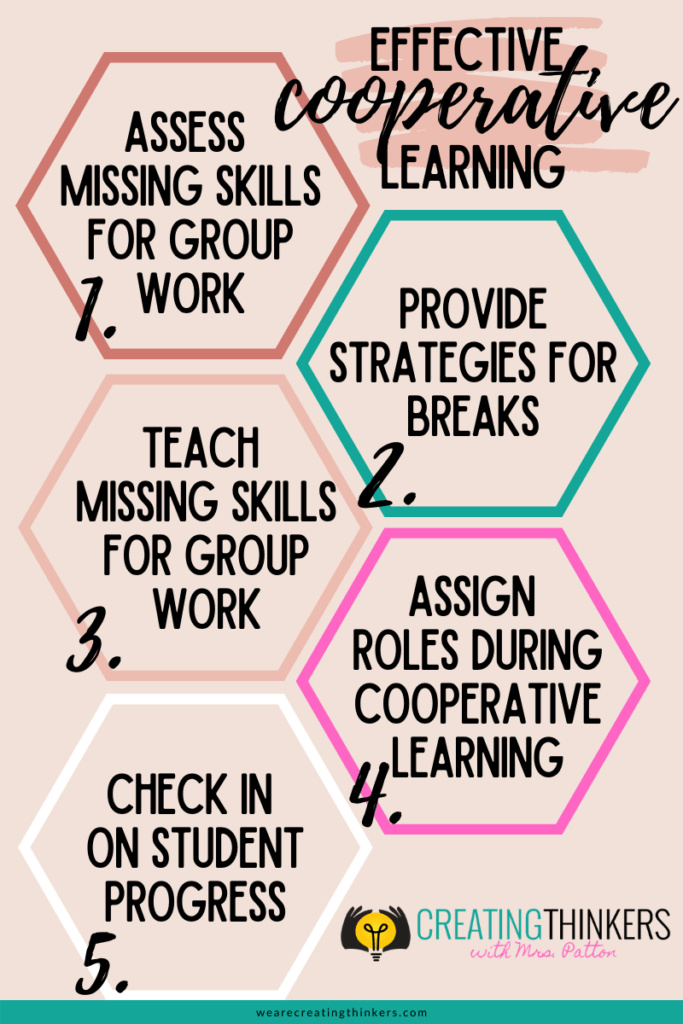
Think-pair-share is a widely-used teaching strategy that fosters active learning and student engagement in the classroom. Originally developed by social psychologist Frank Lyman and his colleagues in the 1980s, this collaborative learning technique has since gained popularity across various educational settings, including alternative schools. The think-pair-share strategy involves three main steps: thinking, pairing, and sharing.…
-
Fostering a Positive Classroom Culture in Multiage Environments: Key Strategies for Success
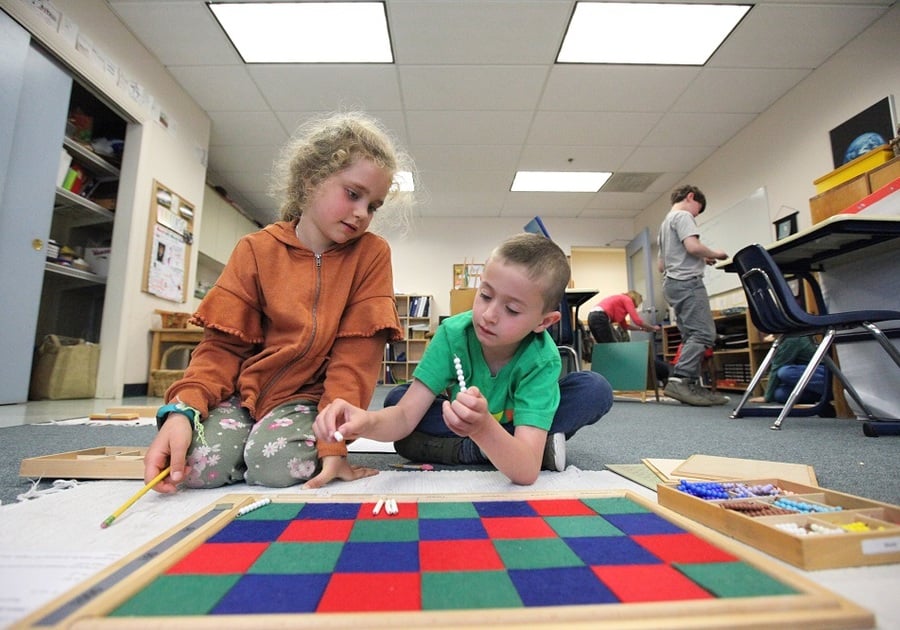
In a world where traditional education systems often fall short in meeting the diverse needs of students, alternative schooling options like multiage classrooms have gained popularity for their ability to create a more inclusive and supportive learning environment. In these settings, children of different ages and grade levels learn together in the same space, fostering…
-
Embracing the Blend: Revolutionizing Education with Innovative Learning Models

Blended learning models have been gaining popularity in the world of education, offering a unique approach to learning that combines traditional face-to-face instruction with online resources and activities. This innovative model provides students with a more personalized and flexible learning experience, allowing them to learn at their own pace while also benefiting from the guidance…
-
Expert Panel Reveals Top Test Prep Strategies for Student Success
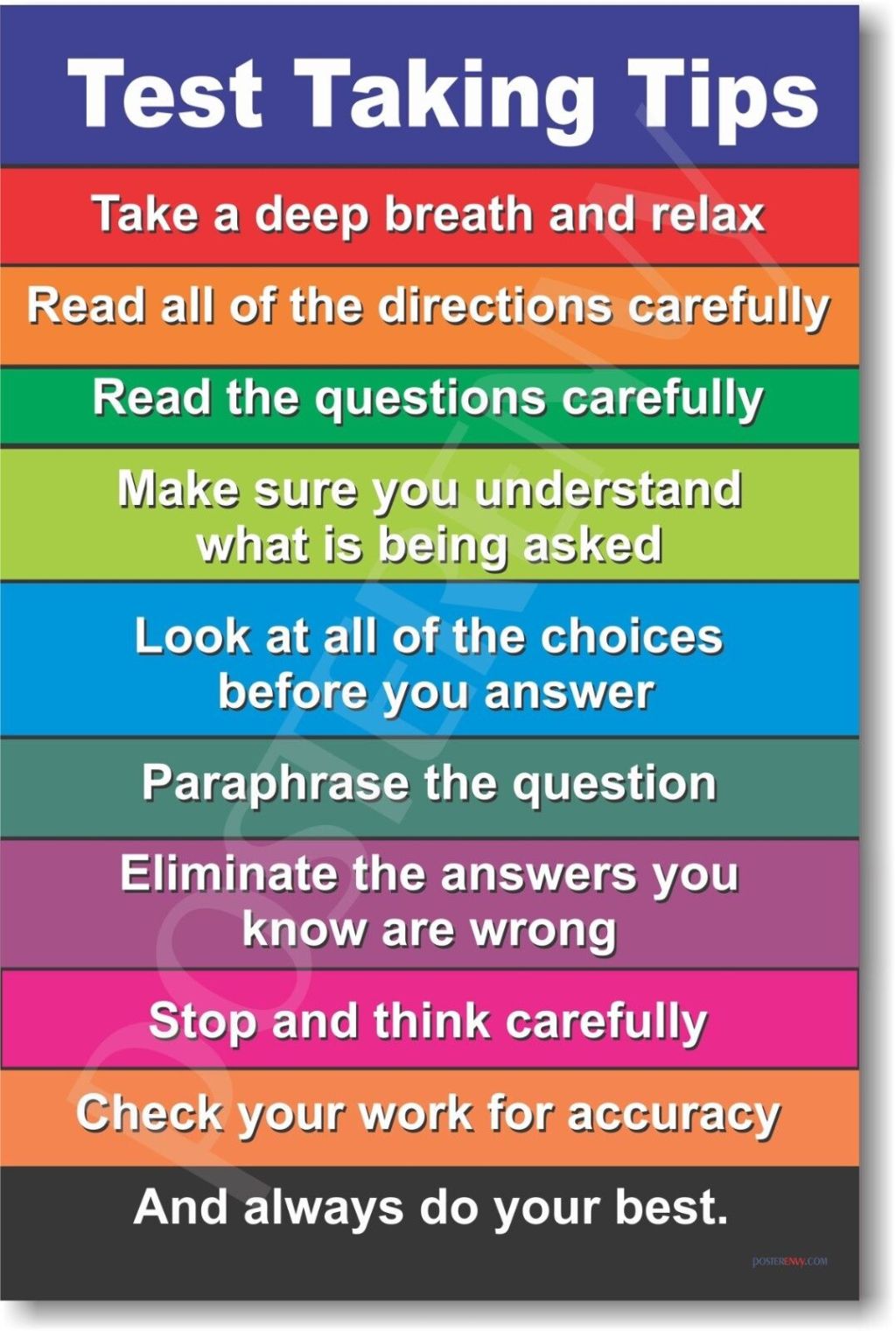
Welcome to our panel discussion about test preparation strategies! Today, we have gathered a group of experts in education and learning to share their insights on how students can effectively prepare for tests. Whether you’re studying for a standardized exam, a final exam, or any other type of assessment, these tips and techniques will help…
-
Navigating the Digital Classroom: Maximizing the Benefits and Overcoming Challenges of Online Discussions

Online discussions have become an integral part of the educational experience in today’s digital age. With the rise of online learning platforms and virtual classrooms, students from all over the world can now engage in meaningful conversations, share ideas, and collaborate on projects without ever stepping foot inside a traditional classroom. While these online discussions…
-
“Mastering Peer Evaluation: Key Strategies for Successful Cooperative Learning”

Peer evaluation in cooperative learning is a crucial aspect of ensuring that all members of a group are actively participating and contributing to the shared goals. Here are some strategies and considerations for effective peer evaluation in cooperative learning: 1. Clear Criteria: Establishing clear criteria for evaluating individual contributions within a group project is essential.…
-
“Thriving in the Desert: Homeschooling Co-ops Build Strong Communities and Bright Minds”
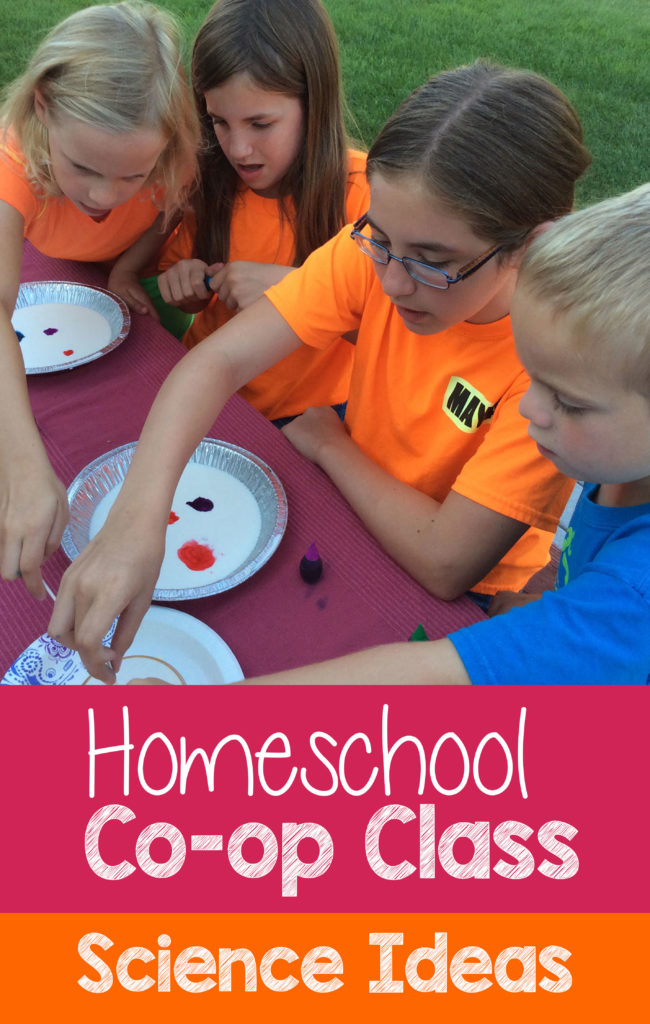
Desert homeschooling co-ops are a fantastic way for families in arid regions to come together and create a supportive community for their children’s education. In the desert, where resources and educational opportunities may be limited, homeschooling co-ops offer a unique solution by pooling together talents, resources, and skills to provide a well-rounded education for children.…
-
Empowering Students: The Value of Peer Assessment in Self-Regulated Learning
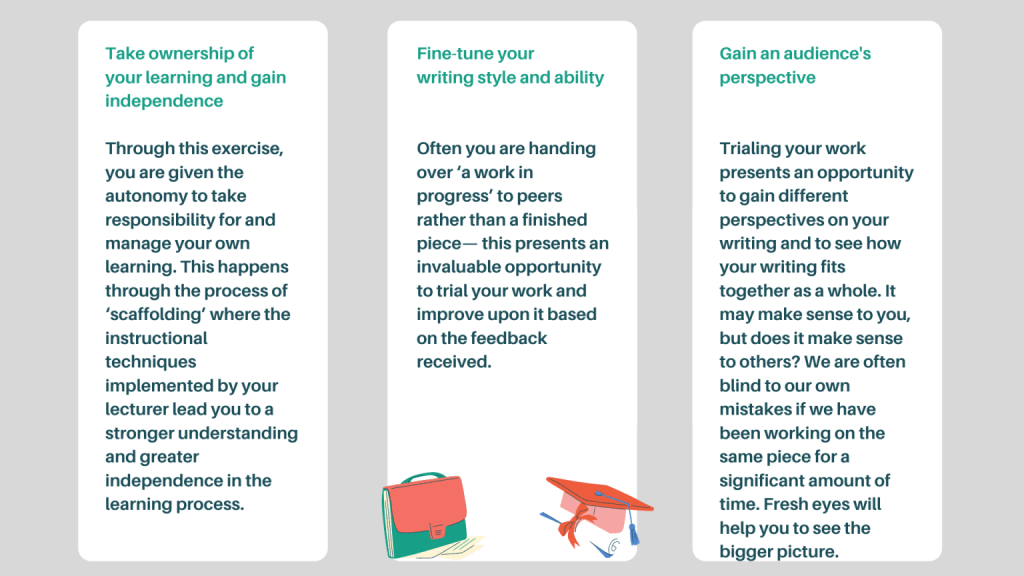
Peer assessment is a valuable tool in the realm of self-regulated learning, allowing students to take control of their own educational journey while also benefiting from the perspectives and feedback of their peers. This collaborative approach not only enhances academic performance but also fosters important skills such as critical thinking, communication, and self-reflection. Self-regulated learning…
-
Revolutionize Your Classroom with Socratic Seminars!

Are you tired of traditional classroom settings where the teacher lectures and students passively listen? Do you crave a more engaging and interactive way of learning? Look no further than Socratic seminars! These lively discussions have been shaking up education for centuries, encouraging critical thinking, collaboration, and deep exploration of ideas. So what exactly is…
-
“Unlocking Education Together: 15 Reasons Why Community-Based Homeschooling Co-Ops Are Thriving”

Community-based homeschooling co-ops are a popular choice for families looking to provide their children with socialization, group learning opportunities, and a sense of community while still homeschooling. These co-ops typically consist of a group of families who come together to share resources, expertise, and responsibilities in educating their children. Here are 15 reasons why community-based…
 Alternative Amie