Tag: collaboration
-
Project-Based Learning: The Engaging Approach to Education That Develops Critical Thinking and Problem-Solving Skills.

Project-based learning (PBL) is an approach to education that emphasizes student engagement, critical thinking, and problem-solving through hands-on projects. Students work on complex projects that require them to apply knowledge from a variety of disciplines, collaborate with peers, and develop essential skills such as communication, creativity, and perseverance. In PBL classrooms, teachers act as facilitators…
-
Breaking Down Barriers: The Power of Interdisciplinary Learning
Interdisciplinary Approaches to Learning: Breaking Down Barriers Between Subjects Traditional education models often compartmentalize learning into separate subjects, with little integration or overlap. However, interdisciplinary approaches to learning have emerged as a more holistic and effective way of understanding complex topics. Interdisciplinary learning encourages students to explore connections between different subjects, fostering creativity and critical…
-
Revolutionizing STEM Education: The Power of Project-Based Learning
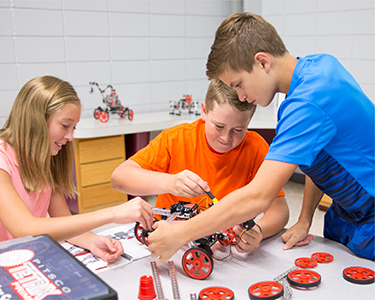
Project-based learning in STEM Project-based learning (PBL) is a teaching approach that emphasizes students working on long-term projects that require critical thinking, collaboration, and problem-solving skills. PBL has become increasingly popular in science, technology, engineering, and mathematics (STEM) education because it provides an opportunity for students to engage with the material in a more meaningful…
-
Cooperative Learning: The Collaborative Approach to Student Success
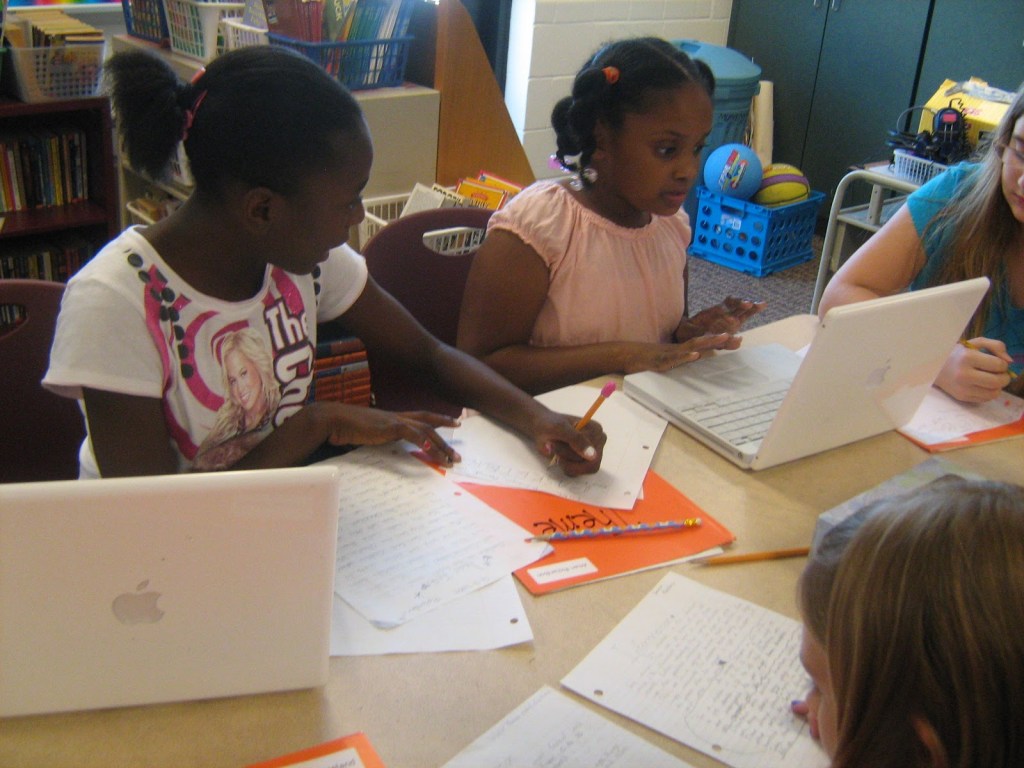
Cooperative learning is a teaching approach that emphasizes collaboration among students. It involves grouping students together to work on tasks, projects or activities in which they are encouraged to help each other learn and achieve their goals. While cooperative learning has been around for decades, it has gained increasing popularity in recent years as educators…
-
“Project-Based Learning: Fostering Creativity and Practical Skills in Students”
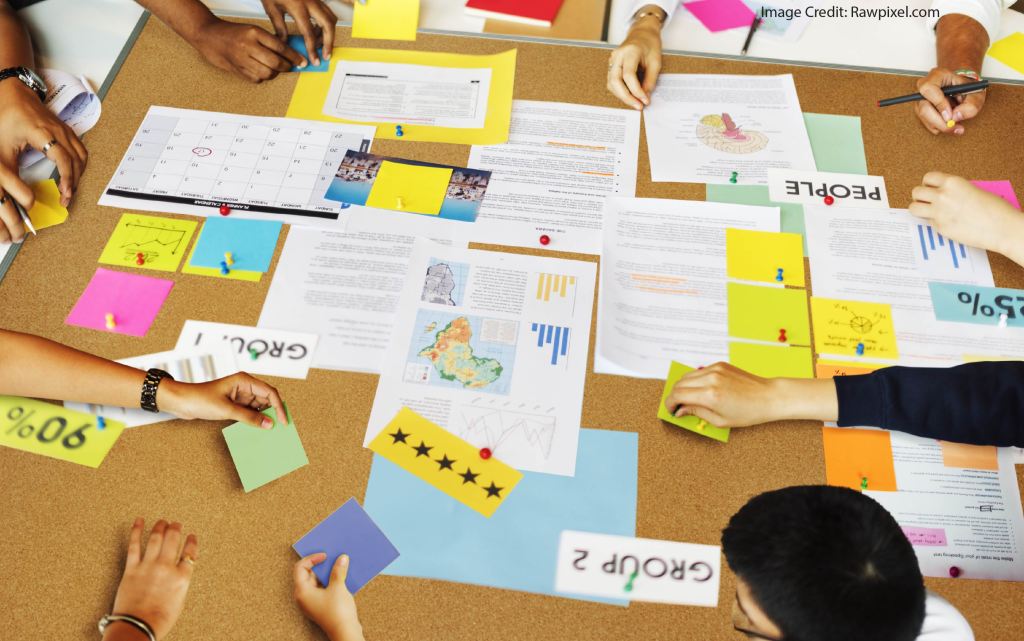
As a writer and journalist, I have had the opportunity to learn about different styles of education. While traditional education systems are still prevalent in many parts of the world, alternative schooling methods are gaining popularity for their unique approach to learning. One such method is Project-based learning (PBL). Project-based Learning is a student-centered teaching…
-
Nurturing Logical Reasoning: The Key to Alternative Education Success

As humans, we possess the incredible ability to reason and think logically. These skills form an essential part of our day-to-day lives and allow us to solve problems, make informed decisions, and communicate effectively with others. However, logic and reasoning are not innate abilities; they are skills that must be learned and developed over time.…
-
15 Reasons Why Project-Based Learning is the Future of Education

Project-based learning is a teaching method that emphasizes hands-on, real-world experiences to help students learn. Instead of sitting in a classroom listening to lectures and taking tests, students work on projects that require them to apply what they have learned in practical ways. Here are fifteen reasons why project-based learning is an effective way to…
-
20 Effective Cooperative Learning Strategies for Your Classroom

Cooperative learning is a powerful teaching strategy that allows students to work together in groups to achieve common goals. There are many different cooperative learning methods, each with its own unique benefits and challenges. In this article, we will explore 20 of the most effective cooperative learning strategies and share tips for implementing them in…
-
8 Reasons Why Mastery Learning Should be Implemented in All Schools
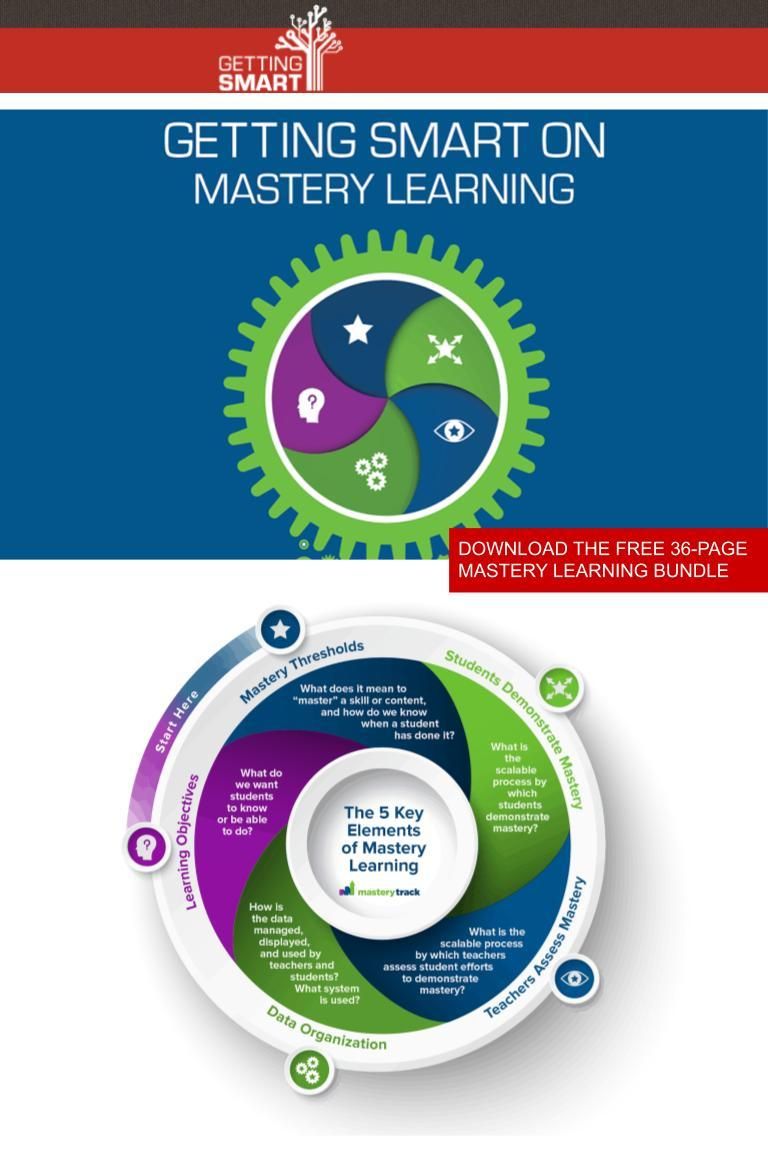
Mastery Learning is a teaching methodology that emphasizes the importance of students mastering a topic or concept before moving on to a new one. This method has gained popularity in recent years as it allows students to work at their own pace and ensures that they fully understand the material before progressing. Here are 8…
-
Empowerment through Self-Advocacy: The Key to Success in Alternative Education.

Self-advocacy skills training is an essential aspect of alternative schooling and education. It involves empowering students to speak up for themselves, make informed decisions, and take responsibility for their learning. The goal is to equip them with the necessary tools to advocate for their needs in various settings, including academic, social, and personal situations. One…
 Alternative Amie