Tag: collaboration
-
Unlocking the Power of Peer-to-Peer Learning in Alternative Education Settings
Peer-to-peer learning is a form of education that involves learners teaching each other. This approach has been gaining popularity in recent years, particularly in alternative schooling and education settings. In this post, we will explore the concept of peer-to-peer learning, its benefits, challenges, and examples of how it can be implemented. Traditionally, formal education systems…
-
Revolutionizing Education: The Power of Student-Centered Teaching Strategies
As a teacher who has been in the classroom for over a decade, I have seen firsthand how student-centered teaching strategies can truly revolutionize education. In a traditional classroom setting, the teacher is viewed as the sole authority figure and source of knowledge. However, in a student-centered environment, students are empowered to take ownership of…
-
Engage Students in Real-World Problem Solving with Project-Based Learning in Blended Classrooms

Project-Based Learning in Blended Classrooms Blended classrooms are becoming increasingly popular, especially in alternative schooling and education. They combine traditional face-to-face instruction with online learning, allowing students to learn at their own pace and using a variety of resources. One instructional approach that works particularly well in blended classrooms is project-based learning (PBL). PBL is…
-
“Empowering Students: The Benefits of Inquiry-Based Learning”

Inquiry-based learning is an approach to education that puts students at the center of their own learning experience. Rather than being passive recipients of information, students are encouraged to ask questions, investigate problems and work collaboratively to find solutions. At its core, inquiry-based learning is about building a culture of curiosity and exploration in the…
-
5 Ways to Cultivate a Collaborative Classroom Culture for Student Success

In today’s educational landscape, cultivating a collaborative classroom culture is essential for students to succeed. It is now widely accepted that learning in isolation doesn’t lead to the highest level of academic success or personal growth. Collaboration helps students develop critical thinking skills and learn how to work efficiently with others towards a common goal.…
-
15 Reasons Why Problem-Based Learning is the Future of Education

1. Encourages Critical Thinking: Problem-based learning promotes critical thinking skills by allowing students to think outside the box and apply their cognitive abilities to real-life situations. 2. Fosters Collaboration: This type of learning method encourages collaboration among peers as they work together to solve problems and achieve common goals. 3. Provides Autonomy: Students are given…
-
Reggio Emilia Approach: A Creative Alternative to Traditional Education

As an alternative approach to traditional education, the Reggio Emilia approach has gained a lot of attention in recent years. This unique method of teaching and learning is based on the idea that children are capable of learning through exploration and discovery, rather than being taught through rote memorization and repetition. The Reggio Emilia approach…
-
Project-Based Learning: A Hands-On Approach to Education
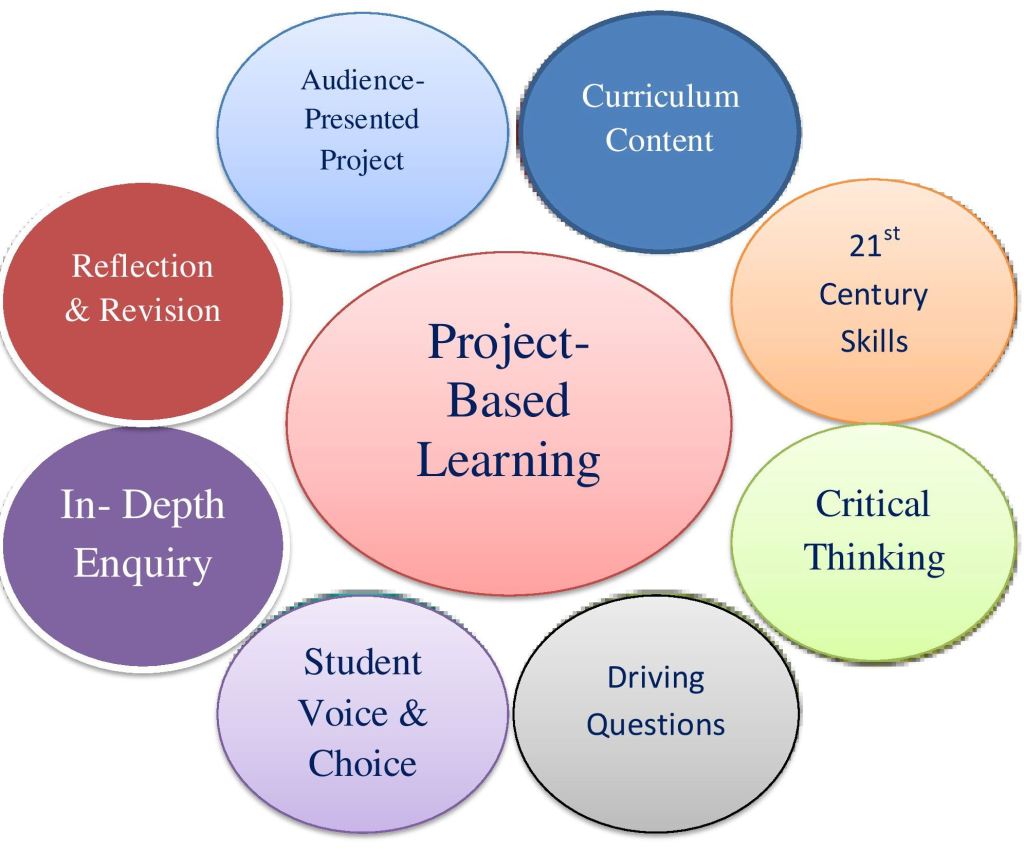
Project-based learning (PBL) is a teaching approach that has been gaining traction in recent years. This method emphasizes student-driven inquiry and hands-on projects to drive learning. Unlike traditional classroom instruction, where students are often passive receivers of information, PBL places students at the center of their own learning experiences. In PBL, students work on projects…
-
“Revolutionizing Education: The Power of Project-Based Learning”

Project-based learning (PBL) is a teaching approach that has gained popularity in recent years. Instead of traditional classroom lectures, PBL focuses on students working collaboratively on projects that allow them to apply their skills and knowledge to real-world problems. This method of education emphasizes critical thinking, problem-solving, and communication skills among students. One of the…
-
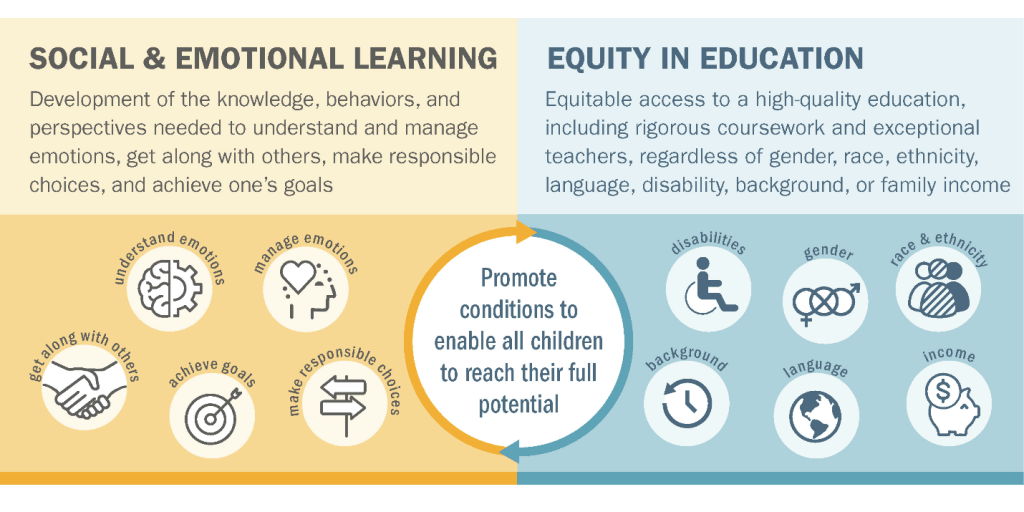
Project-based learning is a powerful method of education that allows students to gain knowledge and skills through hands-on experiences. It can also be a tool for social justice and equity when implemented effectively. One key aspect of project-based learning is choice. Students are given the freedom to choose their projects, which allows them to pursue…
 Alternative Amie