Tag: collaboration
-
Empowering Education: The Impact of Experiential Learning

Experiential learning is a powerful educational approach that emphasizes hands-on, real-world experiences as a primary method of teaching and learning. Instead of traditional classroom lectures and rote memorization, experiential learning encourages students to actively engage with the material through activities, experiments, projects, and reflection. This method allows learners to apply their knowledge in practical situations,…
-
Unleashing the Power of Authentic Assessments in Education

Authentic assessments have become increasingly popular in the realm of education as a more effective way to evaluate students’ understanding and skills. Unlike traditional standardized tests that rely on multiple-choice questions, authentic assessments focus on real-world applications and tasks that are relevant to students’ lives. This approach not only provides a more accurate representation of…
-
Empowering Education: The Impact of Inquiry-Based Learning

Inquiry-based learning is a dynamic approach to education that prioritizes curiosity, critical thinking, and problem-solving skills. Instead of relying solely on traditional methods like lectures and textbooks, this innovative teaching strategy empowers students to take ownership of their learning process by encouraging them to ask questions, explore topics of interest, conduct research, and collaborate with…
-
Empowering Education: The Rise of Peer Grading in Alternative Schools

Peer grading systems have become a popular method of assessment in many educational settings, including alternative schools. This approach involves students assessing the work of their peers based on predetermined criteria, providing feedback and assigning grades accordingly. While traditional grading systems are typically carried out solely by teachers, peer grading offers a range of benefits…
-
The Power of Group Discussions in Alternative Education: Fostering Collaboration and Critical Thinking
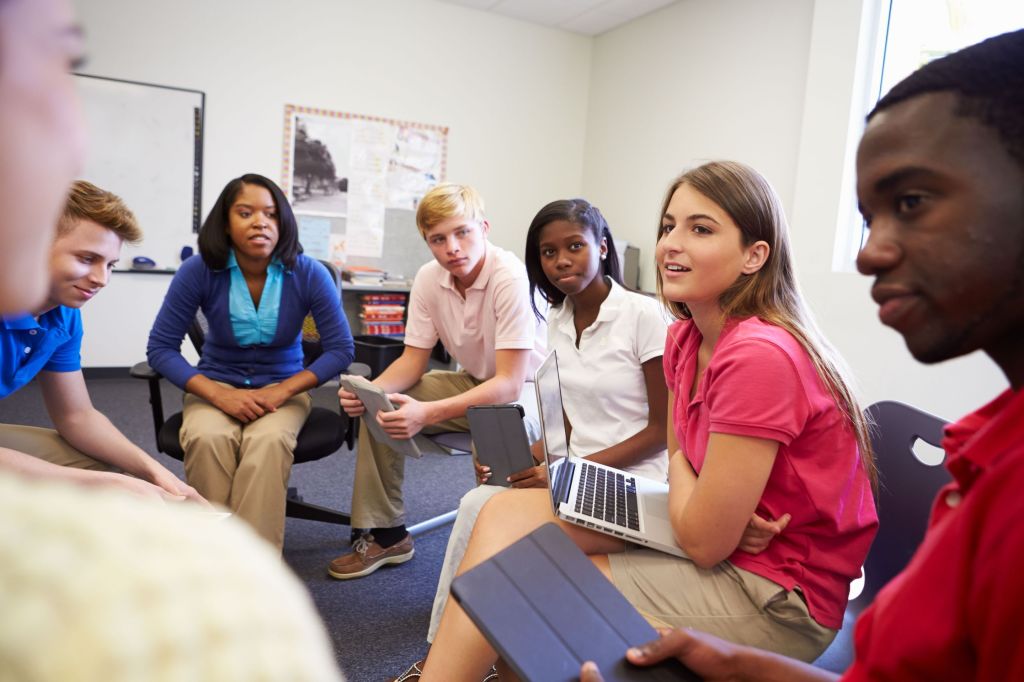
Group discussions are a valuable component of alternative schooling and education programs, as they offer numerous benefits for students in terms of learning and personal development. These discussions provide a platform for students to engage with their peers, share ideas, collaborate on projects, and develop critical thinking skills. In this roundup post, we will explore…
-
Mastering the Art of Problem-Solving in Alternative Education Settings

Problem-solving skills are essential in today’s fast-paced and ever-changing world. Whether you’re a student, a teacher, or a parent involved in alternative schooling and education, having strong problem-solving abilities can help navigate challenges and achieve success. In this article, we will explore eight key problem-solving skills that are crucial for individuals in alternative education settings.…
-
Unlocking Potential: The Power of Experiential Workshops in Alternative Education
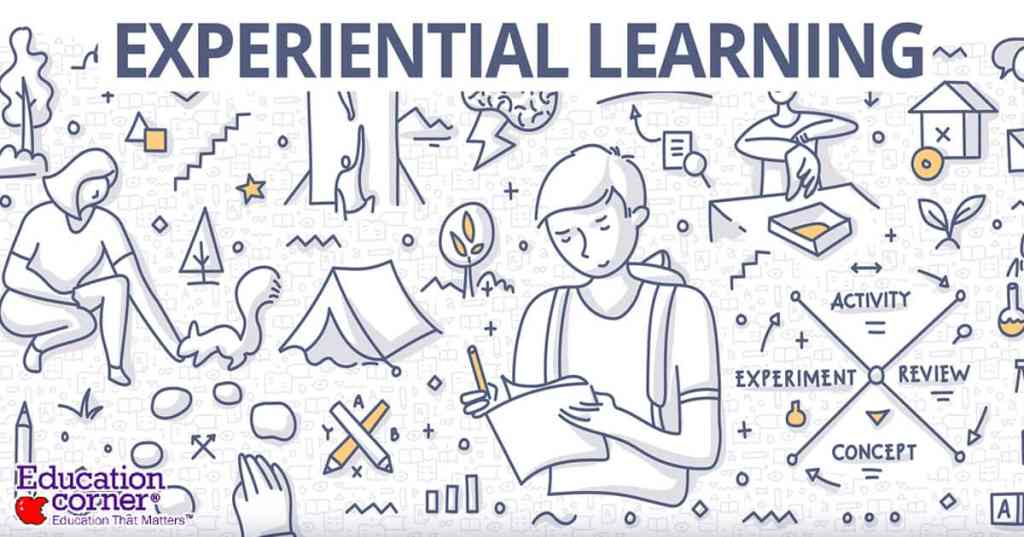
Experiential workshops have long been a cornerstone of alternative education, providing students with hands-on learning experiences that go beyond traditional classroom settings. These workshops offer participants the opportunity to engage in real-world activities, fostering critical thinking skills, creativity, collaboration, and problem-solving abilities. One of the key benefits of experiential workshops is their ability to cater…
-
Unleashing the Power of Socratic Seminars: Fostering Critical Thinking and Collaboration in Education

Socratic seminars have been a cornerstone of alternative education for decades, offering a unique approach to learning that fosters critical thinking, collaboration, and deep engagement with complex ideas. As a writer and journalist who has had the privilege of observing and participating in numerous Socratic seminars, I can attest to the profound impact this method…
-
Empowering Students: The Impact of Peer Mentoring on Problem-Solving Skills

Peer mentoring for problem-solving skills is a valuable and effective strategy that alternative education settings can implement to support students in developing crucial life skills. By pairing students with more experienced peers who can provide guidance, encouragement, and advice, peer mentoring programs create a supportive environment where individuals can learn from each other’s experiences and…
-
Empowering Students Through Project-Based Learning: A Path to Success
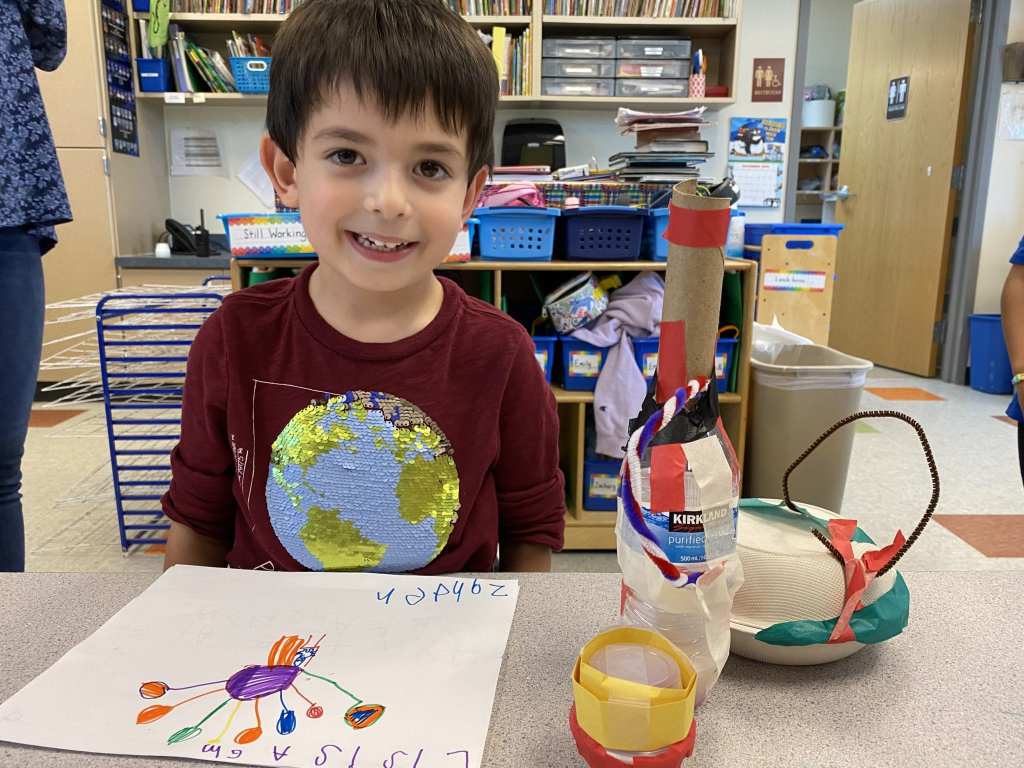
Project-based learning (PBL) is a student-centered teaching method that empowers students to actively engage in exploring real-world problems and challenges. This approach not only enhances students’ critical thinking skills but also promotes creativity, collaboration, and communication. By working on projects that have real-life relevance, students are motivated to delve deeper into the subject matter and…
 Alternative Amie