Tag: collaboration
-
Empowering Students Through Inquiry-Based Learning: Fostering Curiosity and Critical Thinking
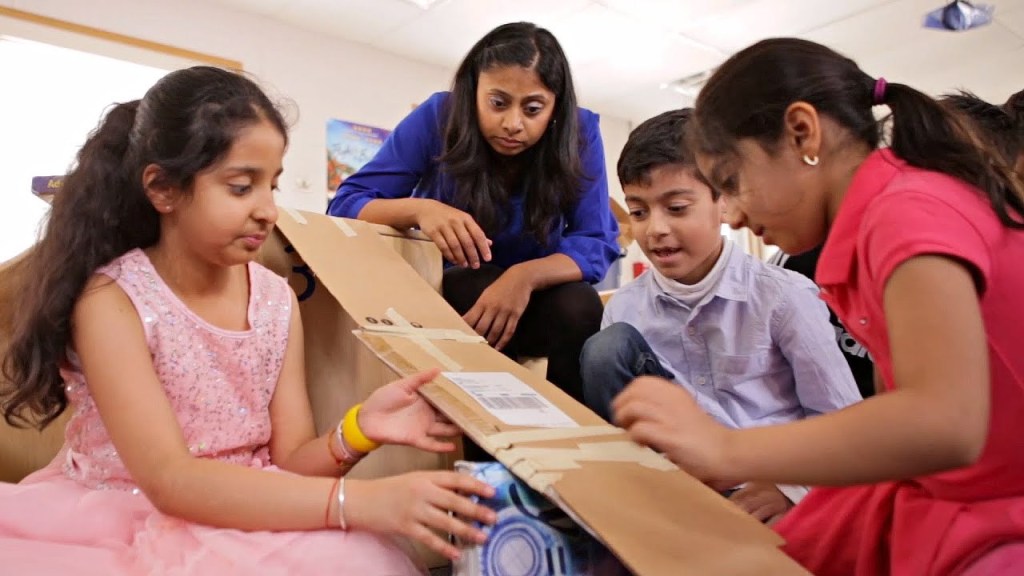
Inquiry-based learning is a student-centered approach that focuses on fostering critical thinking skills, curiosity, and a deep understanding of topics through exploration and investigation. This method challenges traditional teaching practices by encouraging students to ask questions, pursue answers independently, and engage in hands-on activities to construct their knowledge actively. Inquiry-based learning is rooted in the…
-
Boosting Education Through Community Partnerships

Community partnerships in education have long been recognized as a vital component in enhancing the learning experience for students. By collaborating with various organizations, businesses, and individuals within the community, schools can offer unique opportunities and resources that might not otherwise be available. One key benefit of community partnerships is the ability to expose students…
-
Empowering Students: The Key to Self-Advocacy Skills in Alternative Education
Self-advocacy skills development is a crucial aspect of alternative schooling and education. It empowers students to understand their own strengths and weaknesses, communicate their needs effectively, and take charge of their learning experiences. By fostering self-advocacy skills in students, educators can help them become confident, independent learners who are better equipped to navigate the challenges…
-
Unlocking the Power of Interdisciplinary Studies in Education

Interdisciplinary studies have been gaining popularity in the field of education, offering a unique approach to learning that combines multiple disciplines and encourages students to think outside the box. By breaking down traditional academic silos and integrating various subjects, interdisciplinary studies provide students with a well-rounded education that fosters critical thinking, creativity, and problem-solving skills.…
-
Transforming Education: The Power of Peer Assessment in Alternative Schooling Settings

Peer assessment is a powerful tool that can transform the learning experience in alternative schooling settings, offering students the opportunity to take ownership of their education while fostering collaboration, critical thinking, and community-building. In this article, we will explore the various ways peer assessment can be implemented in non-traditional educational environments and discuss its benefits…
-
Empowering Creativity: The Power of Peer Assessment in Education

Peer assessment for creativity and innovation is a valuable tool in alternative schooling and education settings. It involves students evaluating the work of their peers to provide feedback, insights, and suggestions for improvement. This process not only helps students develop critical thinking skills but also fosters a sense of collaboration, communication, and empathy among classmates.…
-
Unlocking Potential: The Power of Arts Integration in Education

When it comes to education, there’s a growing trend that educators and parents are turning to in order to enhance the learning experience for students: arts integration. This approach combines arts such as music, visual arts, drama, and dance with traditional academic subjects like math, science, language arts, and social studies. The idea behind arts…
-
Navigating Peer Assessment Challenges in Alternative Schools: Fostering Collaboration and Inclusivity

Peer assessment can be a valuable tool in alternative schools, offering students the opportunity to provide feedback to their peers on their work. However, implementing peer assessment in these settings comes with its own set of challenges. In project-based learning environments, where students are often working collaboratively on complex projects, peer assessment can help foster…
-
Empowering Students Through Student-Led Discussions and Debates
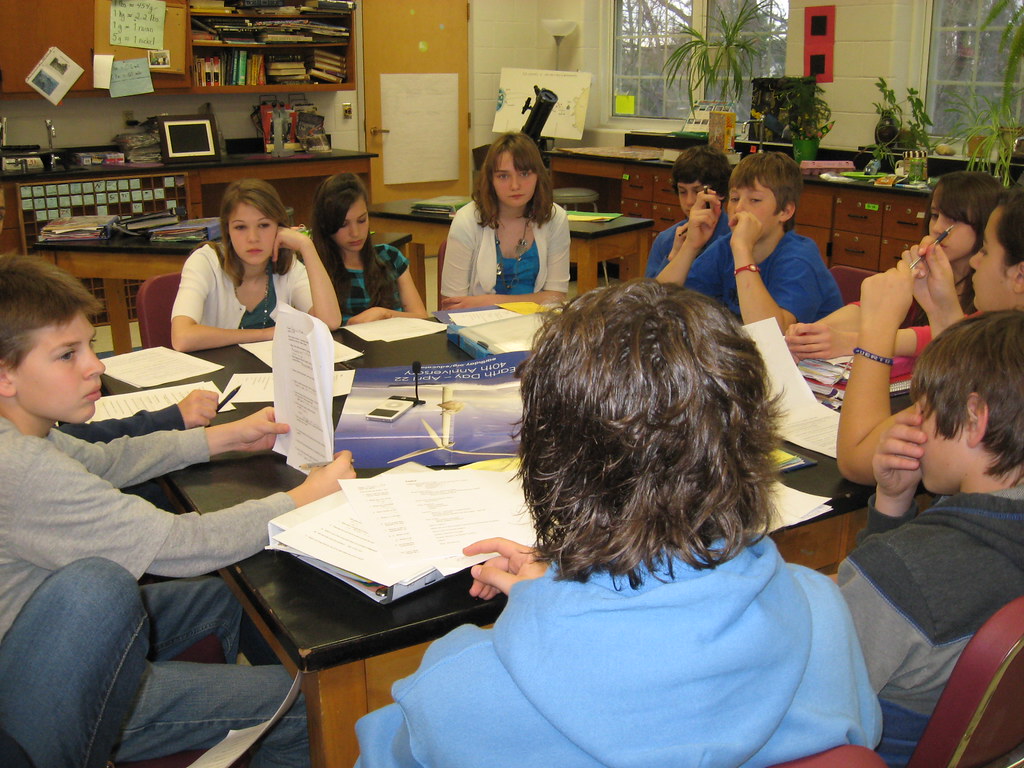
Student-led discussions and debates are powerful tools in alternative education settings for fostering critical thinking, communication skills, collaboration, and empathy among students. When implemented effectively, these activities can create a dynamic learning environment where students take ownership of their learning and engage actively with the material. To begin implementing student-led discussions and debates in the…
-
Navigating the Path to Success: Key Aspects of Individualized Education Programs (IEPs)
Transition planning is a crucial aspect of Individualized Education Programs (IEPs) for students with disabilities. It involves preparing students for life after high school, whether that be further education, employment, or independent living. Transition planning should ideally start as early as possible to ensure a smooth and successful transition. Assistive technology plays a significant role…
 Alternative Amie