Tag: collaboration
-
Creating a Comfortable Learning Environment: Key Tips for Success

Creating a Comfortable Learning Environment Education is not just about imparting knowledge; it is also about creating an environment where students feel comfortable and motivated to learn. A comfortable learning environment plays a crucial role in fostering creativity, critical thinking, and overall academic success. Whether you are a parent, educator, or student yourself, here are…
-
The Great Debate: Synchronous vs Asynchronous Learning in Alternative Education
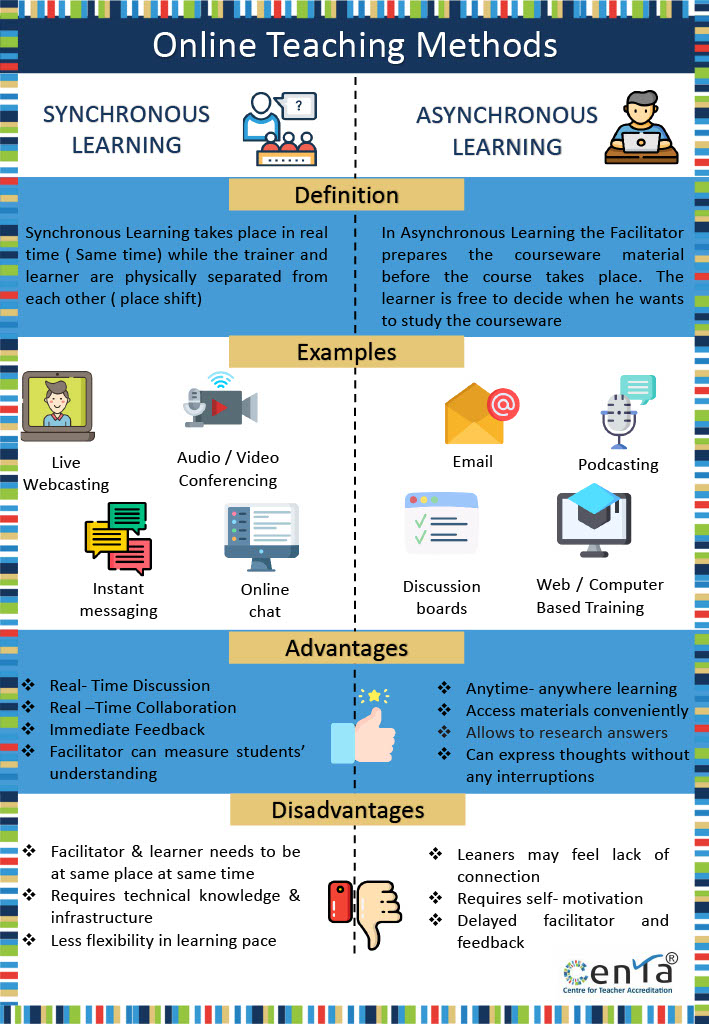
When it comes to alternative schooling and education, one important consideration is the learning style: synchronous or asynchronous. Synchronous learning refers to real-time interaction between teachers and students, while asynchronous learning allows for flexibility in time and pace. Synchronous learning typically takes place through live video conferences or virtual classrooms, where students can participate in…
-
Unlocking the Power of Learning Communities: A Path to Engaging Education

When it comes to education, learning communities have been gaining popularity as an alternative approach. These communities offer a unique and engaging environment where students can learn from each other, collaborate on projects, and develop essential life skills. In this article, we will explore the benefits of learning communities and why they are worth considering.…
-
The Power of Parent Involvement: A Key to Success in Waldorf Schools
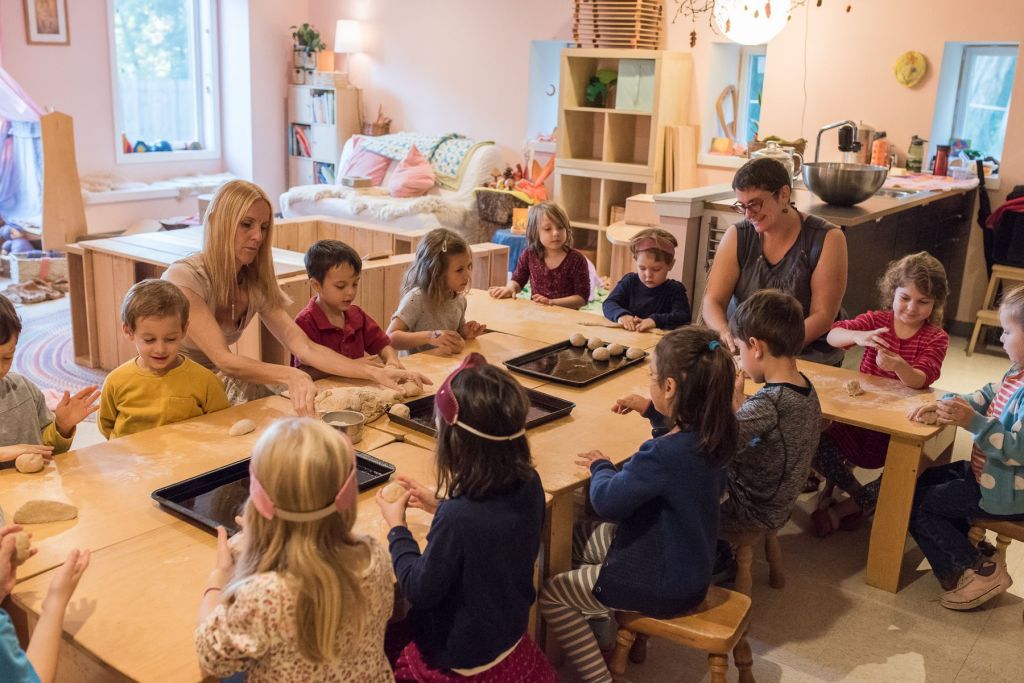
Parent Involvement in Waldorf Schools: A Retrospective Introduction: Waldorf education, which originated in the early 20th century by Rudolf Steiner, has gained popularity around the world for its holistic approach and emphasis on creativity. One of the distinguishing features of Waldorf schools is their commitment to fostering a strong partnership between parents and teachers. This…
-
Unlocking the Power of Peer Feedback: A Game-Changer in Alternative Education
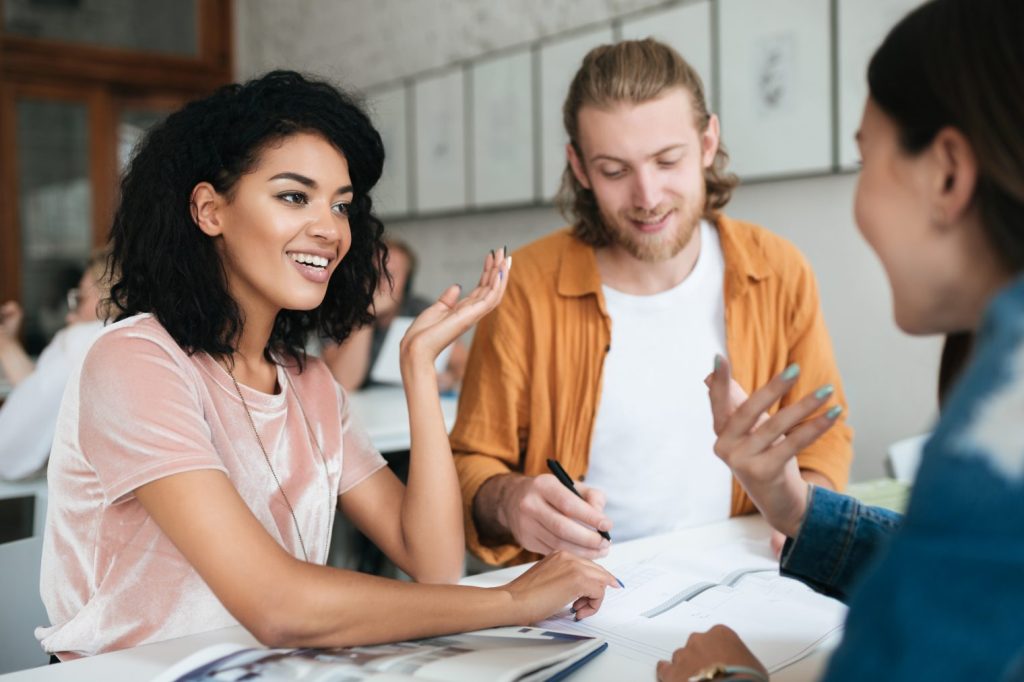
Peer feedback is an essential tool in alternative schooling and education. It allows students to learn from each other, develop critical thinking skills, and improve their own work. Here are some tips for providing effective peer feedback: 1. Be constructive: When giving feedback, focus on the strengths of the work first. Then, point out areas…
-
Promoting Inclusive and Equitable Participation in Group Work: Strategies for Success

Promoting Inclusive and Equitable Participation in Group Work Group work is a fundamental aspect of alternative schooling and education. It encourages collaboration, cooperation, critical thinking, and problem-solving skills among students. However, it is essential to ensure that group work promotes inclusive and equitable participation for all members. This article will explore practical strategies to create…
-
“Embracing the Outdoors: Alternative Education Thrives with Experiential Learning”

Outdoor and experiential learning in learning communities: One of the key components of alternative education is the emphasis on hands-on, experiential learning. This approach recognizes that students learn best when they are actively engaged in their education and have the opportunity to apply their knowledge in real-world contexts. Outdoor and experiential learning play a significant…
-
Creating a Dynamic Learning Environment: Embracing Flexible Seating Arrangements

Flexible Seating Arrangements: Creating a Dynamic Learning Environment In recent years, there has been a growing trend in education to move away from traditional classroom setups towards more flexible seating arrangements. These innovative environments are designed to enhance collaboration, creativity, and student engagement. By allowing students to choose where and how they sit during class…
-
“Design Thinking Revolutionizes Education: Empathy, Critical Thinking, and Innovation Take Center Stage”
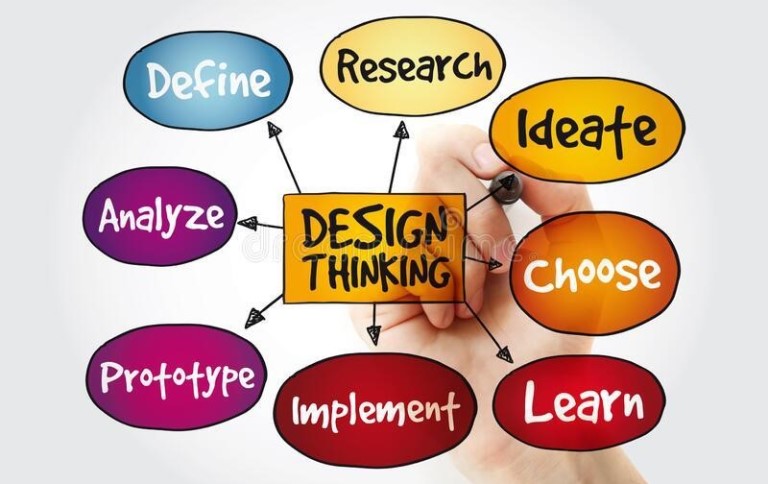
Design thinking is a powerful approach that has been gaining traction in the field of education. It offers a new way of problem-solving, encouraging students to think creatively and critically while also fostering empathy and collaboration. By incorporating design thinking into the classroom, educators can provide students with a more engaging and relevant learning experience.…
-
Boosting Engagement and Empowering Students: Gamification in Personalized Learning

Gamification in Personalized Learning Personalized learning is an educational approach that tailors instruction to the individual needs, interests, and pace of each learner. It focuses on empowering students to take ownership of their education and develop skills that are relevant to their future. One way to enhance personalized learning is through the use of gamification.…
 Alternative Amie