Tag: classroom environment
-
Unlocking Growth and Collaboration: The Power of Peer Assessments in Alternative Education

Peer Assessments: Fostering Collaboration and Growth in Alternative Education In the realm of alternative schooling and education, peer assessments have emerged as a powerful tool for promoting collaboration, personal growth, and self-reflection among students. Unlike traditional teacher-led evaluations, peer assessments allow learners to actively engage with their peers’ work, providing valuable feedback and insights that…
-
“Mindfulness in Education: Cultivating Focus, Resilience, and Compassion for Students”

In today’s fast-paced world, where students are constantly bombarded with information and distractions, the practice of mindfulness is gaining recognition as a valuable tool in education. Mindfulness is defined as paying attention to the present moment without judgment. It involves being fully aware of one’s thoughts, feelings, and sensations, enabling individuals to cultivate focus, emotional…
-
“Unleashing Creativity: Embracing Flexibility in the Classroom”

Creating a Flexible Seating Environment Q: What is a flexible seating environment? A: A flexible seating environment refers to a classroom or learning space that incorporates various seating options and arrangements to provide students with the freedom to choose where and how they sit. Traditional classrooms typically have rows of desks facing the front, but…
-
“Unlocking Success: How Social-Emotional Learning Transforms Education and Empowers Students”

Social-emotional learning (SEL) has been gaining significant attention in recent years as educators and parents recognize the importance of developing students’ social and emotional skills alongside their academic knowledge. SEL refers to the process through which individuals acquire and apply the knowledge, attitudes, and skills necessary to understand and manage emotions, set and achieve positive…
-
“Empowering English Language Learners: Personalized Support Strategies for Academic Success”

As the number of English language learners (ELLs) in schools continues to grow, educators are seeking ways to provide personalized support for these students. Personalized support is crucial in helping ELLs thrive academically and socially. One approach to personalized support is through differentiated instruction. This involves tailoring lessons and assignments based on each student’s language…
-
Unlocking the Power of Sensory Processing: Supporting Children’s Unique Needs

Sensory Processing Differences: Understanding and Supporting Children’s Unique Needs Introduction: In the world of education, it is crucial to recognize that each child possesses unique strengths and challenges. One aspect that significantly impacts a child’s ability to learn and thrive in educational settings is sensory processing differences. Sensory processing refers to how our brains receive,…
-
“Empowering Students: The Benefits of Student Choice in Seating Arrangements”
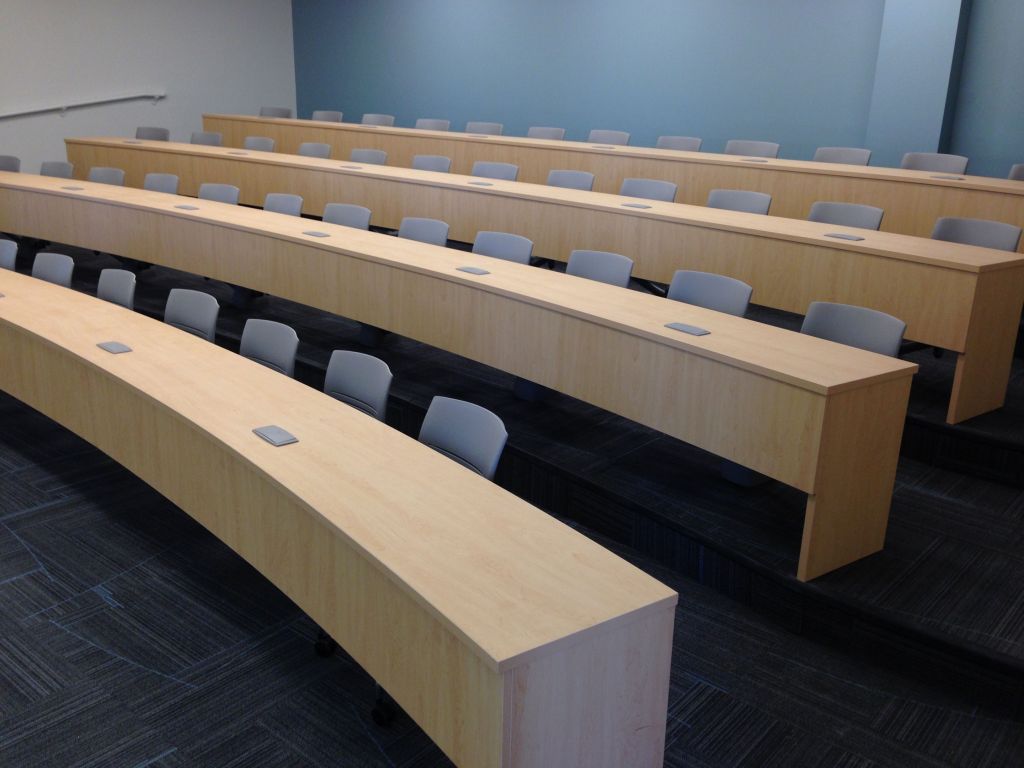
Student Choice and Autonomy in Seating Arrangements In traditional classrooms, seating arrangements have often been set by the teacher, with rows of desks facing forward towards the front of the classroom. However, alternative schools and educators are increasingly recognizing the importance of student choice and autonomy in determining their own seating arrangements. Allowing students to…
-
“Unlocking Creativity: The Reggio Emilia Approach Revolutionizes Education Worldwide”

The Reggio Emilia approach is an innovative educational philosophy that originated in the town of Reggio Emilia, Italy, after World War II. Developed by Loris Malaguzzi and a group of parents who were seeking a new way to educate their children, this approach has gained popularity worldwide for its emphasis on creativity, collaboration, and child-led…
-
“Unlocking the Potential: How Differentiated Instruction Thrives in Multiage Classrooms”
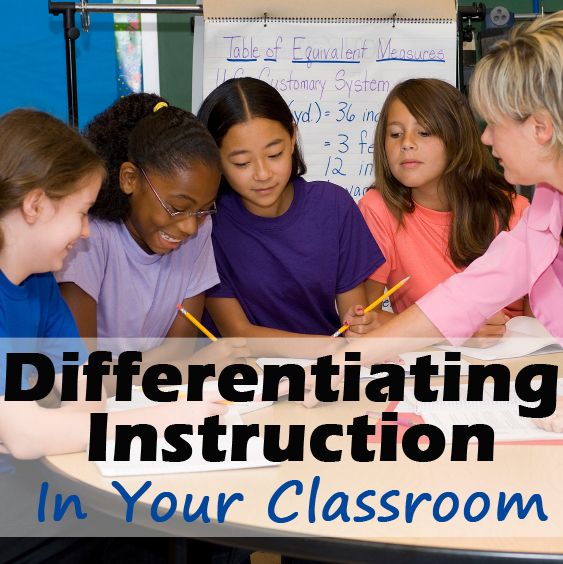
Differentiated instruction is a teaching strategy that recognizes and caters to the diverse learning needs, abilities, and interests of students within a classroom. In a multiage classroom setting, where students of different ages and grade levels are grouped together, differentiated instruction becomes crucial in meeting the unique educational requirements of each student. One of the…
-
Cooperative Learning: Empowering Students through Collaboration and Problem-Solving Skills
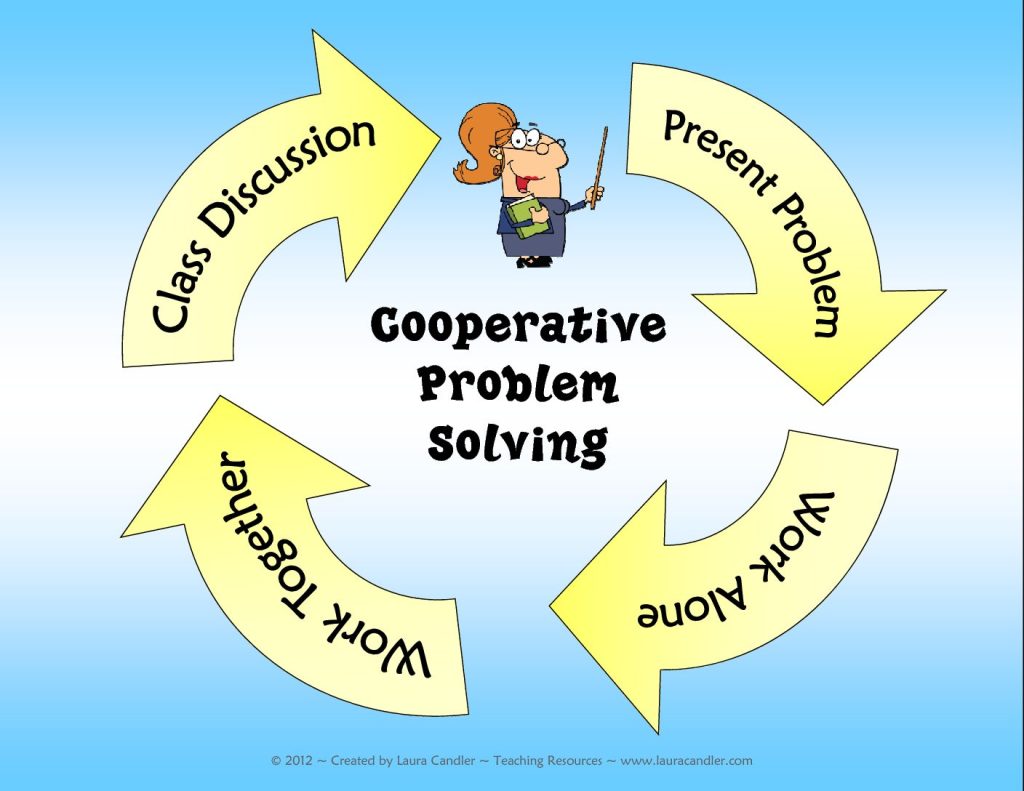
Cooperative Learning and Problem-Solving Skills: Fostering Collaboration and Empowering Students In today’s rapidly evolving world, traditional methods of education are being challenged. As educators strive to prepare students for the future, alternative schooling approaches that prioritize collaboration and problem-solving skills are gaining popularity. One such approach is cooperative learning, which fosters teamwork, critical thinking, and…
 Alternative Amie