Tag: classroom environment
-
Embracing Diversity: Culturally Responsive Teaching in Education

Culturally responsive teaching is a pedagogical approach that recognizes the importance of including students’ cultural backgrounds in all aspects of learning. It is a framework that aims to create an inclusive and equitable educational environment where every student feels valued, respected, and understood. One key aspect of culturally responsive teaching is building strong relationships with…
-
Creating Dynamic Classrooms: The Rise of Flexible Seating Strategies

Classroom management strategies with flexible seating have gained popularity in recent years as educators seek to create more student-centered learning environments. To delve deeper into this topic, I had the opportunity to interview Sarah Johnson, a seasoned educator with over 15 years of experience implementing flexible seating in her classroom. Sarah emphasized the importance of…
-
Unleashing Potential: The Power of Differentiated Instruction in Education
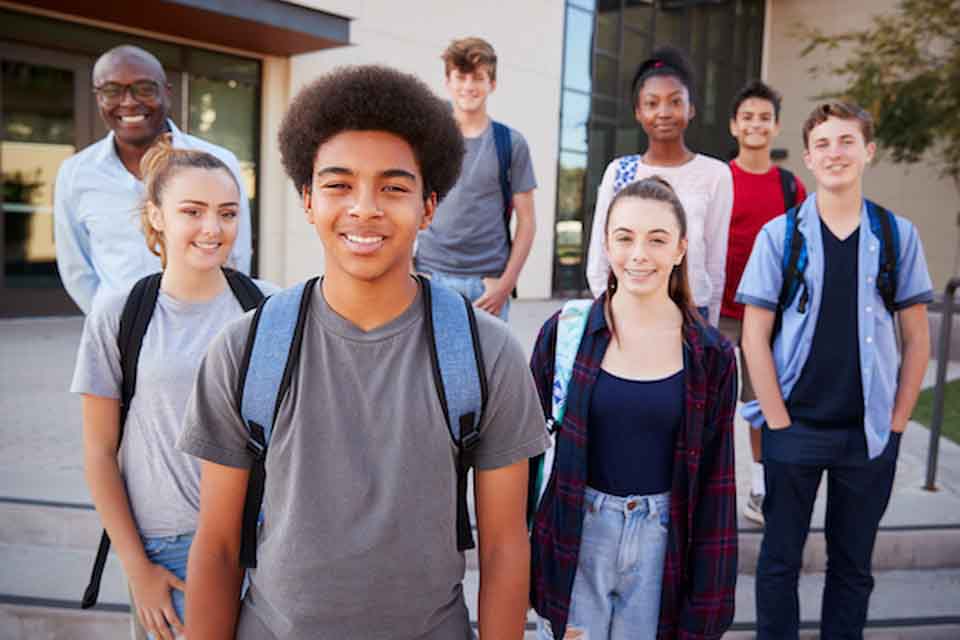
Differentiated instruction has become a buzzword in the education world, touted as the key to unlocking student potential and ensuring that every child receives a personalized learning experience. But what exactly is differentiated instruction, and how does it work? Let’s take a closer look at this approach to teaching and learning. At its core, differentiated…
-
Unleashing the Power of Metacognition: Key to Student Success

Metacognition is a term that might sound complex at first, but its concept is actually quite simple and essential for effective learning. In the realm of education, metacognition plays a crucial role in helping students become more independent, self-regulated learners. It involves being aware of one’s own thinking processes and understanding how to regulate and…
-
Boosting Engagement: The Power of Think-Pair-Share in Alternative Education
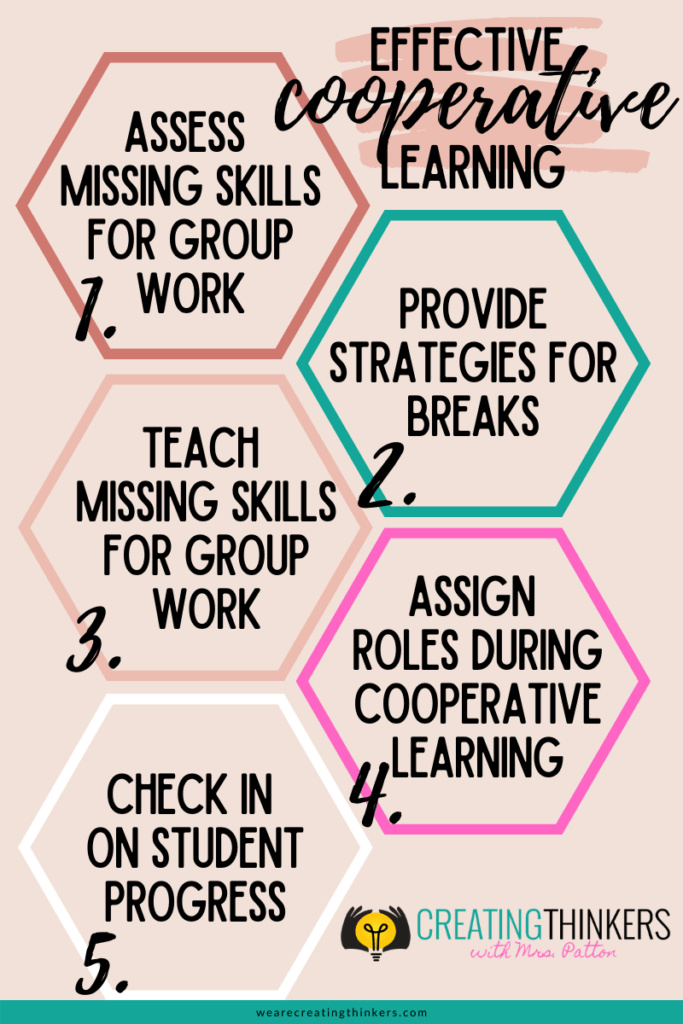
Think-pair-share is a widely-used teaching strategy that fosters active learning and student engagement in the classroom. Originally developed by social psychologist Frank Lyman and his colleagues in the 1980s, this collaborative learning technique has since gained popularity across various educational settings, including alternative schools. The think-pair-share strategy involves three main steps: thinking, pairing, and sharing.…
-
“Dynamic Learning: Movement Breaks and Flexible Seating Revolutionize Education!”

Incorporating movement breaks with flexible seating options is an innovative approach to learning that has been gaining popularity in alternative education settings. This method recognizes the importance of physical activity and varied seating arrangements in promoting student engagement, focus, and overall well-being. Movement breaks are short intervals during which students are encouraged to engage in…
-
Empowering Students: The Value of Peer Assessment in Self-Regulated Learning
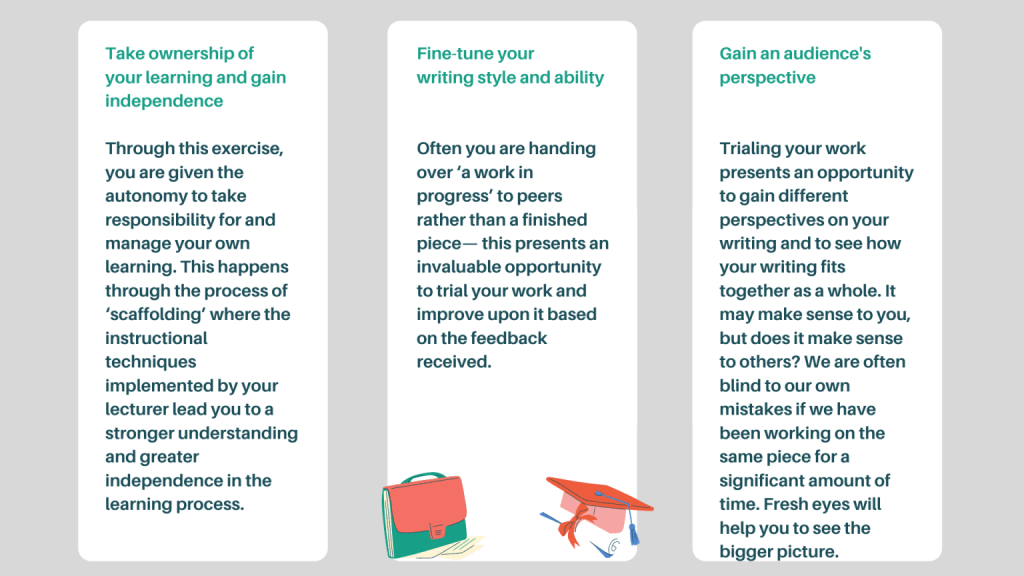
Peer assessment is a valuable tool in the realm of self-regulated learning, allowing students to take control of their own educational journey while also benefiting from the perspectives and feedback of their peers. This collaborative approach not only enhances academic performance but also fosters important skills such as critical thinking, communication, and self-reflection. Self-regulated learning…
-
“Breaking the Mold: How a Flexible Seating Plan Boosts Collaboration and Teamwork in the Classroom”

Creating a Flexible Seating Plan that Promotes Collaboration and Teamwork In traditional classrooms, students are often confined to individual desks arranged in rows facing the front of the room. This rigid seating arrangement can hinder collaboration and limit opportunities for students to work together effectively. However, alternative schooling and education models recognize the importance of…
-
“Flexible Seating: Creating Inclusive and Engaging Classrooms for All”
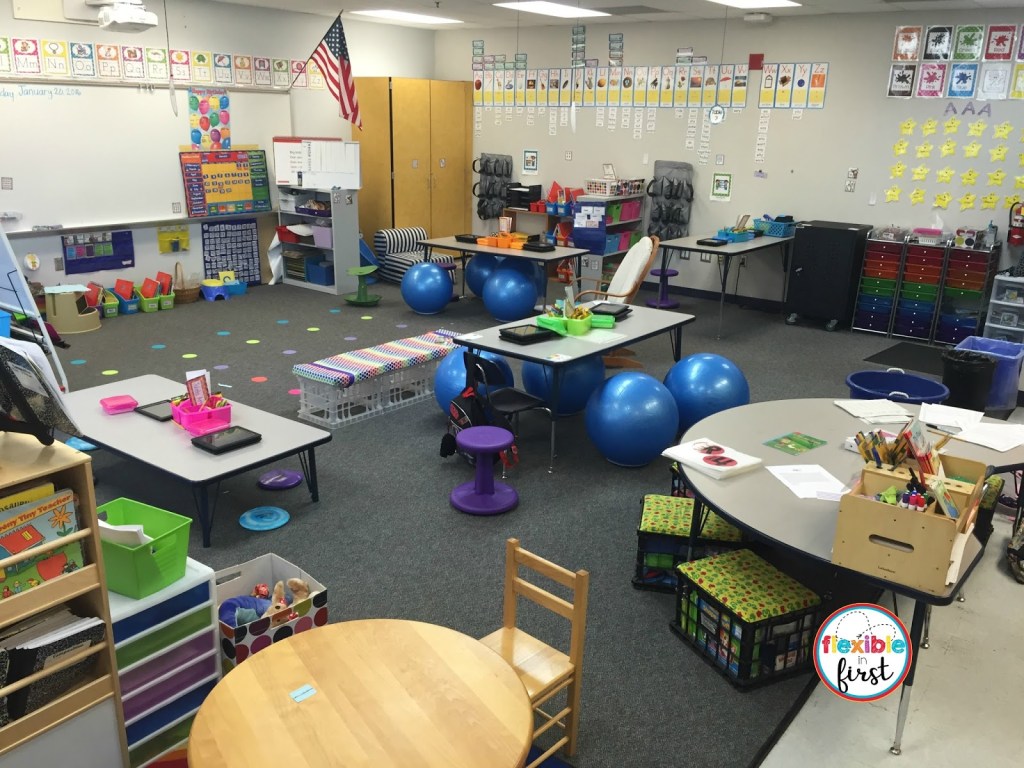
Flexible seating has become a popular trend in schools around the world as educators strive to create inclusive and engaging learning environments. This approach recognizes that students have different learning styles, preferences, and needs, and aims to provide them with choices in how they learn best. Gone are the days when classrooms were filled with…
-
“Cooperative Learning: Empowering Students Through Collaboration and Achievement”

Cooperative learning is an educational approach that emphasizes collaboration, teamwork, and active participation among students. It involves grouping students together to work on tasks or projects, fostering a sense of shared responsibility and collective achievement. This teaching method has gained popularity in recent years due to its numerous benefits for students’ academic, social, and emotional…
 Alternative Amie