Tag: checklists
-
Empowering Students Through Peer Assessment: Enhancing Learning and Collaboration

Self-assessment techniques are valuable tools for students to reflect on their own learning progress and performance. One common self-assessment method is the use of checklists or rubrics that outline specific criteria for success, allowing students to evaluate their work against these standards. Journaling or reflective writing can also help students track their growth and identify…
-
Empowering Education: The Vital Role of Formative Assessment in Alternative Schools

Formative assessment is a vital component of the educational process, especially in alternative schooling and education settings. Unlike traditional assessments that come at the end of a lesson or unit to evaluate students’ understanding and retention of material, formative assessment occurs throughout the learning process. It provides ongoing feedback to both educators and students, enabling…
-
“Empower Your Learning: Top 10 Self-Assessment Strategies for Alternative Education Success”

Self-assessment is a crucial skill for students in alternative schooling and education settings as it empowers them to take ownership of their learning journey. By regularly reflecting on their progress, strengths, and areas for improvement, students can enhance their academic performance and personal growth. Here are ten effective self-assessment strategies that can help students succeed…
-
Cooperative Assessment Strategies: Fostering Collaboration and Growth in Alternative Education
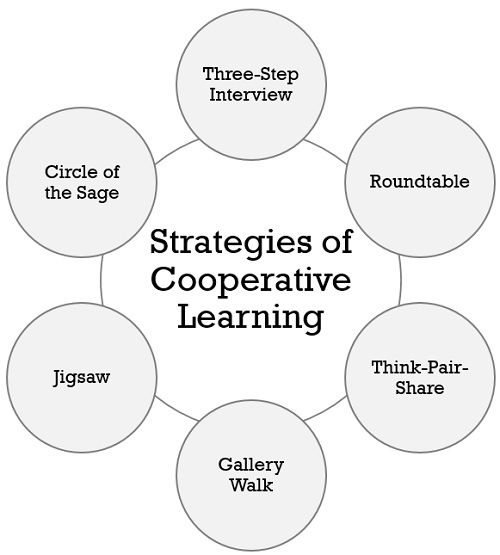
Cooperative Assessment Strategies: Fostering Collaboration and Growth in Alternative Education Introduction: In alternative schooling and education, the traditional approach to assessment often falls short. With its focus on individual achievement and competitiveness, it fails to capture the essence of cooperative learning environments that prioritize collaboration, teamwork, and collective growth. As a result, educators are increasingly…
-
Unlocking the Power of Peer Assessment: Strategies for Success

Effective Strategies for Peer Assessment Introduction: Peer assessment is a valuable tool in alternative schooling and education. It allows students to actively engage with their own learning process and develop important skills such as critical thinking, communication, and self-reflection. By involving students in the evaluation of their peers’ work, peer assessment promotes a collaborative and…
-
Empowering Students Through Self-Assessment in Alternative Education
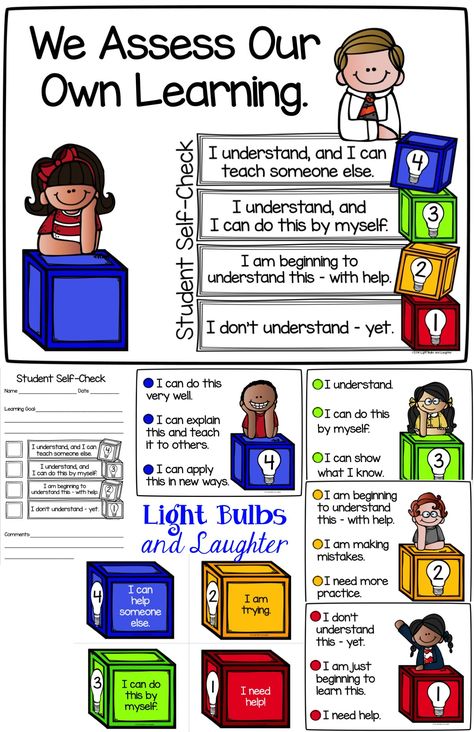
Self-assessment plays a crucial role in project-based learning, providing students with the opportunity to reflect on their progress, identify areas for improvement, and take ownership of their learning. This article will explore the various ways self-assessment can be incorporated into alternative schooling and education settings. In project-based learning, students are often tasked with completing complex…
-
Alternative Education’s Guide to Effective Feedback and Grading

Feedback and Grading in Alternative Education: A Comprehensive Guide As a student or parent, you may have heard about alternative education. This type of education is gaining popularity because it offers a different approach to traditional schooling. One aspect that sets this form of education apart from traditional schools is its focus on feedback and…
-
Unlocking the Full Potential of Experiential Learning: The Power of Portfolio Assessment
Portfolio Assessment for Experiential Learning: A Comprehensive Guide In the realm of alternative schooling and education, experiential learning is gaining popularity as a method that engages students in hands-on experiences to help them acquire knowledge and develop skills. With this approach, the focus is on learning by doing rather than just listening or reading. While…
-
Observation and Assessment Methods: The Key to Individualized Learning in Montessori Education

Observation and Assessment Methods in Montessori Education Montessori education is an innovative approach to learning that focuses on the individual needs of each child. The Montessori philosophy, developed by Dr. Maria Montessori, provides a framework for teaching children based on their unique talents, interests, and developmental stages. One of the key elements of this educational…
-
The Power of Self-Assessment: Empowering Alternative Education Students

Self-Assessment: The Importance of Reflection in Alternative Education In alternative schooling and education, self-assessment is a vital tool that empowers students to take ownership of their learning. It provides a platform for reflection, growth, and development that goes beyond the traditional grading system. By promoting self-awareness and critical thinking skills, self-assessment enables learners to identify…
 Alternative Amie