Tag: Autism Spectrum Disorder
-
Unlocking Student Potential: The Power of Narrative Assessments in Education

Narrative assessments in physical education offer a holistic approach to evaluating students’ progress and development beyond traditional quantitative measures. By incorporating storytelling and qualitative observations, educators gain deeper insights into students’ skills, attitudes, and behaviors in physical activities. These narrative assessments not only provide a more comprehensive view of student performance but also foster a…
-
Navigating Neurodiversity: Understanding, Advocating, and Supporting Differences

Sensory processing differences in neurodivergent individuals: 1. Sensory processing differences in neurodivergent individuals are a key aspect of understanding and supporting the diverse needs of this population. Many neurodivergent individuals, such as those with autism spectrum disorder (ASD) or attention deficit hyperactivity disorder (ADHD), may experience sensory sensitivities or sensory seeking behaviors that can impact…
-
Unlocking Potential: Assistive Technology Empowers Neurodiverse Learners to Succeed
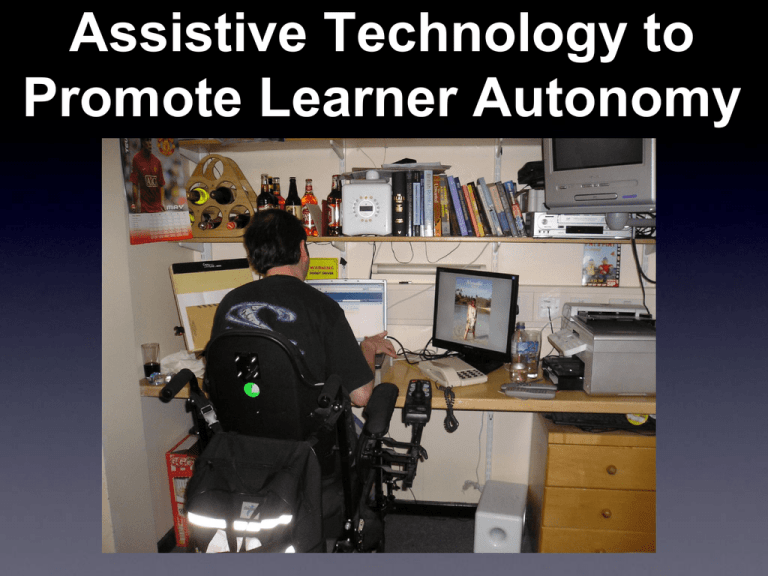
Assistive Technology for Neurodiverse Learners: Unlocking Potential and Empowering Success In today’s diverse educational landscape, it is crucial to recognize and support the unique learning needs of neurodiverse students. Neurodiversity refers to the natural variations in how individuals perceive, process, and learn information. It encompasses conditions such as autism spectrum disorder, attention deficit hyperactivity disorder…
-
Unlocking the Potential of Twice-Exceptional Students: Nurturing Giftedness and Overcoming Challenges
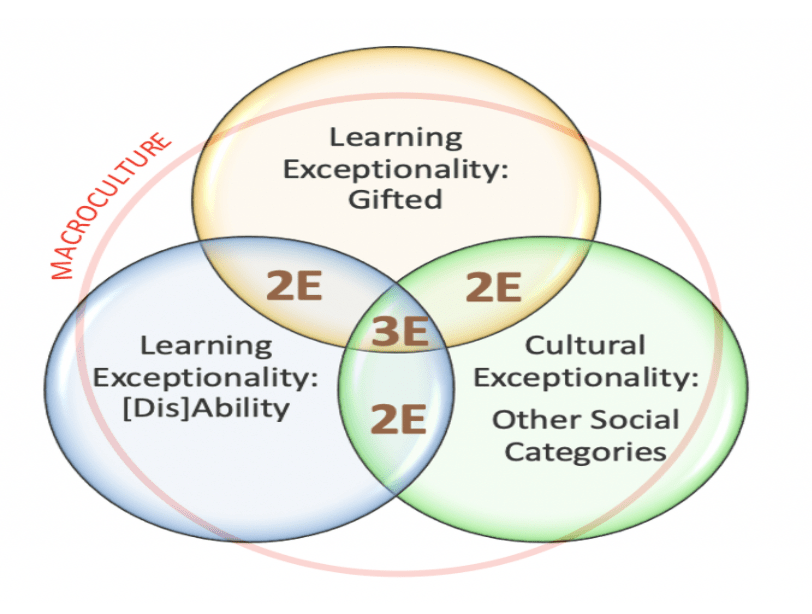
Twice-exceptional students, also known as 2e students, are a unique population within the realm of gifted education. These students possess both high intellectual ability and a learning or developmental disability. They may have ADHD, autism spectrum disorder, or other challenges that can mask their exceptional talents and hinder their academic performance. Identifying and supporting twice-exceptional…
-
“Embracing Neurodiversity: From Urban Centers to Remote Landscapes, Inclusion Knows No Boundaries”
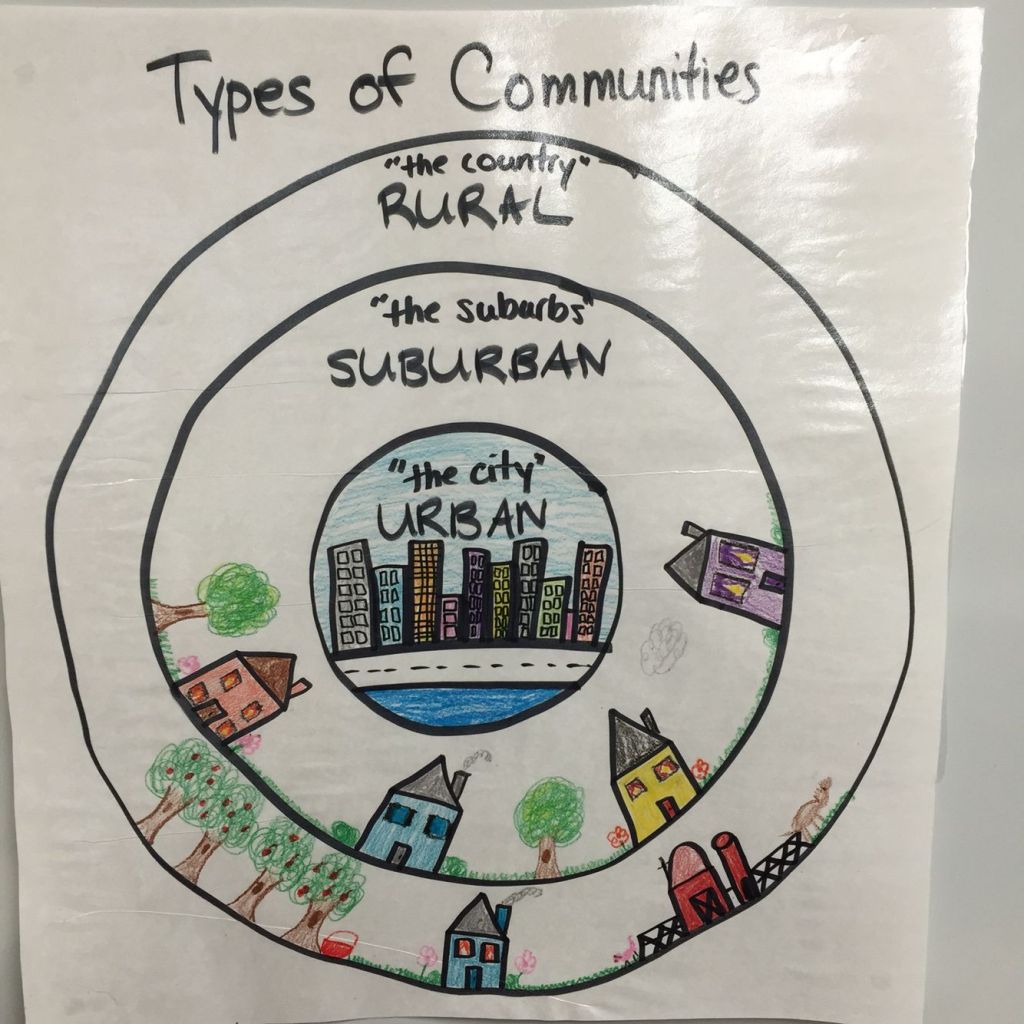
Neurodiversity in Different Environments Introduction: Neurodiversity refers to the natural variation in neurological conditions and brain functioning among individuals. It recognizes that neurodevelopmental disorders, such as autism spectrum disorder (ASD), attention deficit hyperactivity disorder (ADHD), dyslexia, and others, are simply different ways of being rather than deficits to be cured or fixed. This concept emphasizes…
-
8 Ways Alternative Schooling Benefits Students with Autism Spectrum Disorder

Autism Spectrum Disorder (ASD) is a neurodevelopmental disorder that affects individuals’ social interaction, communication skills, and behavior. It is a lifelong condition that can vary in severity and presents unique challenges for those who have it. Alternative schooling and education options can provide valuable support to children with ASD, allowing them to thrive academically while…
-
Unlocking Potential: How Alternative Schools Empower Children with Autism Spectrum Disorder

Autism Spectrum Disorder (ASD) is a neurodevelopmental disorder that affects individuals’ communication and social interaction skills. It is characterized by a wide range of symptoms and can vary in severity, making each person’s experience unique. While traditional schooling may not always meet the specific needs of children with ASD, alternative schooling and education approaches have…
-
Navigating the Educational Journey: Empowering Students with Autism Spectrum Disorders

Autism Spectrum Disorders: Understanding and Navigating the Educational Journey Introduction: Autism Spectrum Disorder (ASD) is a lifelong developmental disorder that affects social interaction, communication skills, and behavior. With an estimated 1 in 54 children diagnosed with ASD in the United States, it is crucial for educators to understand how to support students with this condition…
-
Unlocking Potential and Fostering Inclusion: Peer Mentoring Programs for Neurodiverse Students
Peer Mentoring Programs for Neurodiverse Students: Unlocking Potential and Fostering Inclusion Introduction In recent years, there has been a growing recognition of the importance of embracing neurodiversity in educational settings. Neurodiverse students, who may have conditions such as autism spectrum disorder (ASD), attention deficit hyperactivity disorder (ADHD), or specific learning disabilities, possess unique strengths and…
-
Unlocking the Potential: Supporting Neurodivergent Students through Individualized Learning

Learning Styles and Neurodivergent Students: Understanding and Supporting Individual Differences In traditional education, a one-size-fits-all approach has long been the norm. However, this approach fails to acknowledge the diverse ways in which individuals learn. Each student possesses unique strengths, weaknesses, and preferences when it comes to acquiring knowledge. This is particularly true for neurodivergent students…
 Alternative Amie