Tag: Autism
-
Embracing Neurodiversity: Celebrating Strengths of Students with Autism in Alternative Education Settings

Autism, a complex neurodevelopmental disorder, is often misunderstood and stigmatized in society. However, it is crucial to recognize that individuals on the autism spectrum have unique strengths and perspectives that should be celebrated and supported. In alternative schooling and education settings, it is essential to provide inclusive environments that embrace neurodiversity. One of the key…
-
“Center for Autism and Related Disorders: Empowering Individuals with Autism to Reach Their Full Potential”
In the realm of alternative schooling and education, there are numerous organizations dedicated to providing support and resources for individuals with autism. One prominent organization making a significant impact in this field is the Center for Autism and Related Disorders (CARD). With its comprehensive approach to intervention and treatment, CARD has helped countless individuals on…
-
Embracing Neurodiversity: Building Inclusive Communities Across Environments

Neurodiversity in Various Environments: Embracing Differences and Building Inclusive Communities Introduction: The concept of neurodiversity emphasizes the idea that neurological differences, such as autism, ADHD, dyslexia, and other cognitive variations, are natural and valuable aspects of human diversity. Rather than viewing these differences as disabilities or disorders to be cured or fixed, neurodiversity advocates for…
-
Unlocking Potential: Strategies for Supporting Neurodiverse Learners in the Classroom

Sensory processing differences can greatly impact a student’s ability to learn and thrive in a classroom setting. Understanding how these differences affect students and implementing strategies to support them is crucial for educators. Some students with sensory processing differences may be hypersensitive, meaning they are easily overwhelmed by sensory input, while others may be hyposensitive…
-
Unlocking the Potential: Supporting Neurodivergent Individuals through Sensory Processing Differences

Sensory processing differences in neurodivergent individuals Neurodiversity refers to the concept that neurological differences, such as autism, ADHD, and dyslexia, are natural variations of the human brain rather than deficits or disorders. These differences can impact various aspects of daily life, including sensory processing. Sensory processing is the way our nervous system receives and responds…
-
Empowering Voices and Ensuring Success: Self-Advocacy for Neurodiverse Individuals
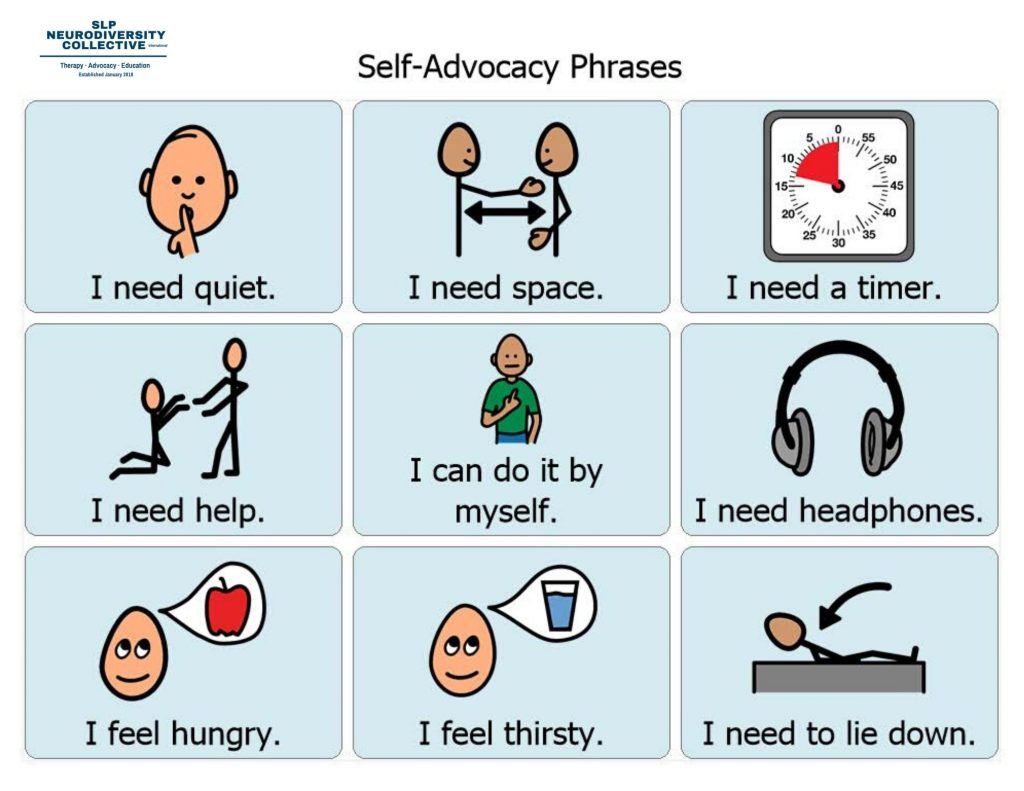
Self-Advocacy for Neurodiverse Individuals: Empowering Voices and Ensuring Success Introduction: In today’s society, it is crucial to empower individuals of all backgrounds and abilities to advocate for themselves. This is particularly true for neurodiverse individuals, who may have unique learning styles or neurological differences such as autism, ADHD, dyslexia, or other conditions. Self-advocacy is the…
-
Embracing Neurodiversity: Creating Inclusive Schools for All Students
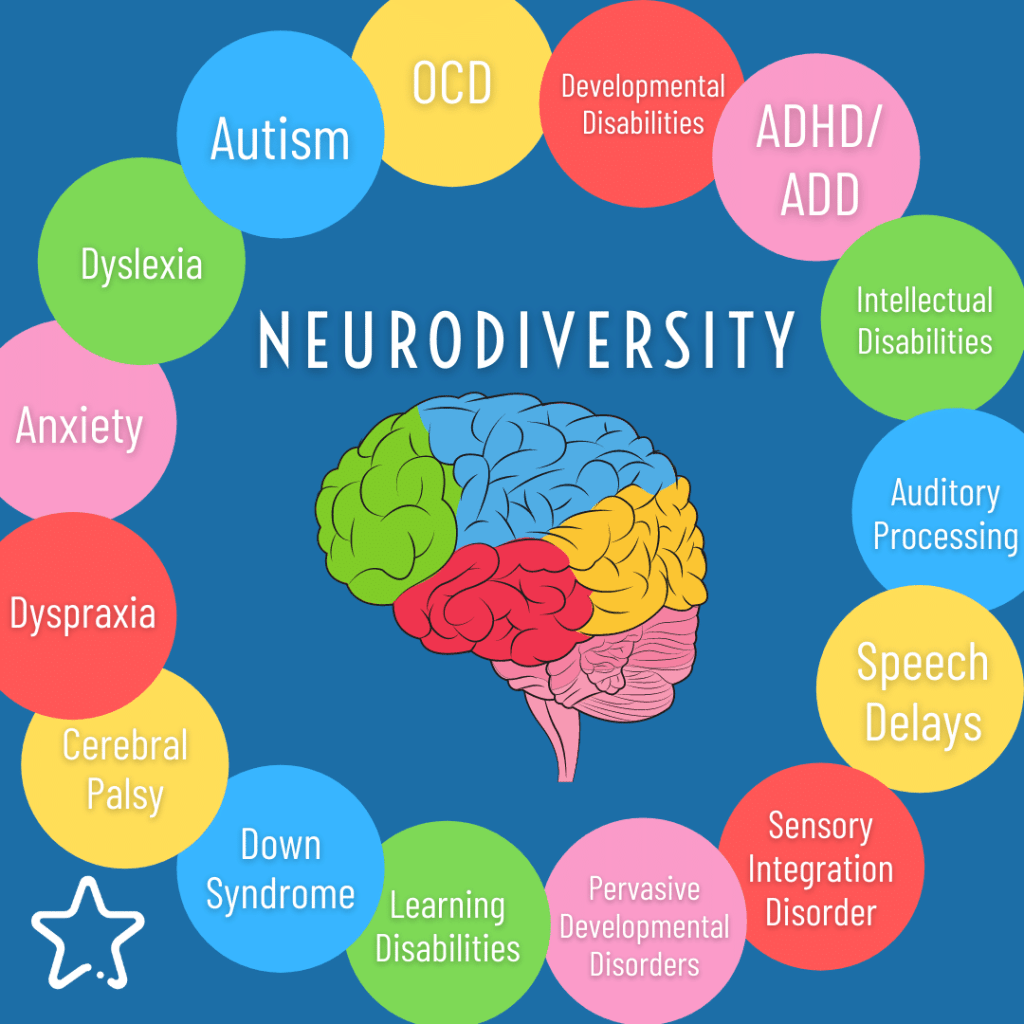
As we reflect on the evolution of education in recent years, one significant shift that deserves attention is the increased focus on neurodiversity and mental health support in schools. This progressive approach has been instrumental in creating inclusive learning environments where all students can thrive. Neurodiversity encompasses a range of neurological differences, including conditions such…
-
“Embracing Neurodiversity: Creating Inclusive Classrooms for All Students”
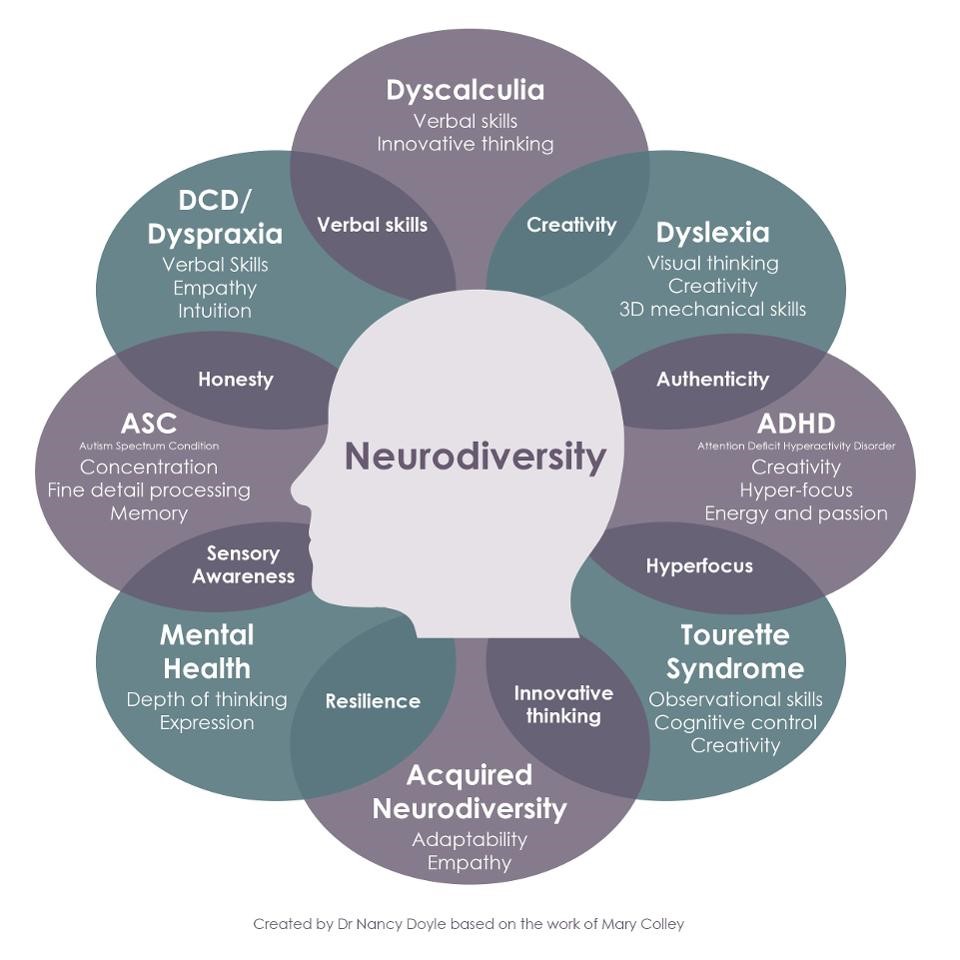
Neurodiversity in the Classroom: Embracing Differences and Promoting Inclusion In recent years, there has been an increasing recognition of the importance of neurodiversity in our classrooms. Neurodiversity refers to the idea that neurological differences, such as autism, ADHD, dyslexia, and other learning disabilities, are simply natural variations of the human brain rather than deficits or…
-
Unlocking the Creative Potential of Neurodivergent Thinkers

Neurodiversity and Creativity: Unlocking the Potential of Alternative Thinkers In recent years, there has been a growing understanding and appreciation for neurodiversity – the concept that neurological differences, such as autism, ADHD, dyslexia, and others, are simply natural variations of the human brain. This paradigm shift challenges traditional views that consider these differences as disabilities…
-
Navigating Neurodivergent Parenting: Strategies for Supporting Our Unique Children

Neurodivergent Parenting Strategies: Nurturing and Supporting Our Unique Children Parenting is a challenging journey, and when you have neurodivergent children, it can come with its own set of joys and hurdles. Neurodivergence refers to variations in brain functioning that include conditions such as autism, ADHD, dyslexia, and other developmental differences. As parents, it is important…
 Alternative Amie