Tag: assistive technology
-
Unlocking Communication Potential: Speech and Language Therapy for Children
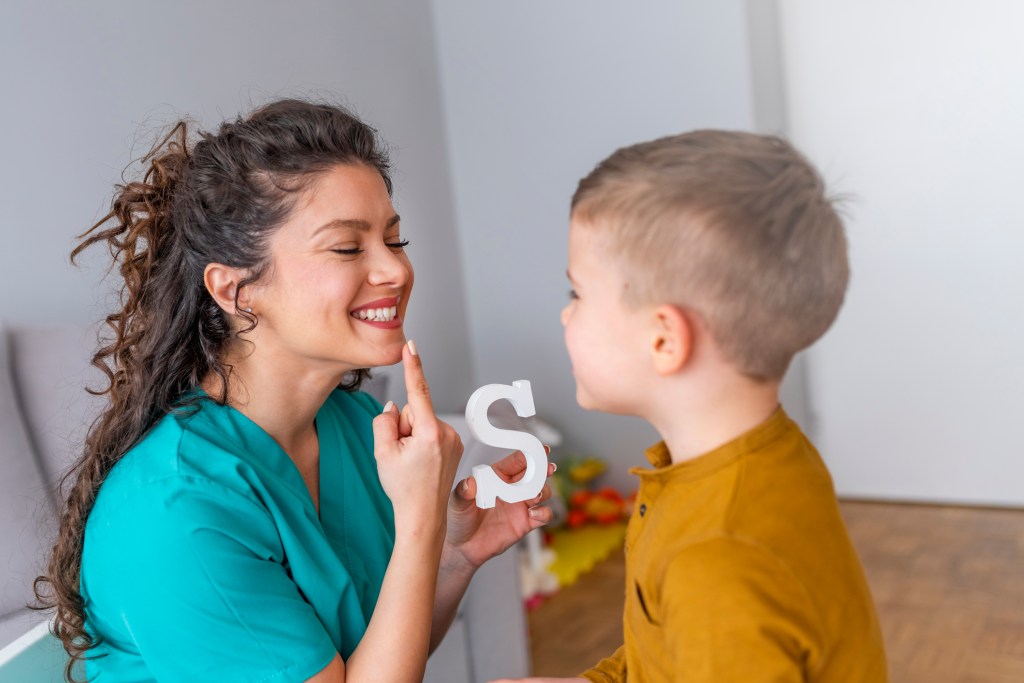
Speech and Language Therapy Services: Supporting Communication Development for Children Communication is a fundamental skill that plays a crucial role in our daily lives. It allows us to express ourselves, understand others, build relationships, and participate fully in society. For some children, however, communication may not come easily. They may struggle with speech disorders or…
-
Unlocking Potential: How Assistive Technology Empowers Neurodiverse Students
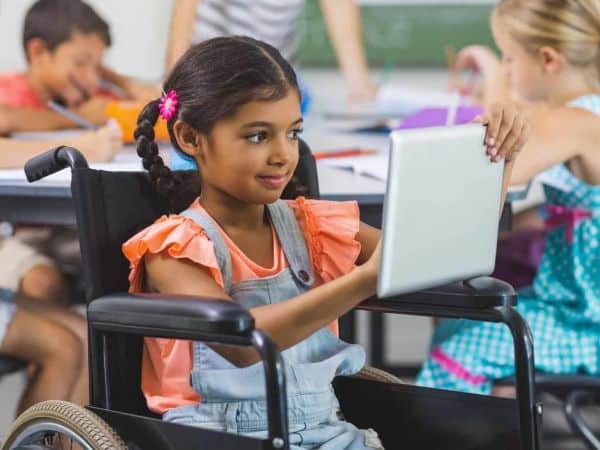
Assistive technology has become an invaluable tool for neurodiverse students, providing them with the necessary support to thrive in their educational journey. From improving focus and organization skills to enhancing communication abilities, these tools are designed to meet the unique needs of each student. One type of assistive technology that is widely used is text-to-speech…
-
Embracing Neurodiversity: Creating Inclusive Educational Environments for All

Sensory processing differences in neurodiverse individuals have garnered increased attention in recent years. Neurodiversity refers to the concept that neurological differences, including autism, ADHD, and other conditions, are simply natural variations of the human brain rather than disorders that need to be fixed or cured. Sensory processing differences are a common characteristic among neurodivergent individuals…
-
“Empowering Success: The Essential Elements of Individualized Education Plans (IEPs) for Students with Disabilities”

Transition planning for students with Individualized Education Plans (IEPs) is a crucial aspect of ensuring their successful journey from school to post-school life. IEPs, which are legal documents that outline the specific educational goals and supports for students with disabilities, must include a clear plan for transitioning into adulthood. Transition planning begins as early as…
-
Navigating Success: Transition Planning and Support for Students with IEPs
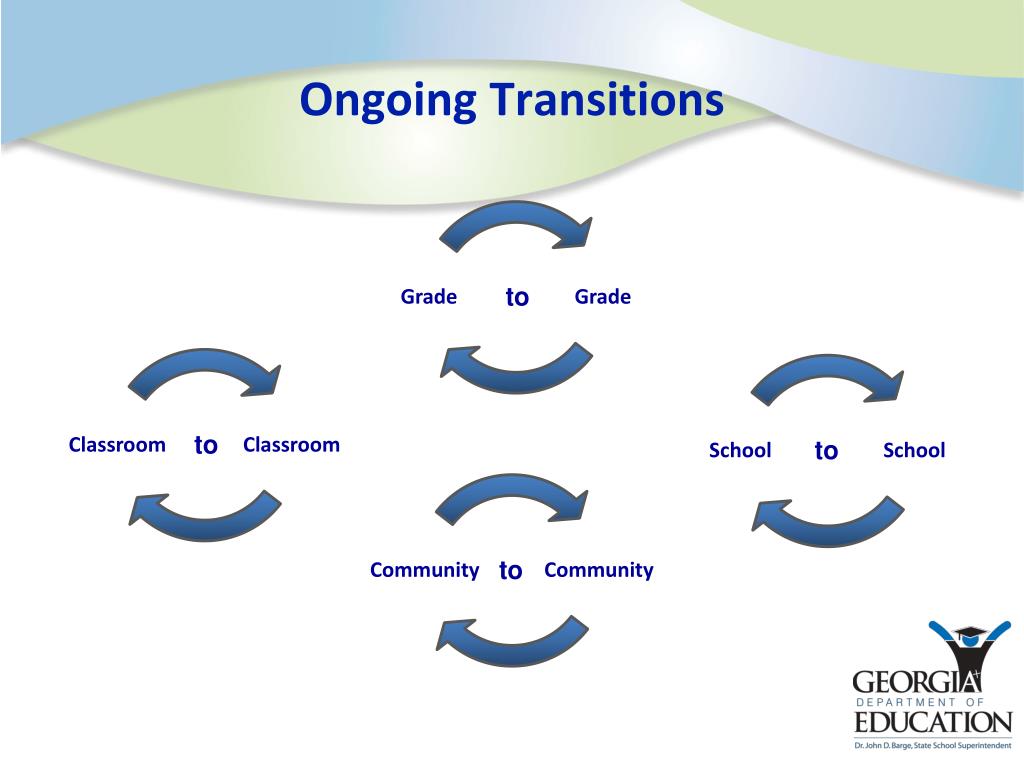
Transition Planning for Students with IEPs Transition planning is a crucial component of the Individualized Education Program (IEP) process for students with disabilities. The goal of transition planning is to help students successfully move from school to post-secondary education, employment, and independent living. By providing appropriate supports and services, educators can empower students with disabilities…
-
Transforming Education: Microschooling Empowers Children with Special Needs
Microschooling for children with special needs Microschooling has emerged as a promising alternative education option for children with special needs. Traditional schools often struggle to meet the unique educational requirements of these students, leading parents to seek out more personalized and inclusive learning environments. In microschools, small class sizes allow for individualized attention and tailored…
-
Unlocking Potential: Strategies for Supporting Neurodiverse Learners in the Classroom

Sensory processing differences can greatly impact a student’s ability to learn and thrive in a classroom setting. Understanding how these differences affect students and implementing strategies to support them is crucial for educators. Some students with sensory processing differences may be hypersensitive, meaning they are easily overwhelmed by sensory input, while others may be hyposensitive…
-
Revolutionizing Alternative Schooling: The Rise of Robotics and Automation in Education

The Rise of Robotics and Automation in Education: Revolutionizing Alternative Schooling Introduction: In recent years, the field of robotics and automation has made significant advancements, revolutionizing various industries and sectors. One area where these technological developments have gained tremendous traction is education. With alternative schooling and education systems becoming increasingly popular, robotics and automation offer…
-
Unlocking the Potential: Supporting Neurodivergent Individuals through Sensory Processing Differences

Sensory processing differences in neurodivergent individuals Neurodiversity refers to the concept that neurological differences, such as autism, ADHD, and dyslexia, are natural variations of the human brain rather than deficits or disorders. These differences can impact various aspects of daily life, including sensory processing. Sensory processing is the way our nervous system receives and responds…
-
Unlocking Potential: Assistive Technology Empowers Neurodiverse Learners to Succeed
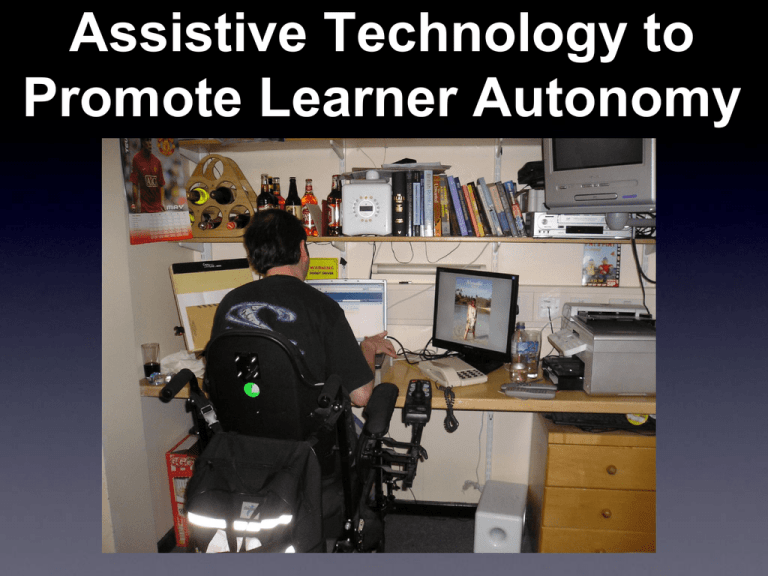
Assistive Technology for Neurodiverse Learners: Unlocking Potential and Empowering Success In today’s diverse educational landscape, it is crucial to recognize and support the unique learning needs of neurodiverse students. Neurodiversity refers to the natural variations in how individuals perceive, process, and learn information. It encompasses conditions such as autism spectrum disorder, attention deficit hyperactivity disorder…
 Alternative Amie