Tag: assistive technology
-
Empowering Neurodiverse Learners: Strategies for Success in Education

In a panel discussion about neurodiversity in education, one of the key topics that often comes up is sensory processing differences. These differences can greatly impact how students interact with their environment and learn in a classroom setting. Educators need to be aware of these variations and provide accommodations such as noise-canceling headphones, alternative seating…
-
Creating a Path to Success: Key Aspects of Alternative Education for All Students

When it comes to alternative schooling and education, there are various aspects that need to be considered in order to provide a comprehensive and inclusive learning environment for all students. From accommodations and modifications to post-secondary planning, each component plays a crucial role in ensuring the success of students who may require additional support or…
-
Empowering Success: Alternative Schooling for Individuals with Intellectual Disabilities
Intellectual Disability is a developmental disorder that affects an individual’s cognitive abilities and adaptive functioning. It is characterized by limitations in intellectual functioning and difficulties in everyday activities such as communication, social skills, and independent living. People with intellectual disabilities may learn at a slower pace than their peers and may require additional support to…
-
Empowering Individual Needs: The Transformative Power of Assistive Technology

Assistive Technology for Individual Needs: Enhancing Learning and Independence In today’s rapidly evolving world, technology has become an integral part of our lives. From smartphones to smart homes, it has transformed the way we communicate, work, and even learn. For individuals with special needs or disabilities, assistive technology (AT) plays a vital role in enhancing…
-
Navigating Success: Transition Planning and Individualized Support for Students with IEPs

Transition planning for students with IEPs: Transition planning is an essential component of Individualized Education Plans (IEPs) for students with disabilities. It involves preparing and supporting students as they transition from one stage of their education to another or move into the workforce. The purpose of transition planning is to ensure that students acquire the…
-
“Empowering Struggling Learners: Personalized Interventions in Alternative Education Settings”
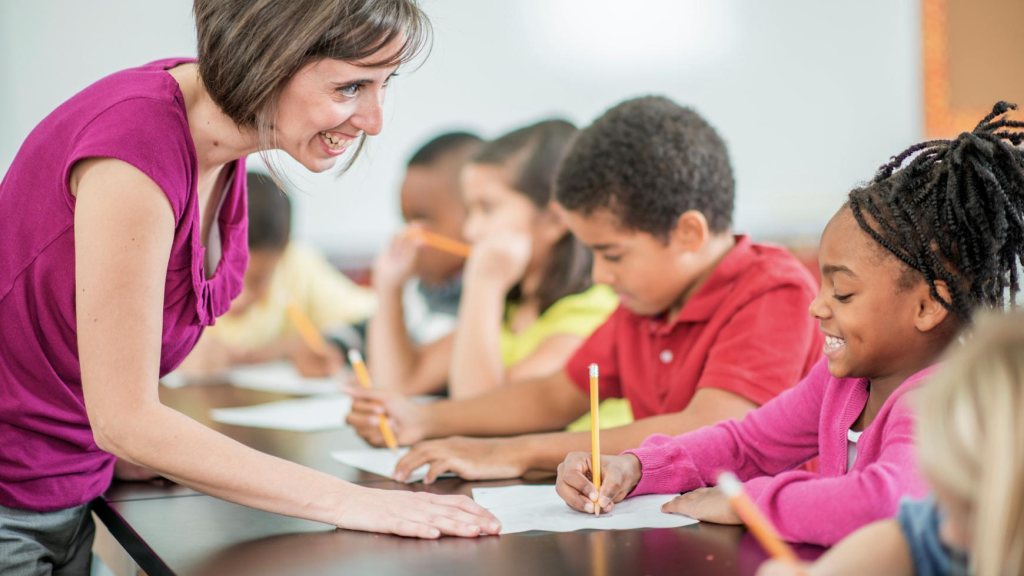
Personalized Interventions for Struggling Learners in Alternative Education Settings Alternative education settings serve a diverse population of students who may have struggled in traditional school environments. These students often require personalized interventions to address their unique learning needs and help them succeed academically. In this article, we will explore eight effective strategies that can be…
-
“Empowering Every Student: Supporting Special Needs with Differentiated Instruction and Inclusive Practices”

Differentiated instruction is a teaching approach that recognizes and addresses the diverse learning needs of students. It involves tailoring instruction to meet the individual strengths, interests, and readiness levels of each student in order to maximize their learning potential. By providing multiple pathways to understanding and engaging with content, differentiated instruction helps create a more…
-
Navigating Success: Transition Planning for Students with IEPs
Transition Planning for Students with IEPs: Transition planning is a crucial aspect of the Individualized Education Program (IEP) process for students with disabilities. It involves preparing students to move from one educational setting to another, such as transitioning from high school to post-secondary education or employment. The goal of transition planning is to support students…
-
Unleashing the Power of Neurodiversity: Strategies for Inclusive Education

1. Sensory processing differences in neurodivergent individuals: Neurodivergent individuals often experience sensory processing differences, which can impact their ability to process and respond to sensory information from the environment. Some may be hypersensitive, meaning they are easily overwhelmed by certain stimuli such as loud noises or bright lights. Others may be hyposensitive, where they have…
-
Creating Inclusive Classrooms: A Guide to Supporting Students with IEPs

Including Those with Individualized Education Plans: A Guide to Inclusive Education In the realm of education, inclusivity has become an increasingly important topic. As educators, parents, and society as a whole strive towards creating equitable learning environments for all students, it is crucial to consider the needs of those with individualized education plans (IEPs). An…
 Alternative Amie