Tag: assessment methods
-
Navigating the Challenges of Multiage Classrooms: A Path to Inclusive Education

Challenges of Implementing Multiage Classrooms In recent years, there has been a growing interest in alternative approaches to education, and one such approach is the implementation of multiage classrooms. Multiage classrooms are composed of students from different age groups who learn together in the same classroom environment. This model challenges traditional grade-level structures and aims…
-
Unleashing Student Motivation: The Power of Narrative Assessments

The Impact of Narrative Assessments on Student Motivation Assessment plays a crucial role in education, providing valuable insights into students’ learning progress and informing instructional decisions. Traditional assessment methods often focus on objective measures such as multiple-choice exams or standardized tests. However, these approaches fail to capture the holistic nature of student learning and do…
-
Revolutionizing Education: The Rise of Alternative Assessment Methods

Alternative Assessment Methods in Education: A Retrospective Education has evolved over the years, and with it, so have assessment methods. Traditional assessments, such as standardized tests and written exams, have long been the norm in schools. However, alternative assessment methods have gained recognition for their ability to provide a more comprehensive understanding of students’ skills…
-
15 Effective Ways to Assess Creativity and Innovation Skills in Today’s Ever-Evolving World

Assessing creativity and innovation skills is crucial in today’s ever-evolving world. With the rapid advancements in technology and the need for innovative solutions, it is essential to identify individuals who possess these skills. Whether you are an educator or an employer, assessing creativity and innovation skills can help you identify talented individuals who can think…
-
“Blending Learning and Gamification: Engaging Students, Enhancing Education”
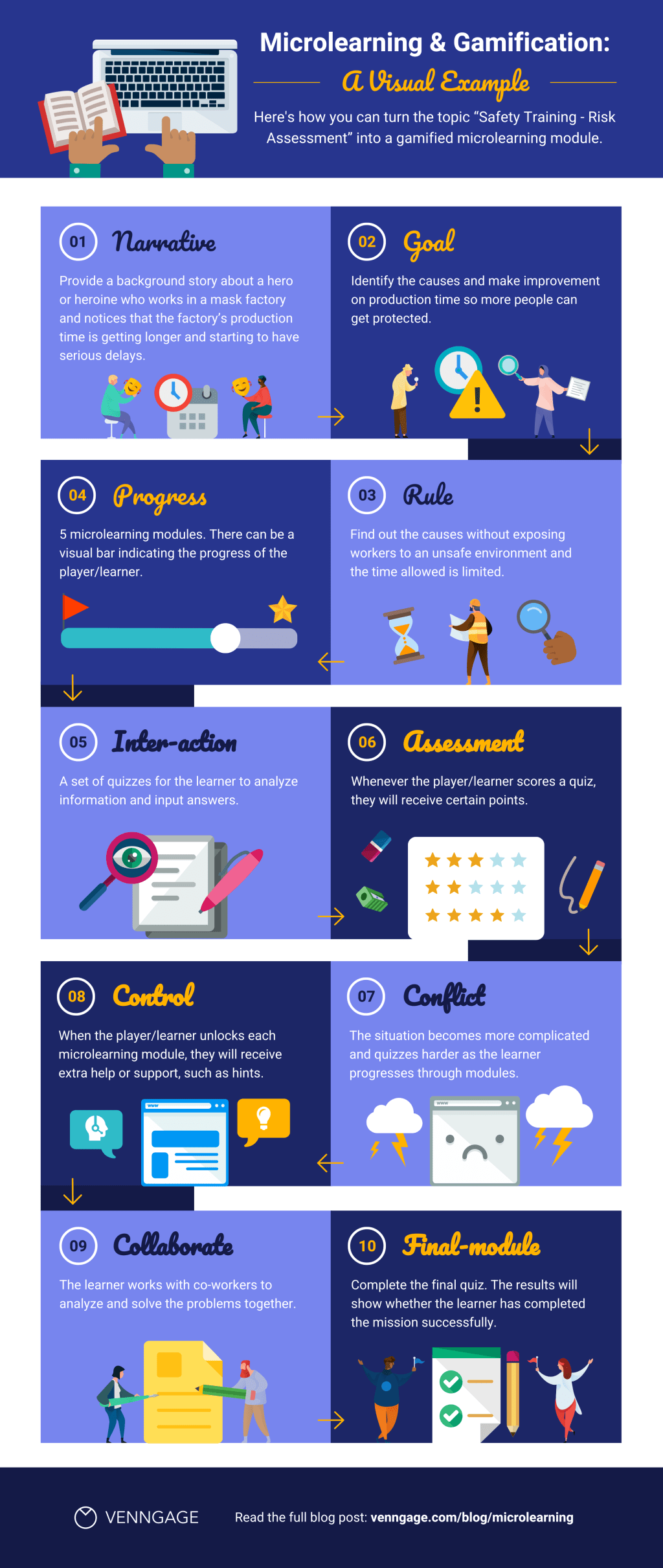
Gamification in blended learning is a powerful tool that can engage students and enhance their learning experience. By incorporating game elements into the curriculum, educators can create a more interactive and enjoyable environment for students. This approach not only motivates them to actively participate but also fosters collaboration, critical thinking, problem-solving skills, and creativity. One…
-
Navigating the Digital Age: Assessing 21st Century Digital Literacy Skills
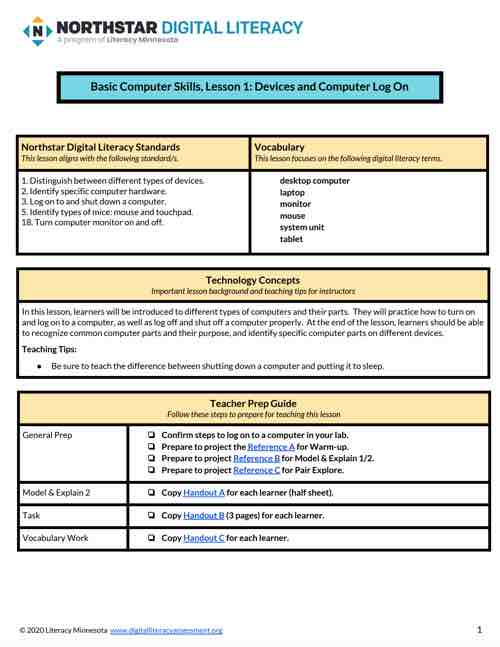
Assessing Digital Literacy Skills in the 21st Century In the rapidly evolving digital age, it has become increasingly important to assess and cultivate digital literacy skills among individuals. The ability to navigate, understand, and effectively use various digital technologies is no longer a luxury but a necessity in our modern society. With the advent of…
-
“Unlocking Potential: The Power of Differentiated Instruction for All Students”
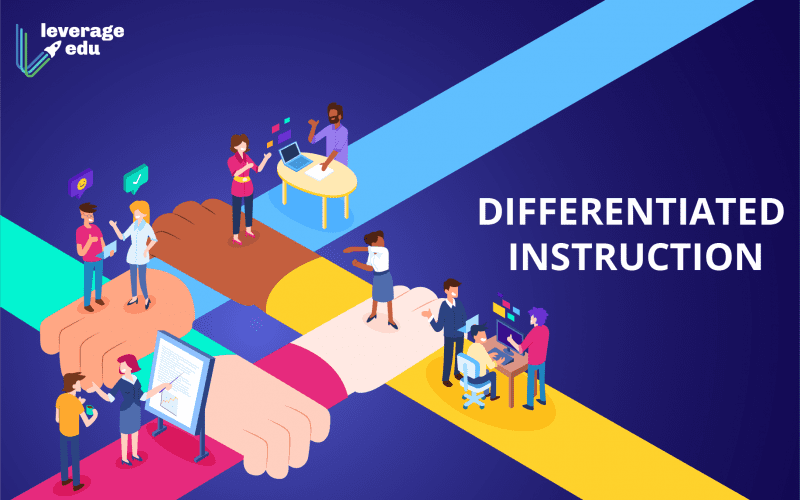
Differentiated Instruction: Meeting the Diverse Needs of Students Q: What is differentiated instruction? A: Differentiated instruction is an approach to teaching that recognizes and responds to the diverse learning needs of students. It involves tailoring instruction, content, and assessment methods to ensure that all students have equitable opportunities for success in their learning journey. Q:…
-
Uncovering Exceptional Abilities: Exploring 8 Methods to Identify Gifted Students
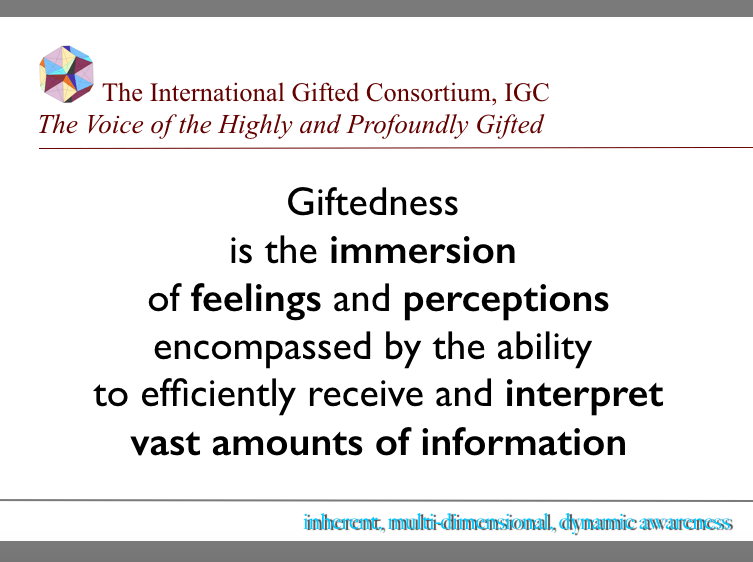
Giftedness identification and assessment methods play a crucial role in identifying exceptional abilities among students. Recognizing giftedness is essential to provide appropriate educational opportunities and support for these individuals. There are various methods used to identify gifted students, each with its own strengths and weaknesses. In this article, we will explore eight common approaches to…
-
Unlocking the Power of Real-World Learning: The Rise of Experiential Assessment

Experiential Assessment: Unlocking the Power of Real-World Learning In traditional education systems, assessment often takes the form of tests and exams that measure a student’s knowledge and understanding of a subject. While these assessments have their place, they can sometimes fall short in capturing a student’s full potential and abilities. This is where experiential assessment…
-
Unlocking the Potential: Assessing Student Progress in Multiage Classrooms

Assessing Student Progress in Multiage Classrooms: A Comprehensive Approach Introduction: In traditional classrooms, students are typically grouped based on their age and grade level. However, an alternative approach to education that has gained popularity in recent years is multiage classrooms. These classrooms consist of students from different age groups who work together as a community,…
 Alternative Amie