Tag: active learning
-
Unlocking the Power of Play-Based Learning: An Alternative Approach to Education
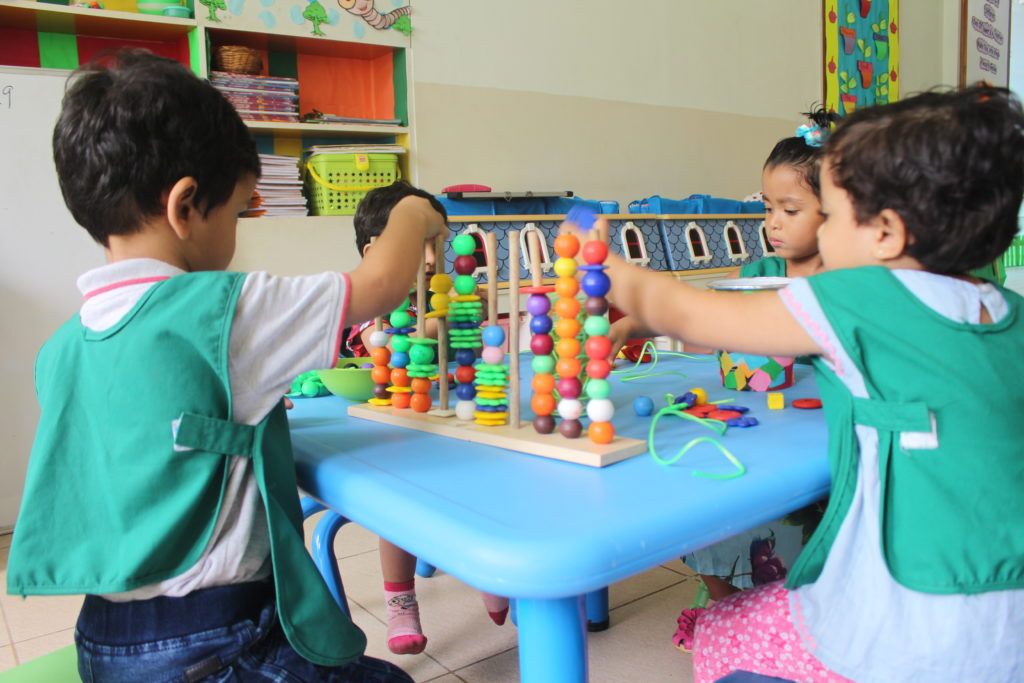
Play-Based Learning: A Powerful Tool for Alternative Schooling and Education Education is a crucial aspect of life that opens up many opportunities for individuals. While traditional education has been the norm, alternative schooling approaches have become increasingly popular in recent years. Play-based learning is one such approach that has gained recognition for its effectiveness in…
-
8 Reasons Why Teachers Should Facilitate Learning Instead of Lecturing
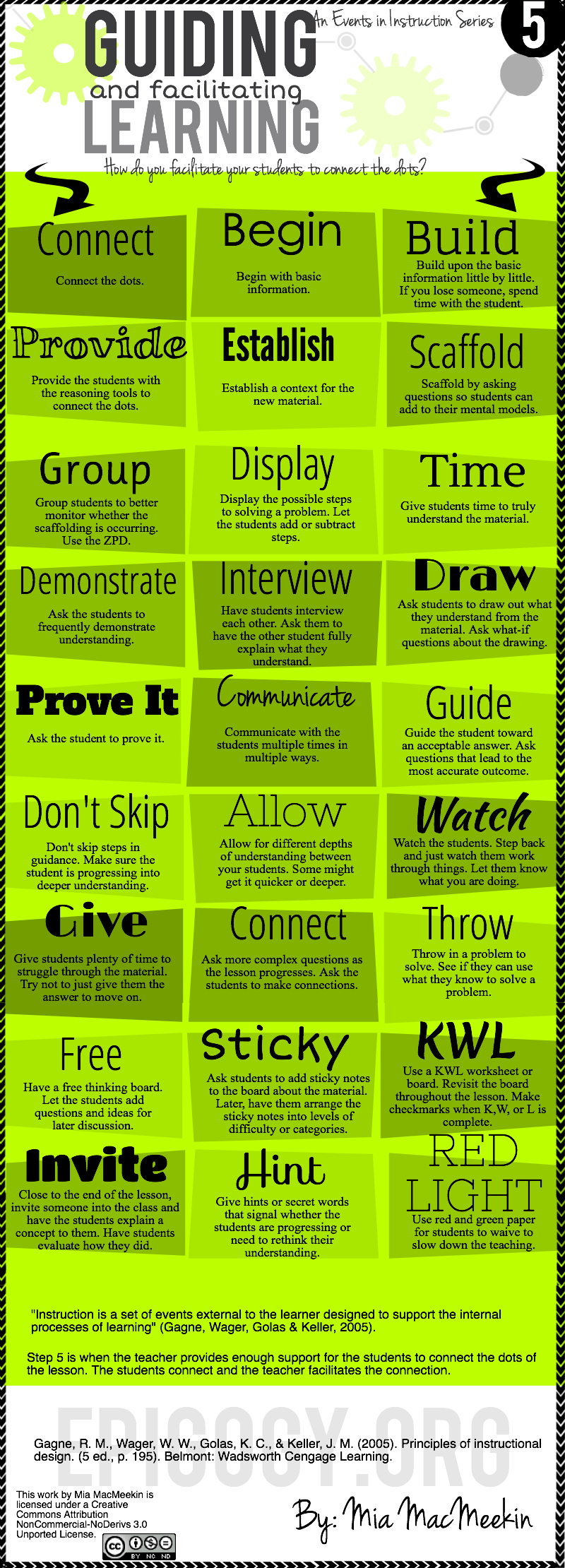
As the world evolves, so does education. Gone are the days when students were passively sitting in rows, listening to lectures without any interaction with their teachers or classmates. Today, educational experts and scholars believe that a teacher should be more of a facilitator of learning than just a mere lecturer. In this post, we’ll…
-
Gamification in Education: Making Learning Fun and Engaging

Gamification in Education: A New Way of Learning Gamification is the application of game design elements and principles in non-game contexts. In education, gamification has become a popular approach to motivate students to learn by making it fun and engaging. By incorporating game mechanics such as points, badges, leaderboards, and rewards into learning activities, educators…
-
Assessing Environmental Literacy: How Schools Can Measure Sustainability Knowledge in Students

Assessing Environmental Literacy and Sustainability Knowledge in Students The world is facing a host of environmental challenges, from climate change to deforestation, pollution, and biodiversity loss. To address these issues, it’s vital that we equip young people with the knowledge and skills they need to become responsible global citizens. One way to achieve this is…
-
“Unlocking the Power of Project-Based Learning: A Guide to Success”

Project-Based Learning: Everything You Need to Know Project-based learning (PBL) is a student-centered approach that encourages active and engaged learning through the completion of an extended project. The goal of PBL is to help students develop critical thinking, problem-solving, collaboration, communication, and other essential skills necessary for success in today’s world. In this Q&A style…
-
10 Reasons Why Peer Grading is Taking Over Flipped Classrooms

Peer grading in flipped classrooms is a popular method of assessing student learning and providing feedback that has gained popularity in recent years. This approach to assessment involves students evaluating the work of their classmates, which can be an effective way for them to learn from one another and develop critical thinking skills. Here are…
-
Gamification: A Fun and Engaging Way to Learn!

Gamification is the process of applying game elements and mechanics to non-game activities. This approach has become increasingly popular in education, as it can make learning more engaging and fun for students. One of the main benefits of gamification is that it can increase student motivation. By incorporating game-like features such as points, badges, and…
-
Empowering Students: A DIY Guide to Democratic Education

Democratic Education: A DIY Guide Democratic education is a form of education that empowers students to take an active role in their learning process. It aims to create a more democratic and equitable society by giving students the opportunity to participate in decision-making processes and contribute to their community. In this post, we will explore…
-
Master Complex Subjects with the Feynman Technique: A Simple Guide to Effective Learning
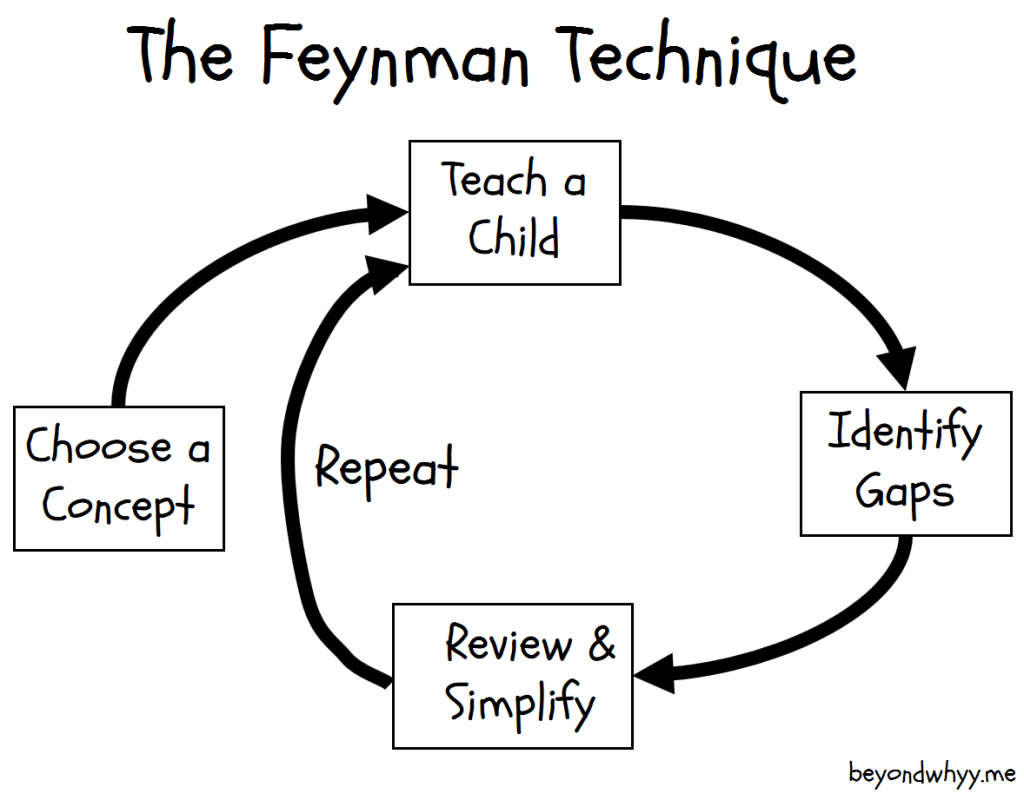
Learning complex subjects can be quite intimidating and overwhelming, especially when you don’t know where to begin. Fortunately, the Feynman technique is an effective learning strategy that can help you overcome this problem. The Feynman technique was named after Richard Feynman, a Nobel Prize-winning physicist who believed that if he couldn’t explain a concept in…
 Alternative Amie