Tag: academic performance
-
Experiential Education: A Dynamic Approach to Hands-On Learning

Experiential education is a dynamic approach to learning that emphasizes hands-on, real-world experiences as a central component of the educational process. This approach goes beyond traditional classroom-based instruction and immerses students in activities that allow them to apply their knowledge in practical settings. By actively engaging with the material they are learning, students develop a…
-
“Unlocking Creativity: The Power of Arts Integration in Education”
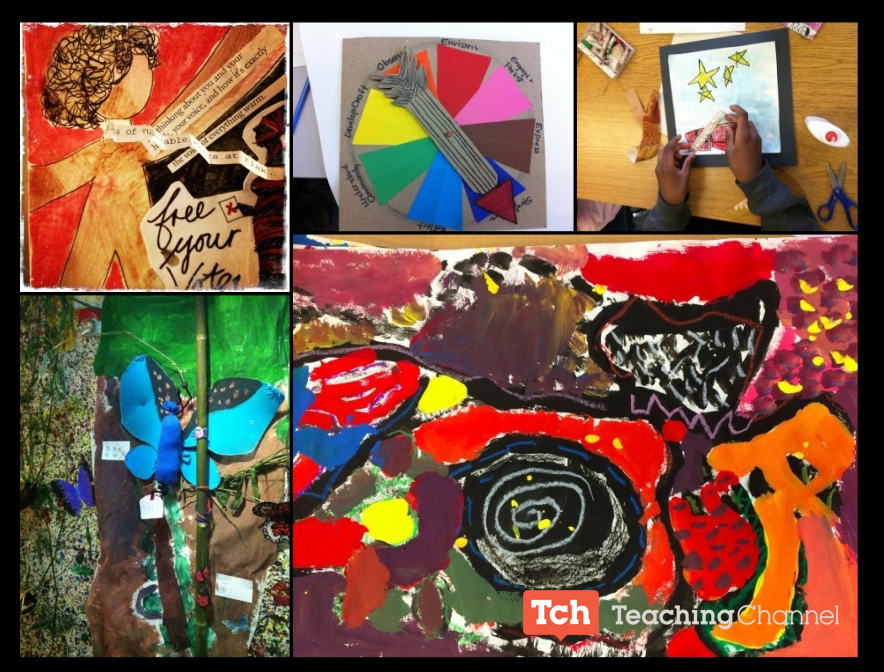
Arts integration is a teaching approach that incorporates various art forms, such as music, visual arts, dance, and theater, into academic subjects like math, science, language arts, and history. This method of instruction aims to engage students in creative ways while enhancing their understanding and retention of the material being taught. One key benefit of…
-
“The Power of Social-Emotional Learning: Key Reasons Why It’s Essential for Students”

Social-emotional learning (SEL) has become increasingly important in education as educators, parents, and researchers recognize the critical role it plays in the overall development of children. SEL focuses on teaching students crucial life skills beyond academics, such as self-awareness, self-management, social awareness, relationship skills, and responsible decision-making. These skills are essential for success not only…
-
Unlocking Success: The Power of Bilingualism in Alternative Education

Bilingualism is a topic that has gained increasing attention in recent years for its numerous benefits, especially in the realm of education. With globalization and multiculturalism becoming more prevalent, the ability to speak more than one language is an invaluable skill that opens up a world of opportunities for individuals. In the context of alternative…
-
“Unlocking Potential: The Power of Differentiated Instruction in the Classroom”

Differentiated instruction is a teaching approach that recognizes and responds to the diverse learning needs of students in a classroom. This method focuses on tailoring instruction to meet individual students’ strengths, needs, interests, and readiness levels, allowing all learners to access the curriculum effectively. One of the main principles of differentiated instruction is flexibility. Teachers…
-
Unlocking Opportunities: Dual Enrollment Programs in Healthcare Propel High School Students Towards Success

Dual enrollment programs in healthcare offer students the opportunity to gain valuable experience, knowledge, and skills in the field of healthcare while still completing their high school education. These programs allow students to enroll in college-level courses related to healthcare and earn both high school and college credits simultaneously. As a result, students can get…
-
“Forest Schools: Cultivating Nature Connection and Resilience in Students”
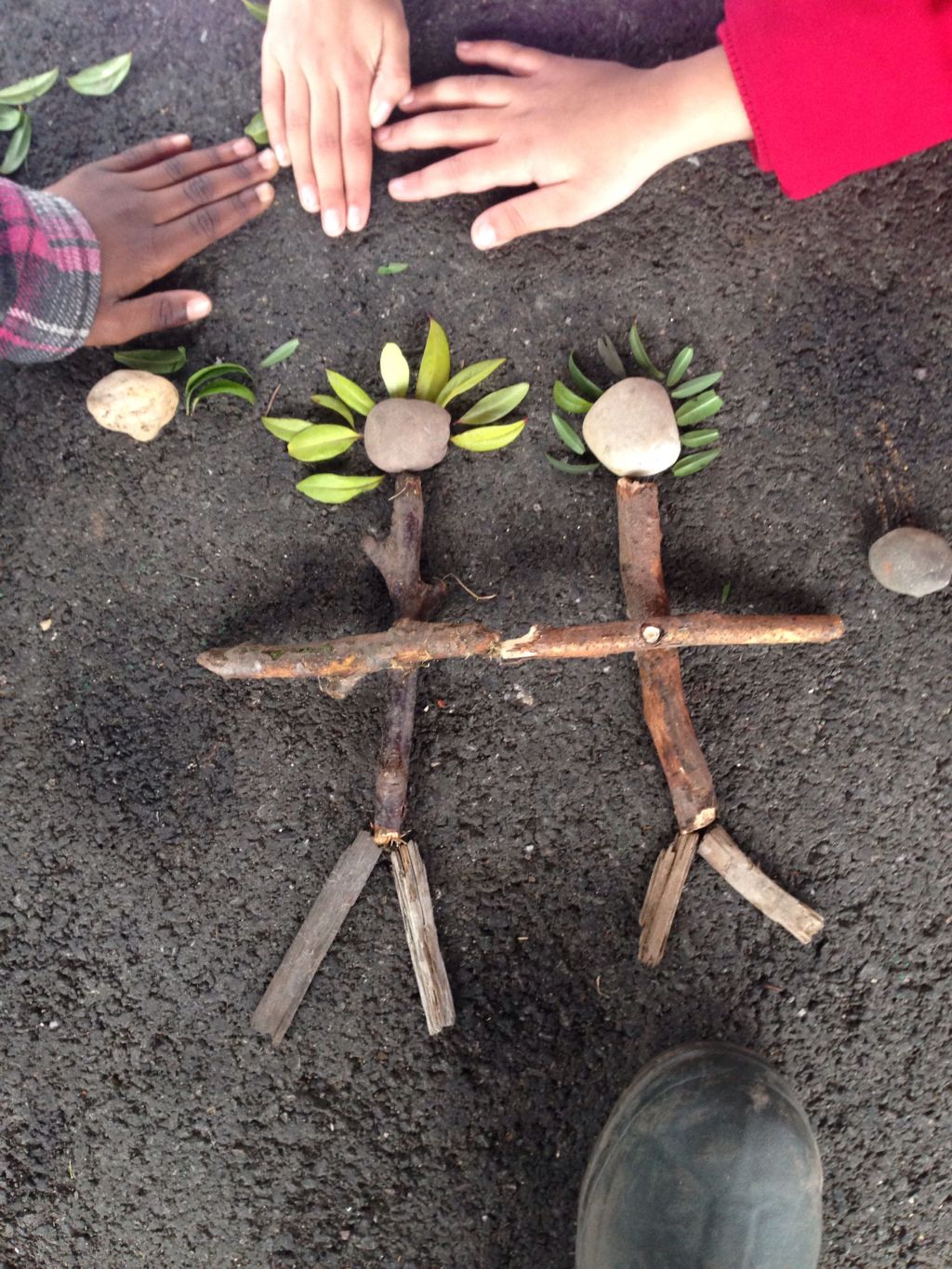
Nature deficit disorder is a term coined by Richard Louv in his book “Last Child in the Woods,” which highlights the disconnect between children and the natural world, leading to a range of behavioral and health issues. Forest schools aim to combat this phenomenon by immersing students in outdoor environments, allowing them to engage with…
-
Unleashing Critical Thinkers: The Power of Socratic Seminars

Socratic seminars are a unique and effective teaching method that encourages critical thinking, collaboration, and deep understanding of various subjects. In this discussion-based format, students engage in dialogue with their peers to explore complex ideas and texts. One key aspect of Socratic seminars is the emphasis on open-ended questioning. Instead of relying on rote memorization…
-
Empowering Education: The Power of Flexible Pacing

Flexible pacing is a key component of alternative schooling and education that allows students to learn at their own speed, according to their individual needs and learning styles. This approach recognizes that every student is unique and may require more time or different methods to grasp certain concepts. One of the main advantages of flexible…
-
Unlocking Potential: The Power of Language Immersion for Children with Learning Disabilities

Language immersion programs have been shown to offer numerous benefits for children with learning disabilities. By immersing these students in a second language environment, they can improve their cognitive abilities, enhance their communication skills, and boost their overall academic performance. Research has indicated that language immersion can help children with learning disabilities by providing a…
 Alternative Amie