Tag: 21st century skills.
-
Unlocking Student Potential: The Rise of Project-Based Assessments in Education

Project-based assessments have been gaining popularity in the education sector as a more effective way to assess students’ learning and skills. Unlike traditional exams that rely heavily on memorization and regurgitation of information, project-based assessments focus on real-world applications of knowledge and encourage critical thinking, problem-solving, collaboration, and creativity. One major advantage of project-based assessments…
-
Empowering Education: The Rise of Maker Learning

In the realm of education, there is a growing movement that emphasizes hands-on learning, creativity, and problem-solving skills. Maker education is at the forefront of this movement, offering students a unique opportunity to engage in projects that involve designing, building, and experimenting. This approach goes beyond traditional classroom learning by encouraging students to be active…
-
Empowering Students Through Inquiry-Based Learning

Inquiry-based learning is a powerful educational approach that focuses on fostering students’ curiosity, critical thinking skills, and deep understanding of concepts. This method encourages students to ask questions, explore topics of interest, conduct research, and develop their own solutions through hands-on experiences. One of the key principles of inquiry-based learning is that it shifts the…
-
Empowering Students Through Inquiry-Based Learning

Inquiry-based learning is an educational approach that encourages students to actively engage in the learning process by posing questions, investigating solutions, and exploring topics of interest. This method shifts the focus from rote memorization to critical thinking, problem-solving, and deep understanding. By fostering curiosity and independence in students, inquiry-based learning empowers them to take ownership…
-
“Empowering Students Through Project-Based Learning: Fostering Collaboration, Critical Thinking, and Creativity”
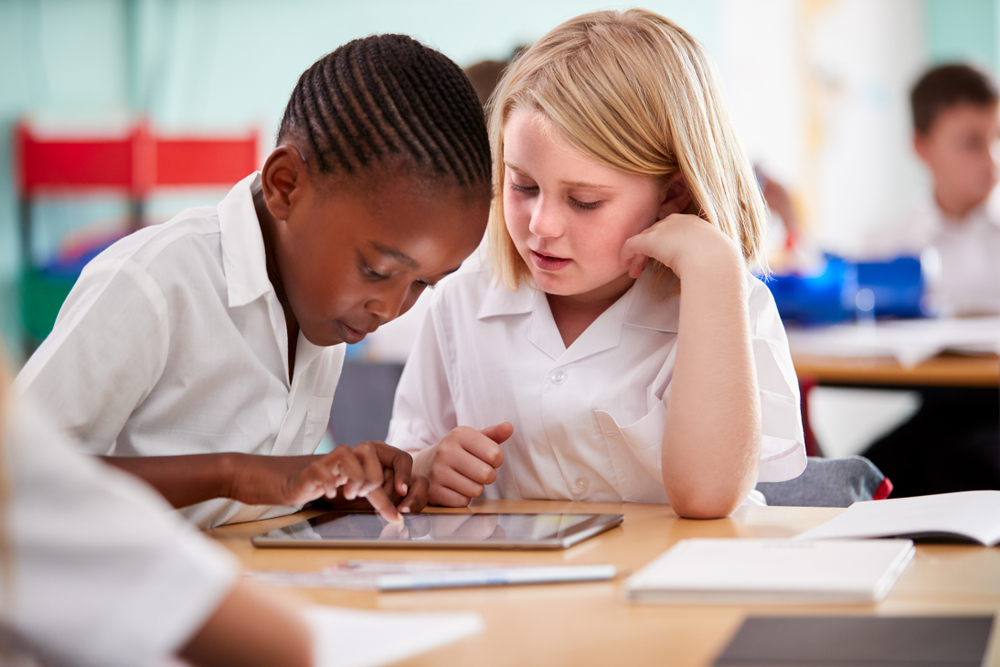
Project-based learning (PBL) is a teaching method that has gained popularity in recent years for its ability to engage students and promote deeper learning. This approach allows students to explore real-world problems and challenges through hands-on projects, rather than traditional methods of instruction. One of the key benefits of project-based learning is that it encourages…
-
Inquiry-Based Learning: Empowering Curiosity and Knowledge Acquisition
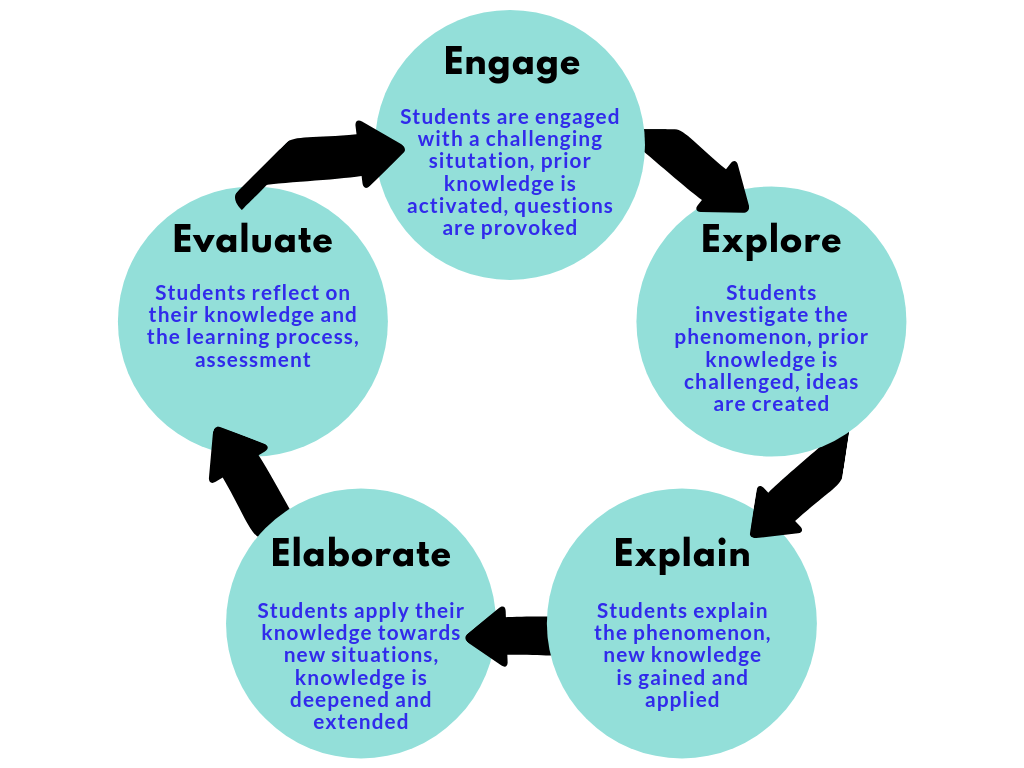
Inquiry-based learning is a student-centered approach to education that prioritizes curiosity, critical thinking, and exploration. This method of teaching empowers students to take ownership of their learning by posing questions, investigating topics of interest, and engaging in deep research to find answers. Unlike traditional rote memorization techniques, inquiry-based learning encourages students to actively participate in…
-
“Empowering Education: The Impact of Project-Based Learning on Student Engagement and Success”

Project-based learning (PBL) is a student-centered approach to education that allows students to explore real-world challenges and problems through hands-on projects. This method emphasizes collaboration, critical thinking, creativity, and communication skills while fostering a deeper understanding of the subject matter. One of the key benefits of project-based learning is its ability to engage students in…
-
Unlocking Potential: The Power of Project-Based Learning

Project-based learning (PBL) is a student-centered pedagogy that involves students working on a project over an extended period of time to investigate and respond to an authentic, engaging, and complex question, problem, or challenge. This approach allows students to engage in real-world tasks and experiences that require critical thinking, collaboration, creativity, communication skills, and problem-solving…
-
Unlocking Potential: The Power of Performance Tasks in Alternative Education
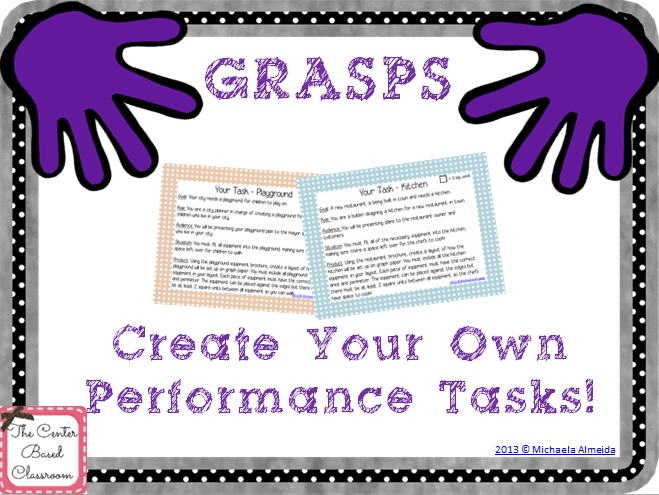
Performance tasks are a valuable component of alternative schooling and education, providing students with hands-on opportunities to showcase their knowledge and skills in real-world scenarios. These tasks go beyond traditional assessments like tests and essays, allowing students to demonstrate their understanding through practical applications and creative projects. One key benefit of performance tasks is that…
-
Fostering Collaboration: The Key to Success in Alternative Education

Collaborative projects are an integral part of alternative schooling and education, fostering teamwork, creativity, critical thinking, and problem-solving skills among students. By working together on various initiatives, students not only gain a deeper understanding of the subject matter but also develop essential life skills that will serve them well in their future careers and personal…
 Alternative Amie