-
Augmented Reality: The Future of Education

Are you tired of the same old classroom experience? Do you want to spice up your education with some futuristic technology? Look no further than Augmented Reality! Yes, that’s right. Augmented Reality (AR) is the hot new trend in education. With AR, students can project virtual images onto the real world and see them come…
-
Game On: The Fun and Engaging Approach to Learning

Game-based Learning: A Fun and Engaging Approach to Education In recent years, game-based learning has gained popularity as an effective teaching approach that promotes active learning and student engagement. Unlike traditional classroom methods, game-based learning uses video games or other interactive digital media to teach new concepts while providing students with a fun and engaging…
-
15 Reasons Why Project-Based Learning is the Future of Education

Project-based learning is a teaching method that emphasizes hands-on, real-world experiences to help students learn. Instead of sitting in a classroom listening to lectures and taking tests, students work on projects that require them to apply what they have learned in practical ways. Here are fifteen reasons why project-based learning is an effective way to…
-
The Advantages of Being a Solitary Learner: Why Learning Alone Can Be Beneficial!

As humans, we are all different and unique in our own way. We have different interests, learning styles, and preferences for how we want to learn. While some people thrive in a traditional classroom setting with lots of interaction with peers and teachers, others prefer learning on their own at their own pace. These individuals…
-
Collaborative Problem-Solving: The Key to Effective Learning in Alternative Education
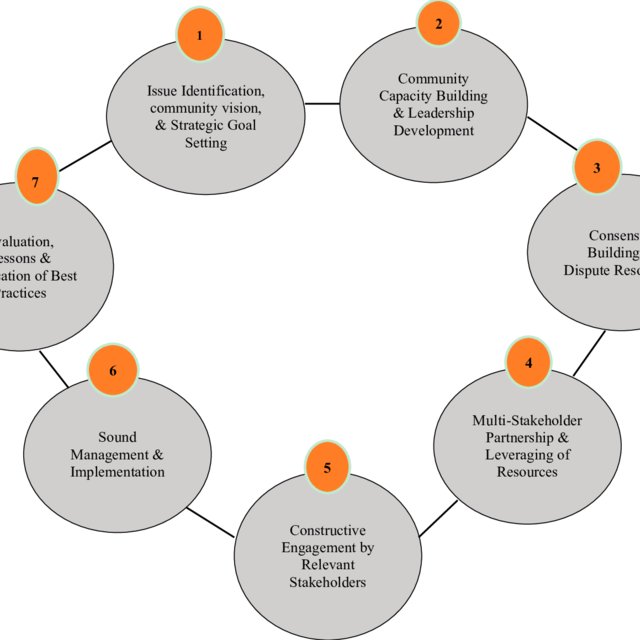
Collaborative Problem-Solving: An Effective Approach to Learning in Alternative Education In traditional educational settings, students often work independently, with limited opportunities for collaboration or teamwork. However, alternative education programs offer a different approach to learning that emphasizes group problem-solving and cooperation. Collaborative problem-solving is an effective method of learning that not only encourages critical thinking…
-
20 Effective Cooperative Learning Strategies for Your Classroom

Cooperative learning is a powerful teaching strategy that allows students to work together in groups to achieve common goals. There are many different cooperative learning methods, each with its own unique benefits and challenges. In this article, we will explore 20 of the most effective cooperative learning strategies and share tips for implementing them in…
-
8 Reasons Why Mastery Learning Should be Implemented in All Schools
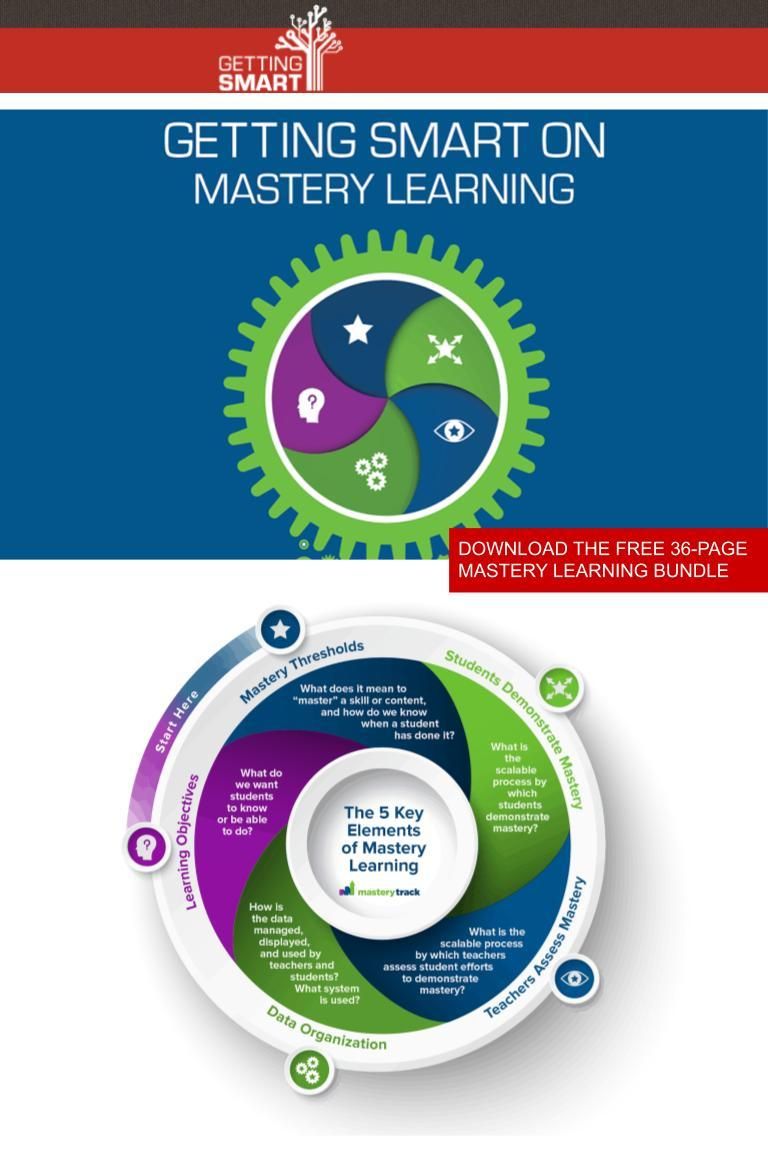
Mastery Learning is a teaching methodology that emphasizes the importance of students mastering a topic or concept before moving on to a new one. This method has gained popularity in recent years as it allows students to work at their own pace and ensures that they fully understand the material before progressing. Here are 8…
-
Identifying Giftedness in Young Children: Signs, Types, and Assessments

Identification of Giftedness in Young Children Gifted children are those who have exceptional abilities or talents that distinguish them from other children their age. These talents often manifest in academic, intellectual, creative, artistic, leadership and/or musical areas. Identifying giftedness early on is crucial for ensuring these children receive the appropriate educational support they need to…
-
The Ultimate Guide to Socialization in Homeschooling Co-Ops

Socialization in Homeschooling Co-ops: A Comprehensive Guide Homeschooling has become an increasingly popular form of education, with parents taking charge of their children’s learning and providing a personalized curriculum. However, one criticism often leveled against homeschooling is the lack of socialization opportunities for children. This is where homeschooling co-ops come in. A homeschooling co-op is…
-
Cooperative Learning: The Key to Success in the Classroom

Cooperative Learning: Working Together for Success As humans, we are social beings who thrive in environments where we collaborate and work with one another. This is why cooperative learning has become a popular teaching method in alternative schools and education systems. Cooperative learning involves group work, where students work together towards a common goal. In…
-
Subscribe
Subscribed
Already have a WordPress.com account? Log in now.
 Alternative Amie