-
The Power of Music in Education: Enhancing Academic and Emotional Learning.

Learning through the arts has been a popular topic in alternative schooling and education. While it may seem like an unconventional way of learning, many educators believe that incorporating music into the classroom can have numerous benefits for students. Studies have shown that exposure to music can improve cognitive function, spatial-temporal skills, and memory retention.…
-
15 Reasons Why Problem-Based Learning is the Future of Education

1. Encourages Critical Thinking: Problem-based learning promotes critical thinking skills by allowing students to think outside the box and apply their cognitive abilities to real-life situations. 2. Fosters Collaboration: This type of learning method encourages collaboration among peers as they work together to solve problems and achieve common goals. 3. Provides Autonomy: Students are given…
-
Unlocking the Potential of Children: The Montessori Method for Natural Learning and Development

Montessori education is a method of teaching that emphasizes the child’s natural development and curiosity. It was developed in the early 20th century by Dr. Maria Montessori, an Italian physician and educator who believed that children learn best when they are free to explore their environment at their own pace. In this article, we will…
-
Unschooling: A Revolutionary Approach to Education
Unschooling: A Different Approach to Education Education is an essential part of life, and in today’s world, it plays a crucial role in shaping the future of individuals as well as society. However, traditional education systems have been criticized for their rigidity and lack of flexibility in catering to individual learning styles. Unschooling offers a…
-
Reggio Emilia Approach: A Creative Alternative to Traditional Education

As an alternative approach to traditional education, the Reggio Emilia approach has gained a lot of attention in recent years. This unique method of teaching and learning is based on the idea that children are capable of learning through exploration and discovery, rather than being taught through rote memorization and repetition. The Reggio Emilia approach…
-
Selena Gomez: A Role Model for Alternative Schooling and Education
Selena Gomez: A Role Model for Alternative Schooling and Education When it comes to alternative schooling and education, we often think about non-traditional approaches to learning that lead students down paths different from mainstream education. One person who embodies this spirit is Selena Gomez, a successful singer, actress, and producer who has been an inspiration…
-
Unlocking Creativity and Imagination: The Unique Approach of Waldorf Education

Waldorf education is a unique approach to learning that emphasizes creativity, imagination, and the arts. Developed by Austrian philosopher Rudolf Steiner in the early 20th century, Waldorf education is based on the idea that every child has a unique purpose and destiny in life. One of the key components of Waldorf education is storytelling. At…
-
Unlocking the Secrets of Stock Market Analysis: A Guide for Alternative Schooling and Education

Stock Market Analysis: A Guide for Alternative Schooling and Education Investing in the stock market can be a great way to grow your money over time, but it can also be confusing and overwhelming. Stock market analysis is one tool that investors use to make informed decisions about which stocks to buy or sell. In…
-
Project-Based Learning: A Hands-On Approach to Education
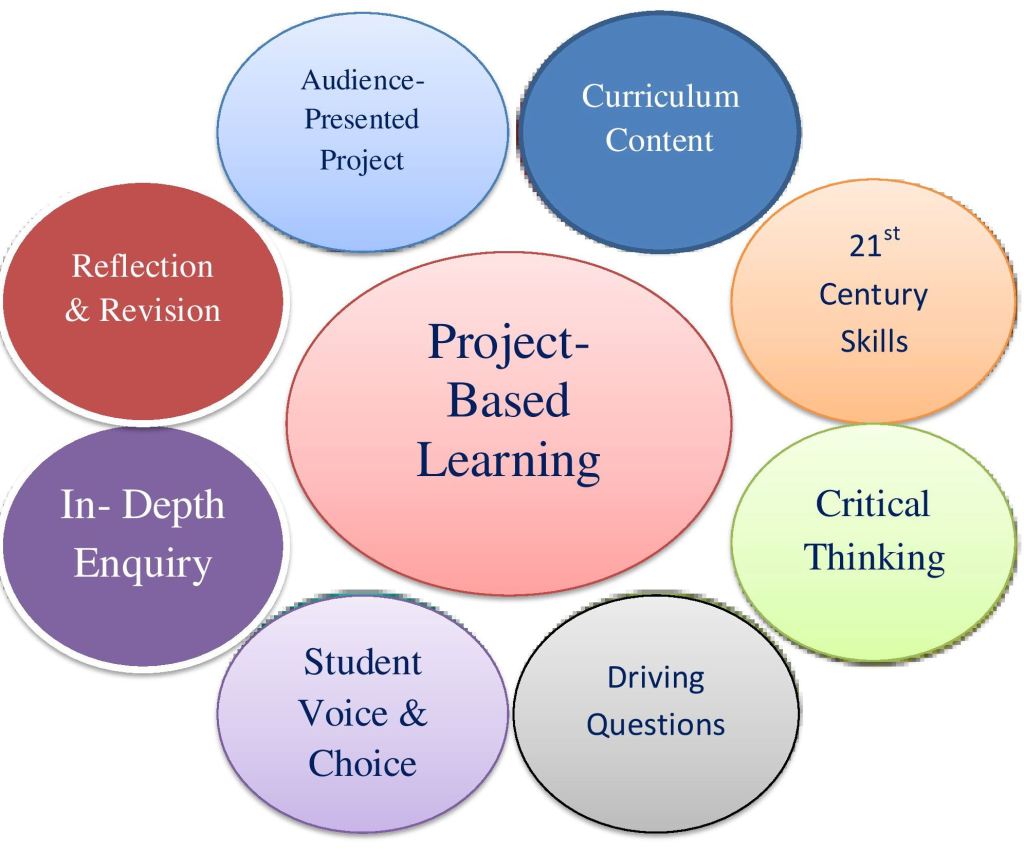
Project-based learning (PBL) is a teaching approach that has been gaining traction in recent years. This method emphasizes student-driven inquiry and hands-on projects to drive learning. Unlike traditional classroom instruction, where students are often passive receivers of information, PBL places students at the center of their own learning experiences. In PBL, students work on projects…
-
Flipped Classroom: Revolutionizing Education by Putting Students in Control
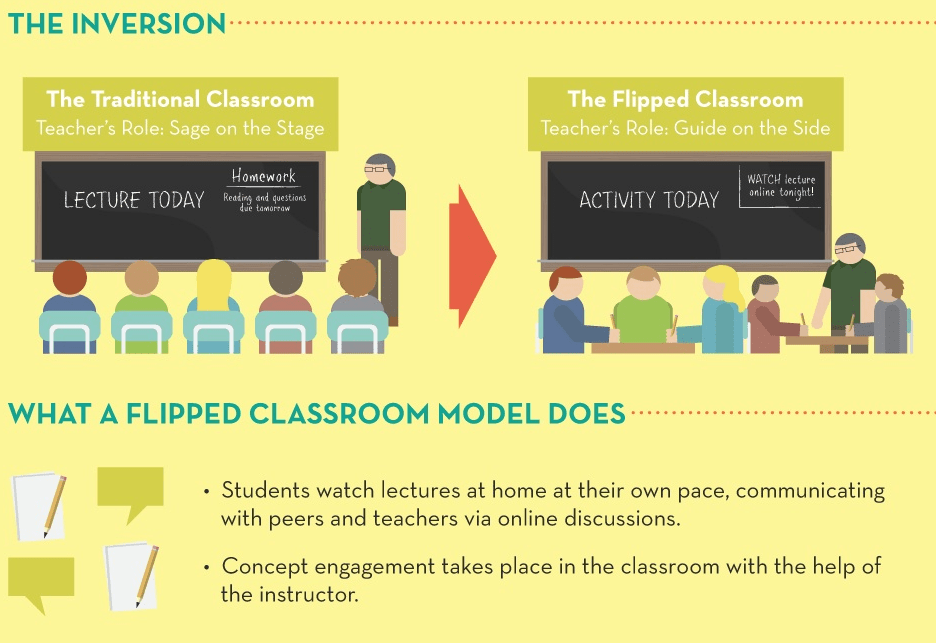
The traditional classroom model has always been a one-size-fits-all approach to education, with the teacher as the primary source of information and the students as passive recipients. However, this approach has its limitations in meeting every student’s individual needs and learning styles. Flipped Classroom is an innovative teaching method that reverses the roles of students…
-
Subscribe
Subscribed
Already have a WordPress.com account? Log in now.
 Alternative Amie