-
Navigating the Future: Transition Planning for Students with IEPs

Transition Planning for Students with IEPs Transition planning is a crucial component of Individualized Education Programs (IEPs) for students with disabilities. It involves preparing students for life after high school, including their post-secondary education, employment, and independent living goals. The purpose of transition planning is to ensure that students are equipped with the necessary skills…
-
“Problem-Based Learning: Empowering Students for Success in a Changing World”

In the realm of education, problem-based learning is a teaching approach that has gained popularity in recent years. It provides students with an active and engaging way to learn by focusing on real-world problems and challenges. Instead of passively receiving information from teachers, students are actively involved in solving problems through critical thinking, collaboration, and…
-
“Empowering the Next Generation: Environmental Sustainability Education Takes Center Stage in Alternative Schools”

Environmental sustainability education is gaining significant attention in alternative schooling and education systems. With the pressing need to address environmental issues such as climate change, pollution, deforestation, and depletion of natural resources, it has become essential to instill a sense of responsibility towards the environment in students from an early age. This form of education…
-
“Empowering Students Through Personalized Learning: The Cornerstone of Alternative Schooling”

Personalized learning plans have become a cornerstone of alternative schooling and education, allowing students to take ownership of their education journey. These plans are tailored to individual students’ needs, interests, and learning styles, ensuring that they receive instruction and support in the areas where they need it most. By personalizing the learning experience, educators can…
-
“Unlocking Language Fluency: Tips for Parents Supporting Language Immersion at Home”

Tips for Parents Supporting Language Immersion at Home Language immersion programs are becoming increasingly popular as parents recognize the benefits of their children learning a second language from an early age. These programs provide a rich and immersive environment where children can develop fluency and proficiency in another language. But what can parents do to…
-
“Unlocking Success: Building Connections in Early College for Academic and Professional Triumphs”

Building a network and connections in early college is an essential step towards success in both academic and professional pursuits. While academics remain crucial during this phase, establishing connections with peers, professors, and professionals can open up doors for internships, mentorships, job opportunities, and lifelong friendships. Here are some tips to help students make the…
-
“Unlocking Success: Differentiated Instruction in Alternative Education”
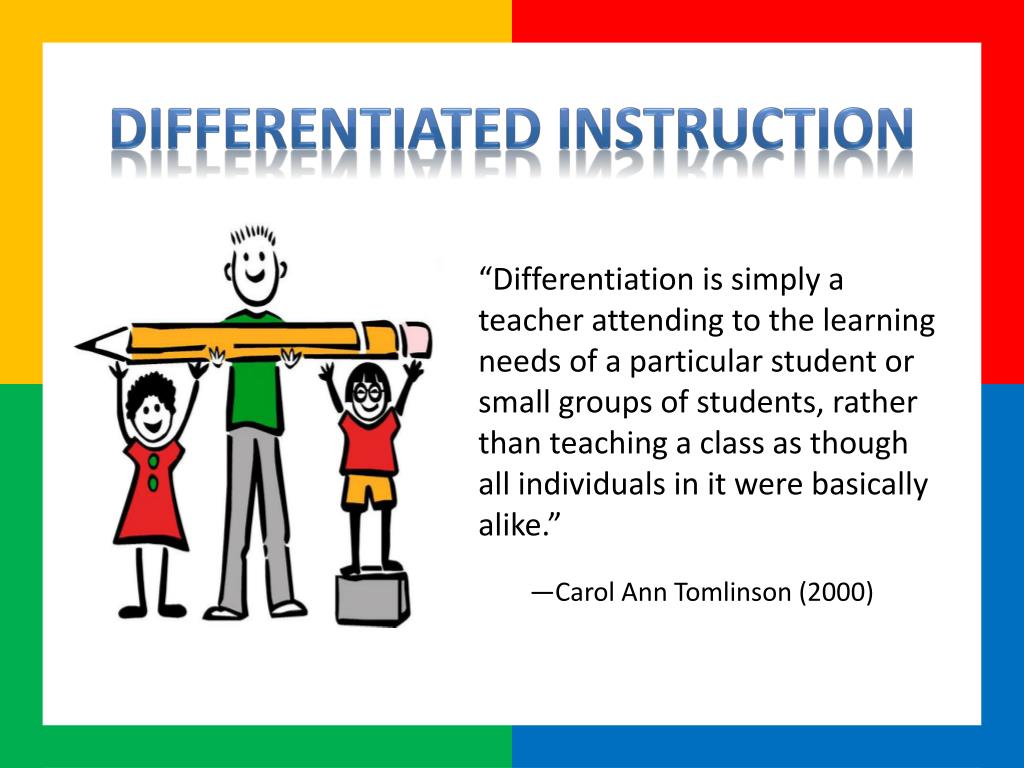
Differentiated Instruction: A Pathway to Success in Alternative Education In the realm of education, one size does not fit all. Every student possesses unique strengths, weaknesses, and learning styles that require a personalized approach to teaching and learning. This realization has led many educators to embrace differentiated instruction as an effective method for meeting the…
-
“Level Up Your Learning: The Power of Gamification in Online Education”
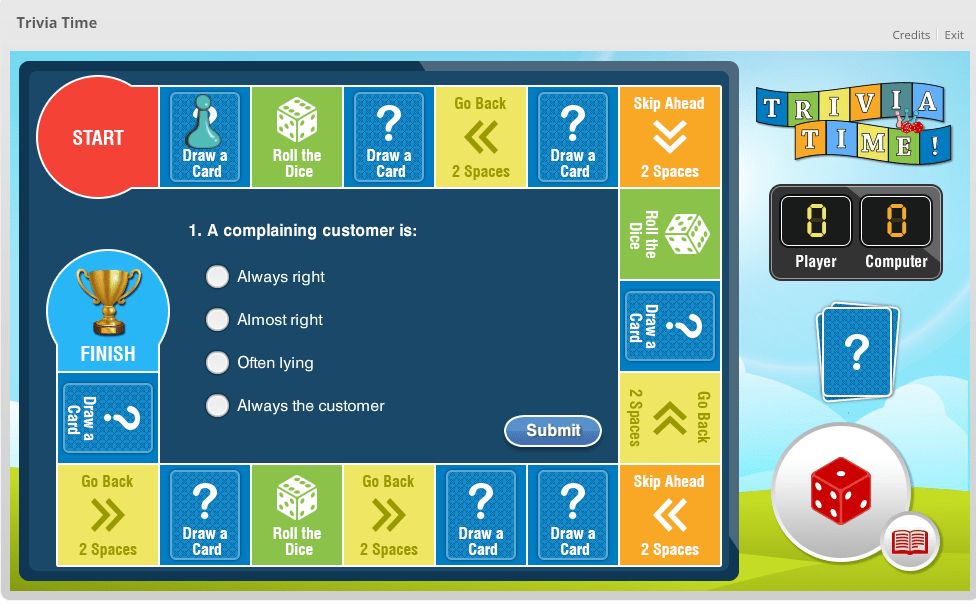
Gamification in Online Learning One of the most effective ways to engage students in online learning is through gamification. Gamification involves incorporating game elements and mechanics into educational activities, making them more interactive and enjoyable for learners. By adding elements such as points, badges, leaderboards, and levels, teachers can create a sense of competition and…
-
Revolutionizing Portfolio Assessment: Harnessing the Power of Technology

Using Technology in Portfolio Assessment In today’s digital age, technology has become an integral part of education. One area where technology is making a significant impact is portfolio assessment. Traditionally, portfolios were physical collections of student work that demonstrated their progress and achievements over time. However, with the advent of digital tools and platforms, portfolio…
-
Unschooling vs. Deschooling: Understanding the Differences
Unschooling vs. Deschooling: Understanding the Differences When it comes to alternative education methods, unschooling and deschooling are two terms that often come up. While they may sound similar, they have distinct meanings and approaches. In this article, we will explore the differences between unschooling and deschooling, shedding light on each philosophy’s unique characteristics. 1. Unschooling:…
-
Subscribe
Subscribed
Already have a WordPress.com account? Log in now.
 Alternative Amie