-
“Beyond the Classroom: Space Exploration Ignites Curiosity and Inspires Learning”

Space Exploration: Expanding Horizons Beyond the Classroom Introduction: In recent years, space exploration has captured the imagination of people around the world. From the breathtaking images of distant galaxies to groundbreaking discoveries about our own solar system, the wonders of outer space have become a source of inspiration for both young and old. For alternative…
-
Cooperative Assessment Strategies: Fostering Collaboration and Growth in Alternative Education
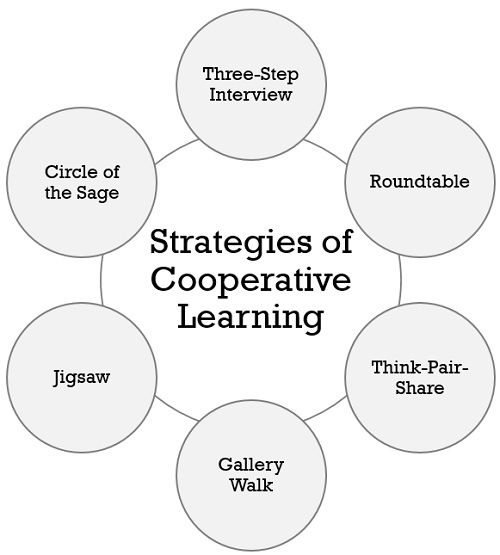
Cooperative Assessment Strategies: Fostering Collaboration and Growth in Alternative Education Introduction: In alternative schooling and education, the traditional approach to assessment often falls short. With its focus on individual achievement and competitiveness, it fails to capture the essence of cooperative learning environments that prioritize collaboration, teamwork, and collective growth. As a result, educators are increasingly…
-
Teaching Kids About Credit and Debt: Building Financial Foundations for Life
Teaching Kids About Credit and Debt: A Crucial Life Skill In today’s society, financial literacy is more important than ever. As parents and educators, it is our responsibility to prepare children for the real world by equipping them with the necessary skills to navigate their personal finances successfully. One crucial aspect of financial literacy that…
-
Mindfulness in the Classroom: Cultivating Emotional Well-being and Academic Success
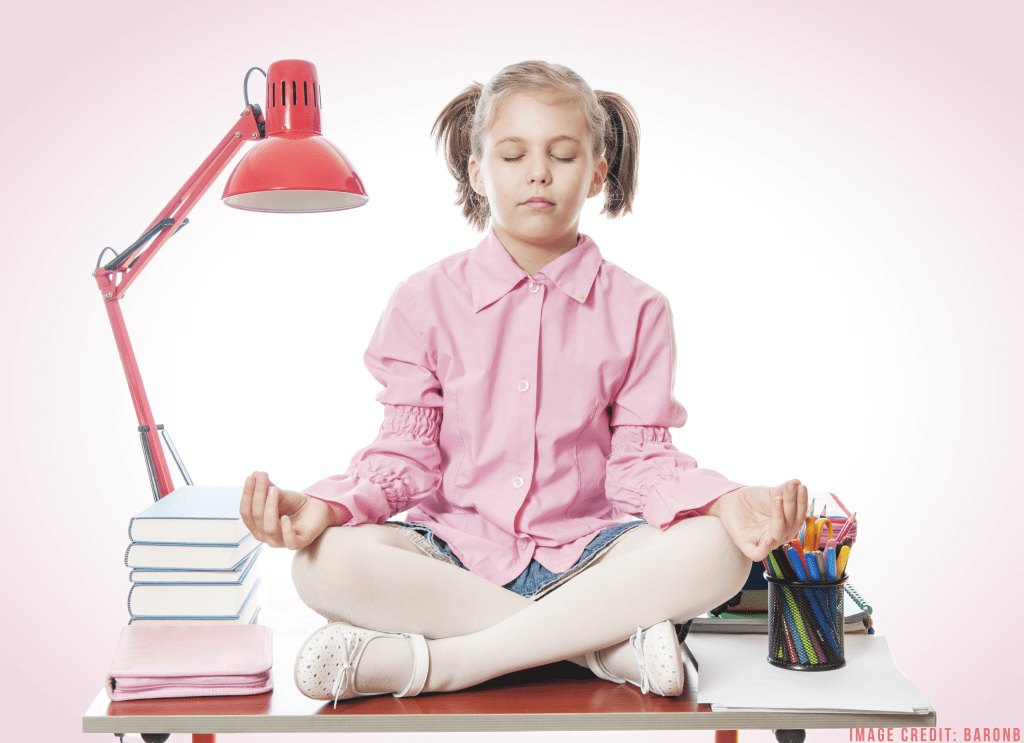
Mindfulness in the Classroom: Fostering Emotional Well-being and Academic Success In recent years, there has been a growing recognition of the importance of emotional well-being in education. As educators strive to create a positive and nurturing learning environment, they are increasingly turning to mindfulness practices as a means to achieve this goal. Mindfulness, derived from…
-
“Shelter Building and Survival Skills: Empowering Alternative Education for a Changing World”
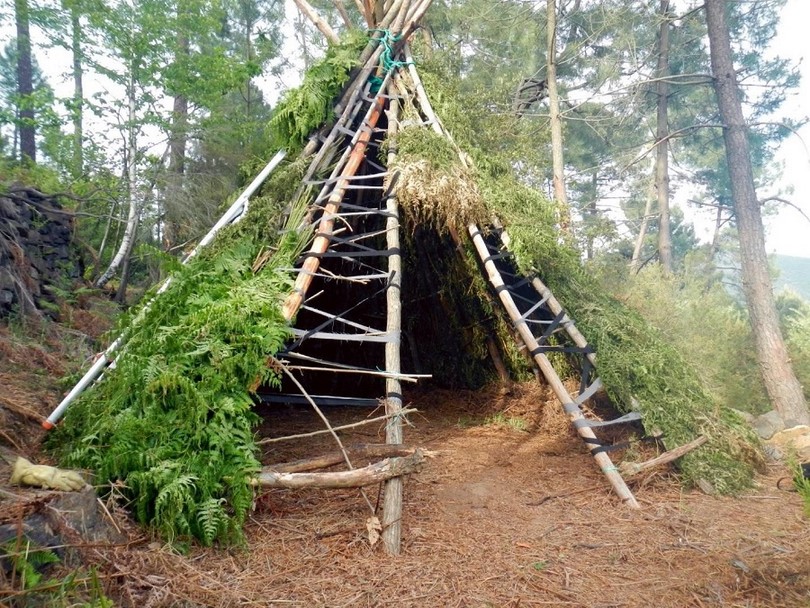
Shelter Building and Survival Skills: A Guide for Alternative Schooling and Education In today’s rapidly changing world, it is becoming increasingly important to learn essential survival skills. Whether you are interested in alternative schooling or simply want to be prepared for unexpected situations, understanding how to build a shelter can be a lifesaving skill. In…
-
Empowering Students: Alternative Education Fuels Independent Thinking and Problem-Solving

Independent Thinking and Problem-Solving: Empowering Students in Alternative Education Introduction: In traditional education systems, the emphasis is often placed on conformity and following a standardized curriculum. However, alternative schooling and education aim to break away from this mold by fostering independent thinking and problem-solving skills in students. By encouraging individuality, creativity, and critical thinking, alternative…
-
“Bilingual Education: Unlocking Opportunities and Embracing Diversity”
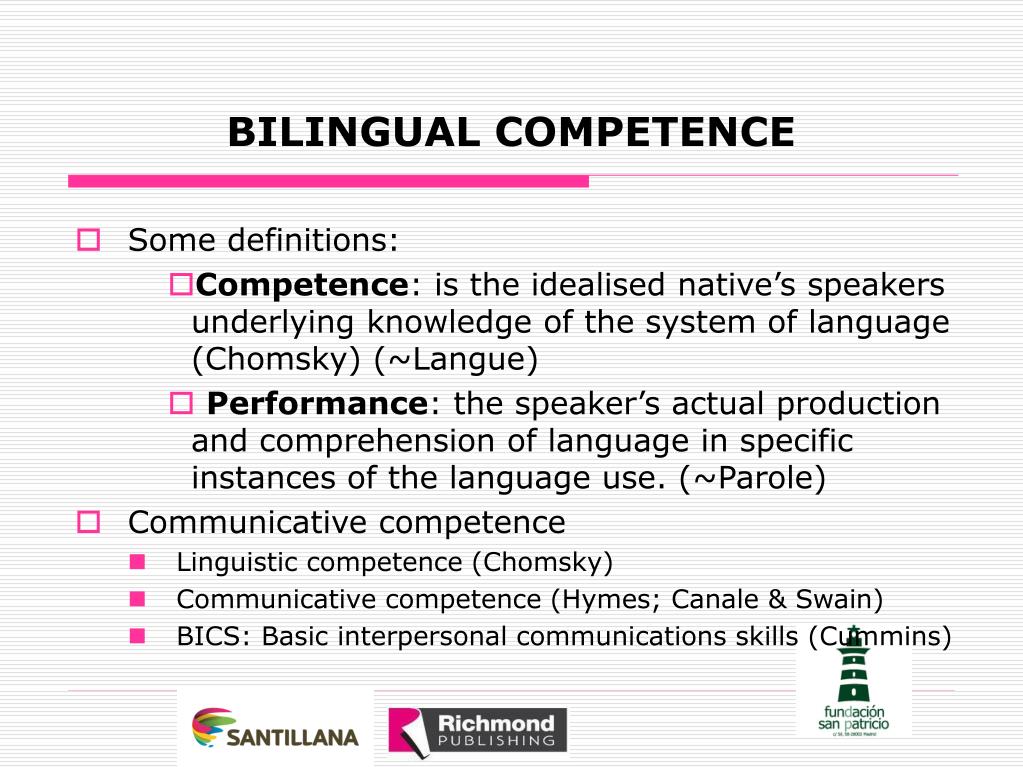
Bilingual Education: Unlocking Opportunities and Embracing Diversity Introduction: In an increasingly interconnected world, the ability to communicate in multiple languages has become a valuable skill. Bilingual education refers to a teaching approach that provides instruction in two languages, typically the student’s native language and a second language. This method not only promotes academic achievement but…
-
15 Benefits of Remote Teaching and Learning: A Flexible and Personalized Approach to Education
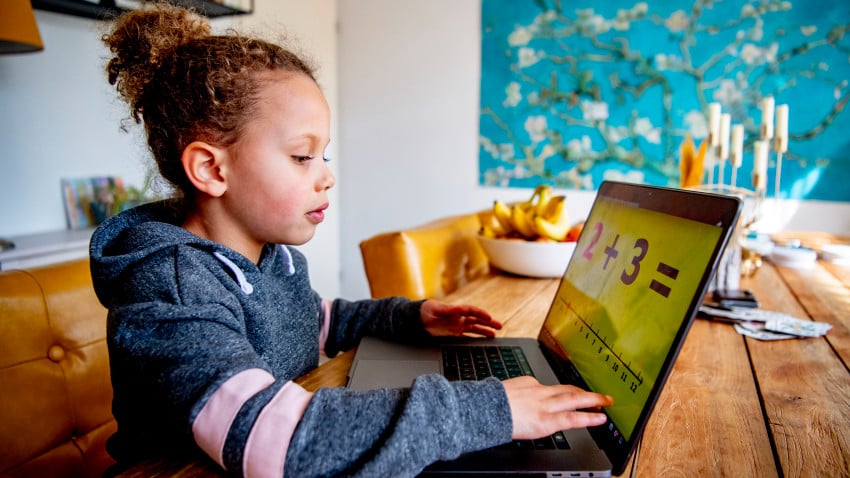
Remote teaching and learning has become increasingly popular in recent years, offering a flexible and accessible alternative to traditional classroom settings. With the advent of technology, educators are now able to reach students from all corners of the world, while students can enjoy a personalized learning experience tailored to their individual needs. Here are 15…
-
“Problem-Based Learning: Empowering Students for Success in the Real World”

Problem-based learning (PBL) is an innovative educational approach that encourages students to actively engage in solving real-world problems. Unlike traditional teaching methods that focus on memorization and regurgitation of information, PBL promotes critical thinking, problem-solving skills, and collaboration among students. In a PBL classroom, the traditional role of the teacher as a disseminator of knowledge…
-
“Formative Assessment: The Key to Unlocking Student Success in Education”
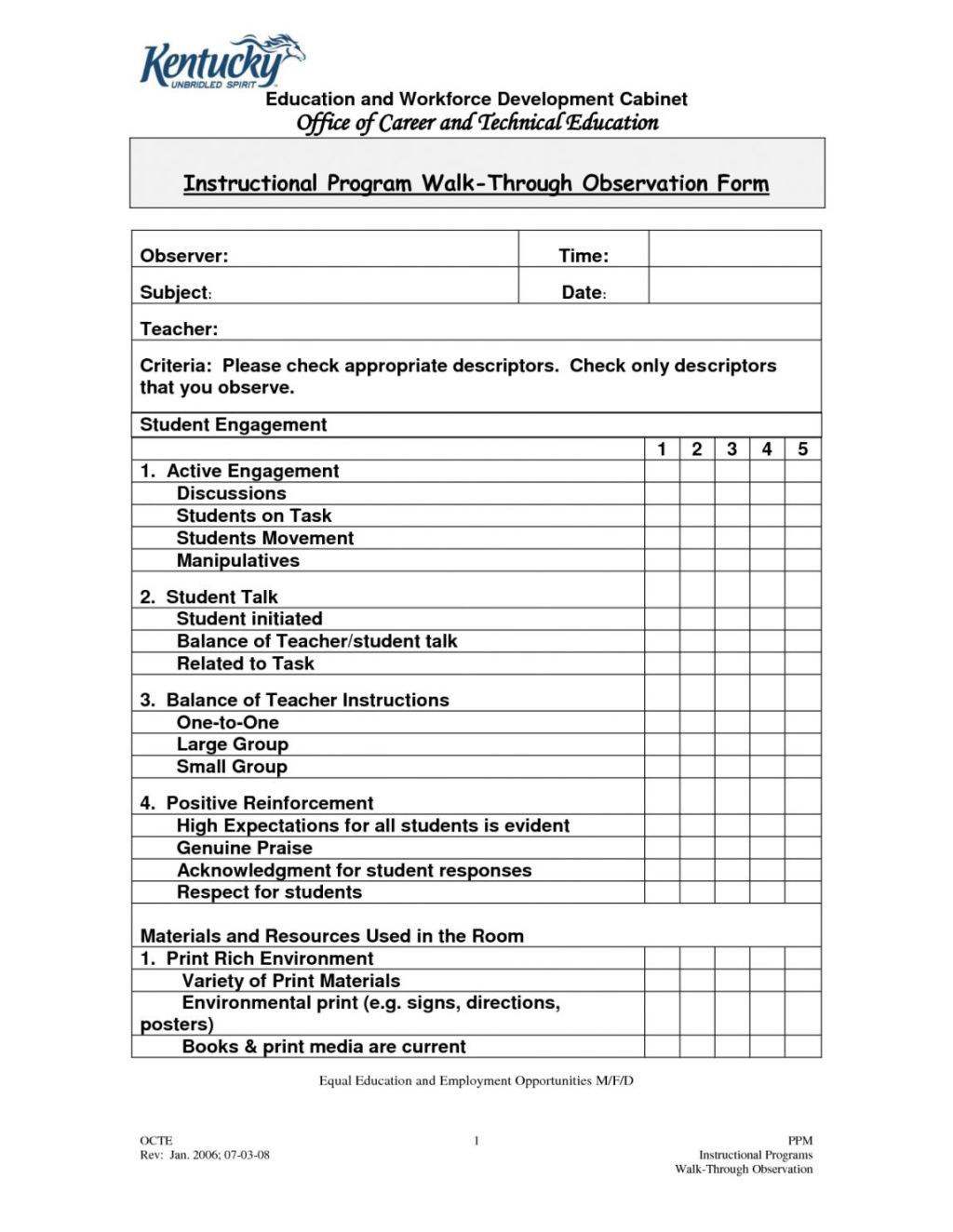
Formative assessment is a crucial tool in the field of education that allows teachers to gather meaningful feedback on their students’ learning progress. Unlike summative assessments, which are typically conducted at the end of a unit or course to evaluate student achievement, formative assessments are ongoing and designed to provide real-time information that can inform…
-
Subscribe
Subscribed
Already have a WordPress.com account? Log in now.
 Alternative Amie